THE ADVENTURE COLLECTIVE® · Independent discovery and booking for outdoor travel

Walk Old Louisville after dark on a guided 100-minute tour that pairs Gilded Age architecture with first‑hand ghost stories. Expect historic mansions, Olmsted parkland, and a narrative guide who blends neighborhood history with spooky local lore.
Walk Old Louisville after dark on a guided 100-minute tour that pairs Gilded Age architecture with first‑hand ghost stories. Expect historic mansions, Olmsted parkland, and a narrative guide who blends neighborhood history with spooky local lore.
A cold evening presses against the gas lamps as you gather at the brown Filson Historical Society sign on South Fourth and Ormsby. The streetlights throw long shadows across brick sidewalks while a guide—often David Dominé himself—begins to stitch neighborhood gossip into first-person encounters. Footsteps echo past limestone facades; a carved wooden door seems to watch.
Verified experiences and guided adventures in the surrounding area.
Operated by Louisville Historic Tours · Louisville, Kentucky
A cold evening presses against the gas lamps as you gather at the brown Filson Historical Society sign on South Fourth and Ormsby. The streetlights throw long shadows across brick sidewalks while a guide—often David Dominé himself—begins to stitch neighborhood gossip into first-person encounters. Footsteps echo past limestone facades; a carved wooden door seems to watch.
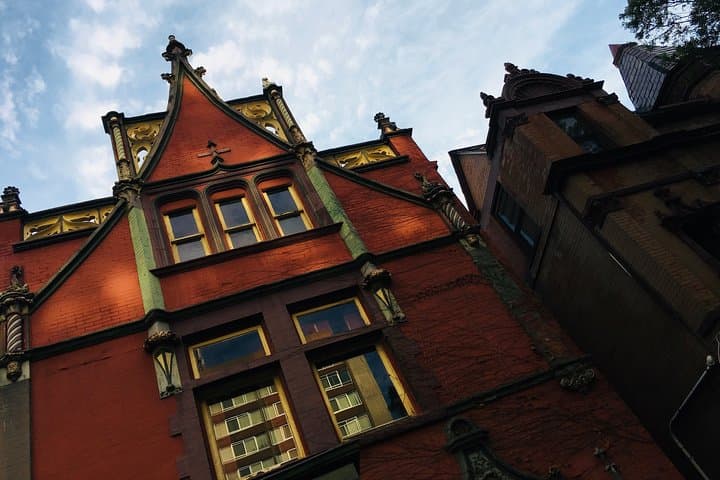
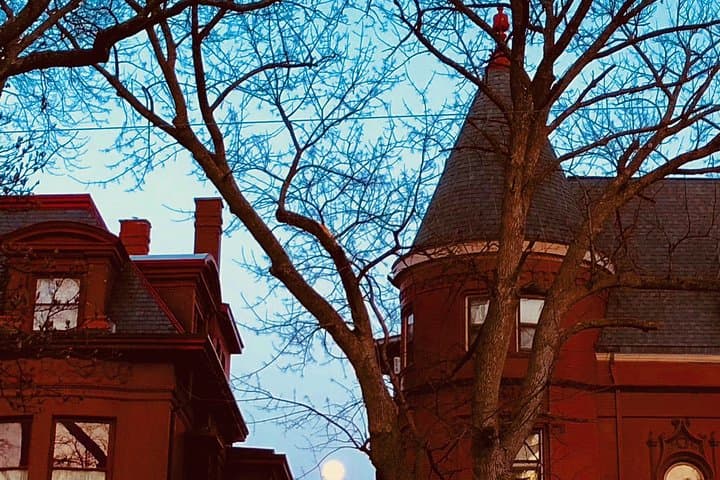
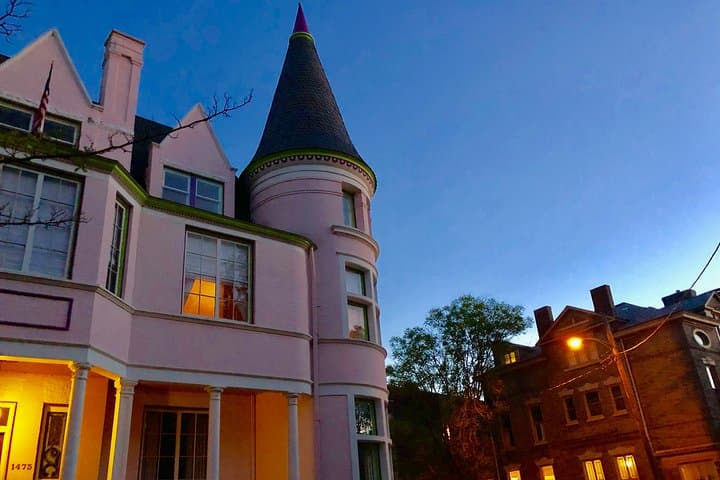
Old Louisville grew rapidly in the late 19th century when bourbon, rail and tobacco money built the city’s largest Victorian district. Olmsted-designed Central Park and the surrounding St. James Court showcase Richardsonian Romanesque and Queen Anne silhouettes—stone massing, turrets, and ornate trim that fuel many of the area’s ghost stories. The neighborhood’s transition over the last century—economic highs, funeral-home conversions, and preservation efforts—shapes both its architecture and its narratives.
Expect a paced, narrated walk of roughly 100 minutes across about 40 city blocks, with short stops at Conrad’s Castle, Central Park, and the neighborhood’s twisted charm tree. The night magnifies creaks and breathes life into local lore; you’ll hear names, dates and the human history that birthed the rumors.
Practical guide: meet outside the Filson sign at the stated corner, wear sturdy shoes, and plan for 90–100 minutes without a bathroom break. Tours run March–November most days with limited off-season dates. Respect residents—this is an active neighborhood—keep to sidewalks and minimize flash photography. If you seek architecture, spooky anecdotes, and an authoritative local voice, this is one of Louisville’s most direct ways to read the city after dark.
moderate.
1.5–1.75 hours.
You should be able to walk continuously for about 100 minutes at an easy-to-moderate pace on city sidewalks.
Meet outside at the brown "Filson Historical Society" sign on the southwest corner of South Fourth Street and West Ormsby Avenue; use 1300 S Fourth St as a reference but do not enter the building.
Yes—the operator lists the route as wheelchair accessible, though participants should expect standard city sidewalks and some curb transitions.
Infants in strollers are welcome, but the tour is not recommended for very young children who cannot stay still for about 90–100 minutes.
All sales are final; there are no refunds for cancellations and tours may be canceled in bad weather.
Old Louisville is one of the largest contiguous Victorian districts in the U.S., developed during the late 1800s by bourbon and tobacco wealth and shaped by Olmsted-designed parkland.
Tours ask visitors to respect the living neighborhood: stay on sidewalks, avoid litter, and support local preservation efforts by following posted rules and leaving historic properties undisturbed.
Louisville Historic Tours operates guided outdoor trips and adventures with an emphasis on safety, stewardship, and memorable experiences.
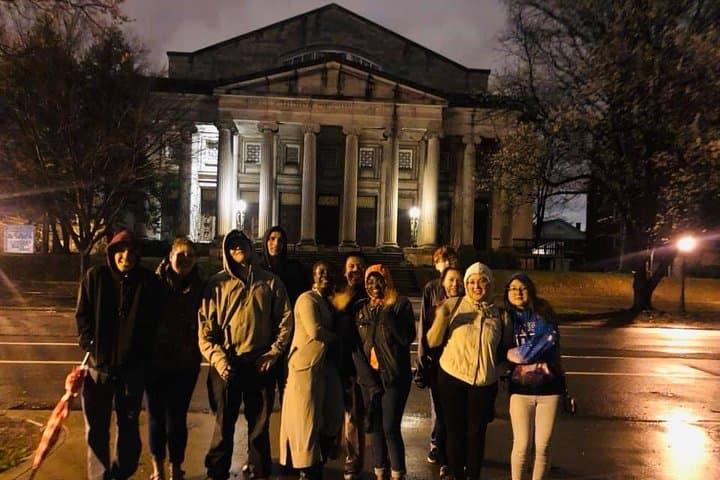
A cold evening presses against the gas lamps as you gather at the brown Filson Historical Society sign on South Fourth and Ormsby. The streetlights throw long shadows across brick sidewalks while a guide—often David Dominé himself—begins to stitch neighborhood gossip into first-person encounters. Footsteps echo past limestone facades; a carved wooden door seems to watch.
A cold evening presses against the gas lamps as you gather at the brown Filson Historical Society sign on South Fourth and Ormsby. The streetlights throw long shadows across brick sidewalks while a guide—often David Dominé himself—begins to stitch neighborhood gossip into first-person encounters. Footsteps echo past limestone facades; a carved wooden door seems to watch.
Old Louisville grew rapidly in the late 19th century when bourbon, rail and tobacco money built the city’s largest Victorian district. Olmsted-designed Central Park and the surrounding St. James Court showcase Richardsonian Romanesque and Queen Anne silhouettes—stone massing, turrets, and ornate trim that fuel many of the area’s ghost stories. The neighborhood’s transition over the last century—economic highs, funeral-home conversions, and preservation efforts—shapes both its architecture and its narratives.
Expect a paced, narrated walk of roughly 100 minutes across about 40 city blocks, with short stops at Conrad’s Castle, Central Park, and the neighborhood’s twisted charm tree. The night magnifies creaks and breathes life into local lore; you’ll hear names, dates and the human history that birthed the rumors.
Practical guide: meet outside the Filson sign at the stated corner, wear sturdy shoes, and plan for 90–100 minutes without a bathroom break. Tours run March–November most days with limited off-season dates. Respect residents—this is an active neighborhood—keep to sidewalks and minimize flash photography. If you seek architecture, spooky anecdotes, and an authoritative local voice, this is one of Louisville’s most direct ways to read the city after dark.