THE ADVENTURE COLLECTIVE® · Independent discovery and booking for outdoor travel

Walk Alfama’s narrow streets, taste a pastéis de nata, and take home a Polaroid from a local guide who knows Lisbon’s hidden corners. This 2–3 hour private tour blends history, viewpoints, and practical tips for exploring the city on foot.
Walk Alfama’s narrow streets, taste a pastéis de nata, and take home a Polaroid from a local guide who knows Lisbon’s hidden corners. This 2–3 hour private tour blends history, viewpoints, and practical tips for exploring the city on foot.
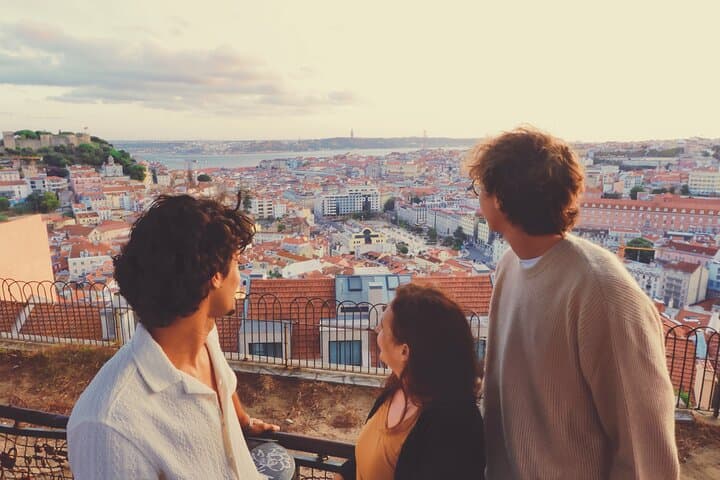
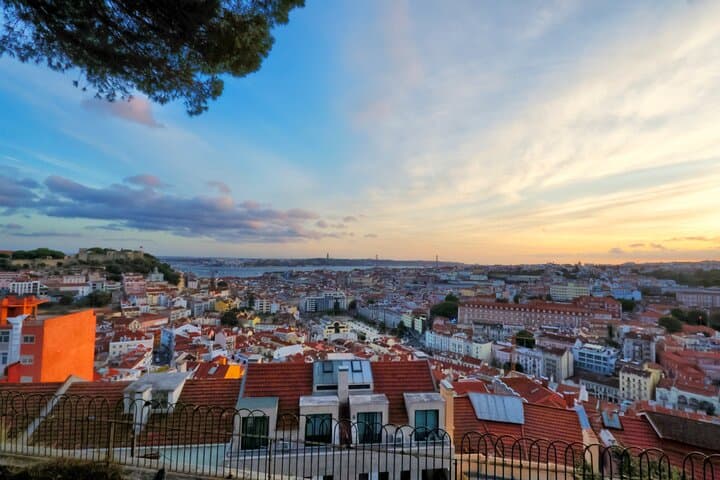
Morning light splits over the Tagus and the city awakens in a chorus of tram bells and market calls. On this guided walk through Old Lisbon, visitors push through narrow, stone-lined alleys where laundry swings like flags and the river dares you to follow its light toward the horizon.
Verified experiences and guided adventures in the surrounding area.
Operated by ACARAVELA · Lisbon, Lisbon
Morning light splits over the Tagus and the city awakens in a chorus of tram bells and market calls. On this guided walk through Old Lisbon, visitors push through narrow, stone-lined alleys where laundry swings like flags and the river dares you to follow its light toward the horizon.
The route threads Alfama’s medieval lanes, past Baroque churches and the imposing Pantheon. Guides pause at viewpoints to explain how the 1755 earthquake and tsunami reshaped Lisbon’s architecture and civic life, and how Moorish street patterns survived reconquest and reconstruction. You’ll taste a pastel de nata in a bakery the locals choose and receive an instant Polaroid—an analogue keepsake of a digital city.
Culture here is tactile: azulejo panels that map social history, a nearly 300-year-old church organ, and a quiet fado house that opens only for those who ask. The tour’s practical rhythm alternates short walks with seated stops in shaded squares and an air‑conditioned vehicle between distant viewpoints, making it accessible for many fitness levels.
Plan for cobbled streets and steep stair runs; bring layered clothing for coastal breezes. Best times are early morning or late afternoon for softer light and thinner crowds. Keep small change for neighborhood cafes and tip guides who share insider routes. The Old Lisbon tour offers both city history and usable local intelligence—measured, human, and immediately useful to your stay in Portugal’s capital.
easy.
2–3 hours.
Light walking is required, including short climbs and standing; suitable for most fitness levels.
Yes—pace is gentle with frequent stops, though participants should be comfortable walking short distances and navigating cobbled steps.
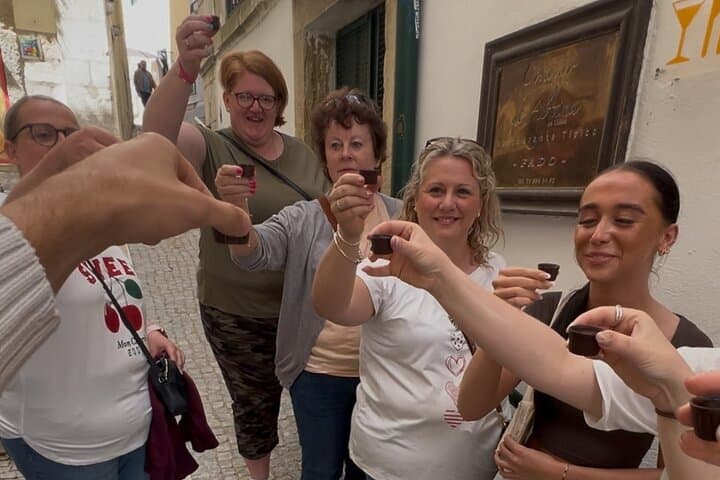
The tour includes pastries and a specialty drink at a stop; separate admission fees to certain monuments may not be included—check with the provider.
Yes—this private tour allows adjustments to stops and timing; communicate preferences at booking or with your guide.
Popular time slots fill quickly, especially at sunrise or sunset; book several days ahead when traveling in high season.
Lisbon was dramatically reshaped by the 1755 earthquake and tsunami; Alfama’s winding streets preserve medieval and Moorish urban patterns that predate the modern rebuilt Baixa district.
Support small, local businesses and avoid single-use plastics; stick to streets and viewpoints to prevent erosion of fragile historic surfaces.
ACARAVELA operates guided outdoor trips and adventures with an emphasis on safety, stewardship, and memorable experiences.

Morning light splits over the Tagus and the city awakens in a chorus of tram bells and market calls. On this guided walk through Old Lisbon, visitors push through narrow, stone-lined alleys where laundry swings like flags and the river dares you to follow its light toward the horizon.
Morning light splits over the Tagus and the city awakens in a chorus of tram bells and market calls. On this guided walk through Old Lisbon, visitors push through narrow, stone-lined alleys where laundry swings like flags and the river dares you to follow its light toward the horizon.
The route threads Alfama’s medieval lanes, past Baroque churches and the imposing Pantheon. Guides pause at viewpoints to explain how the 1755 earthquake and tsunami reshaped Lisbon’s architecture and civic life, and how Moorish street patterns survived reconquest and reconstruction. You’ll taste a pastel de nata in a bakery the locals choose and receive an instant Polaroid—an analogue keepsake of a digital city.
Culture here is tactile: azulejo panels that map social history, a nearly 300-year-old church organ, and a quiet fado house that opens only for those who ask. The tour’s practical rhythm alternates short walks with seated stops in shaded squares and an air‑conditioned vehicle between distant viewpoints, making it accessible for many fitness levels.
Plan for cobbled streets and steep stair runs; bring layered clothing for coastal breezes. Best times are early morning or late afternoon for softer light and thinner crowds. Keep small change for neighborhood cafes and tip guides who share insider routes. The Old Lisbon tour offers both city history and usable local intelligence—measured, human, and immediately useful to your stay in Portugal’s capital.