THE ADVENTURE COLLECTIVE® · Independent discovery and booking for outdoor travel

Spend a focused 2.5 hours investigating St. Augustine’s Old Jail with expert guides and ghost-hunting gear. This evidence-driven after-dark tour blends local history and hands-on techniques to help you separate natural explanations from strange phenomena.
Spend a focused 2.5 hours investigating St. Augustine’s Old Jail with expert guides and ghost-hunting gear. This evidence-driven after-dark tour blends local history and hands-on techniques to help you separate natural explanations from strange phenomena.
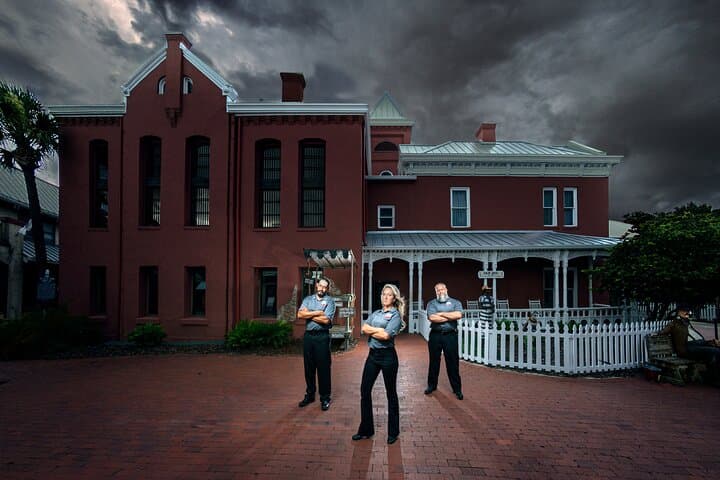
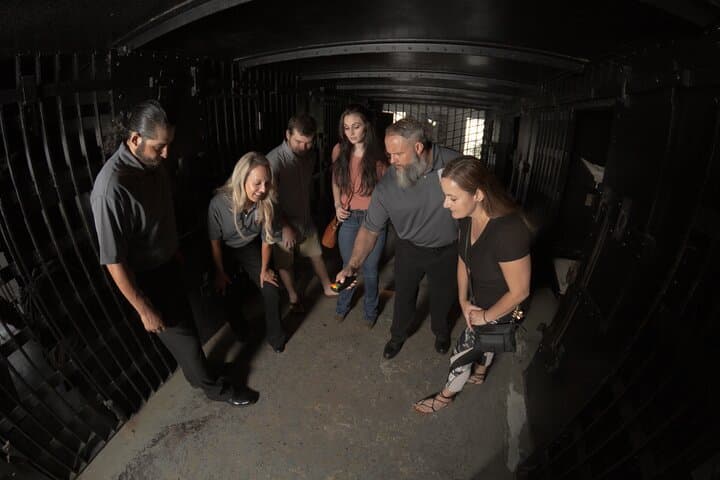
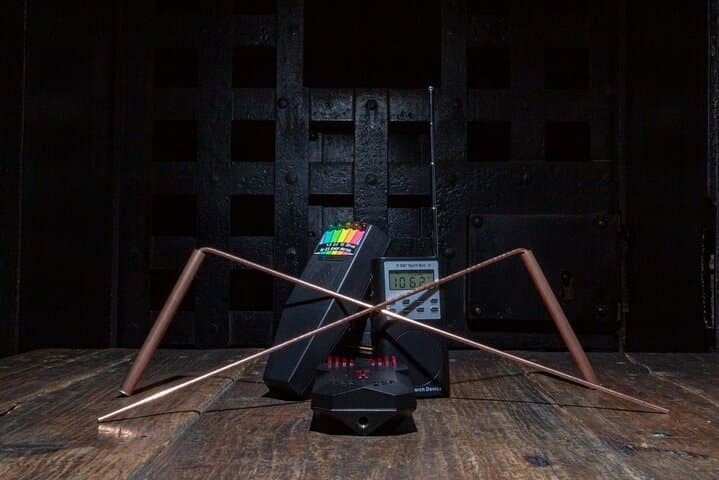
A drizzle glosses the brick and iron outside the Old Jail as a small group gathers at the heavy front gate. Inside, fluorescent bulbs hum and the building’s cool air presses close; footsteps echo along concrete floors while guides pass out EMF meters and voice recorders. The next two and a half hours are a careful, methodical sweep through cells, corridors, and the second-floor landing where stories of former inmates and uneasy nights collect.
Verified experiences and guided adventures in the surrounding area.
Operated by Historic Tours Of America · St. Augustine, Florida
A drizzle glosses the brick and iron outside the Old Jail as a small group gathers at the heavy front gate. Inside, fluorescent bulbs hum and the building’s cool air presses close; footsteps echo along concrete floors while guides pass out EMF meters and voice recorders. The next two and a half hours are a careful, methodical sweep through cells, corridors, and the second-floor landing where stories of former inmates and uneasy nights collect.
The Old Jail is a late 19th- to early-20th-century detention complex built during St. Augustine’s period of growth; its thick masonry, narrow cellblocks and ironwork tell a practical story of municipal order and punishment. The building sits within the city’s colonial grid — a place where layered histories of Spanish, British and American governance meet the Atlantic’s salt air. That mix gives the tour texture: guides weave documented incidents with local lore, and the building’s architecture helps explain why sounds carry and shadows move unsettled.
Expect a technique-first investigation: trained staff demonstrate forensic tools, then invite participants to test hypotheses, rule out natural causes and record anomalies. The second floor requires stair access and is described as moderately strenuous; wheelchair users can access main-level exhibits. Bring a charged phone for audio or flashlight use, dress in layers for fluctuating indoor temperatures, and plan to arrive early to check equipment and briefings.
Whether you leave convinced or skeptical, the experience is organized, evidence-minded and rooted in place — an interactive look at how a historic civic building becomes the stage for modern curiosity and debate.
easy.
2–3 hours.
Suitable for most fitness levels; participants must manage a flight of stairs to access the second floor.
The experience runs about 150 minutes (2.5 hours) including briefing, active investigation and a debrief where guides review findings.
Participants must be at least 13 years old; the content and setting are intended for teens and adults.
Main-level areas are wheelchair accessible, but the second floor is accessible only by stairs and is considered moderately strenuous.
Yes — the tour allows personal equipment in addition to the provided tools; staff will brief you on safe and allowed uses.
The Old Jail dates to St. Augustine’s late 19th–early 20th-century civic expansion and operated as a municipal detention facility before becoming a museum and interpretive site.
Tours emphasize preservation — participants are asked not to touch historic fabric and to follow guide instructions to protect fragile materials and artifacts.
Historic Tours Of America operates guided outdoor trips and adventures with an emphasis on safety, stewardship, and memorable experiences.

A drizzle glosses the brick and iron outside the Old Jail as a small group gathers at the heavy front gate. Inside, fluorescent bulbs hum and the building’s cool air presses close; footsteps echo along concrete floors while guides pass out EMF meters and voice recorders. The next two and a half hours are a careful, methodical sweep through cells, corridors, and the second-floor landing where stories of former inmates and uneasy nights collect.
A drizzle glosses the brick and iron outside the Old Jail as a small group gathers at the heavy front gate. Inside, fluorescent bulbs hum and the building’s cool air presses close; footsteps echo along concrete floors while guides pass out EMF meters and voice recorders. The next two and a half hours are a careful, methodical sweep through cells, corridors, and the second-floor landing where stories of former inmates and uneasy nights collect.
The Old Jail is a late 19th- to early-20th-century detention complex built during St. Augustine’s period of growth; its thick masonry, narrow cellblocks and ironwork tell a practical story of municipal order and punishment. The building sits within the city’s colonial grid — a place where layered histories of Spanish, British and American governance meet the Atlantic’s salt air. That mix gives the tour texture: guides weave documented incidents with local lore, and the building’s architecture helps explain why sounds carry and shadows move unsettled.
Expect a technique-first investigation: trained staff demonstrate forensic tools, then invite participants to test hypotheses, rule out natural causes and record anomalies. The second floor requires stair access and is described as moderately strenuous; wheelchair users can access main-level exhibits. Bring a charged phone for audio or flashlight use, dress in layers for fluctuating indoor temperatures, and plan to arrive early to check equipment and briefings.
Whether you leave convinced or skeptical, the experience is organized, evidence-minded and rooted in place — an interactive look at how a historic civic building becomes the stage for modern curiosity and debate.