THE ADVENTURE COLLECTIVE® · Independent discovery and booking for outdoor travel

Explore Old Goa’s imposing churches, a 400-year-old temple and a working spice plantation on a half-day private tour topped with a traditional Goan lunch. This route blends architectural history with living agricultural landscapes and local flavors.
Explore Old Goa’s imposing churches, a 400-year-old temple and a working spice plantation on a half-day private tour topped with a traditional Goan lunch. This route blends architectural history with living agricultural landscapes and local flavors.
You arrive in Old Goa with sunlight tilting across Baroque facades and a town that keeps its history within stone and shadow.
Verified experiences and guided adventures in the surrounding area.
Operated by Discover Activities · Old Goa, Goa
You arrive in Old Goa with sunlight tilting across Baroque facades and a town that keeps its history within stone and shadow.
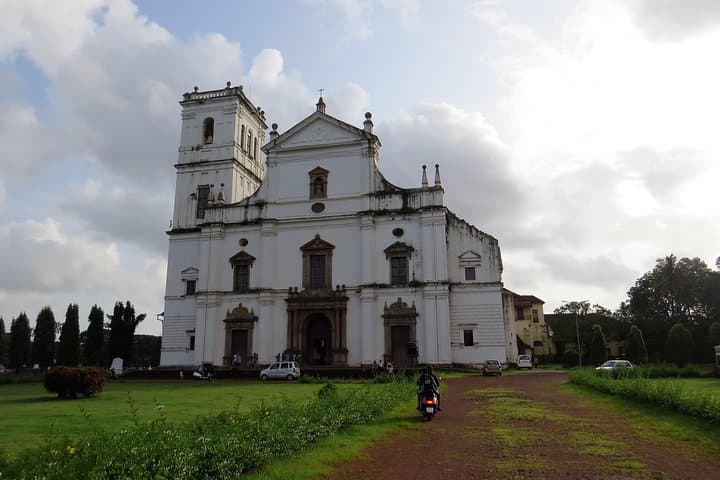
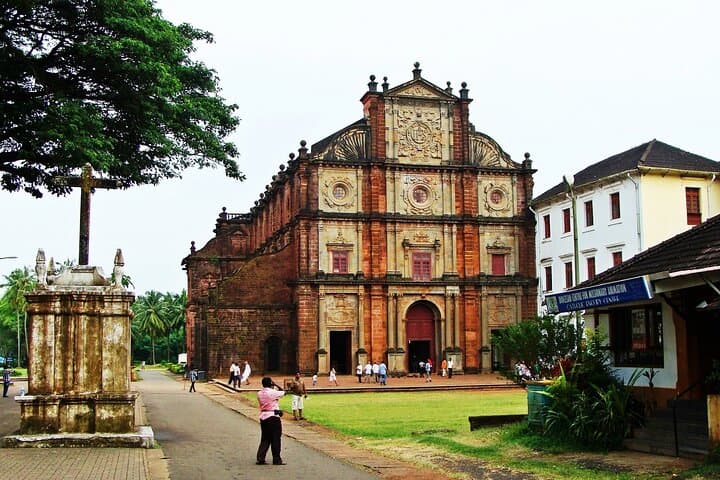
Walk through plazas where Portuguese stonework meets Hindu shrines; bells and temple lamps mark a city that changed hands but kept its rhythm. The Se Cathedral and the UNESCO-listed Basilica of Bom Jesus present carved altars, gilded woodwork and cool interiors that still hold incense and whispered stories of 17th-century seafaring missions.
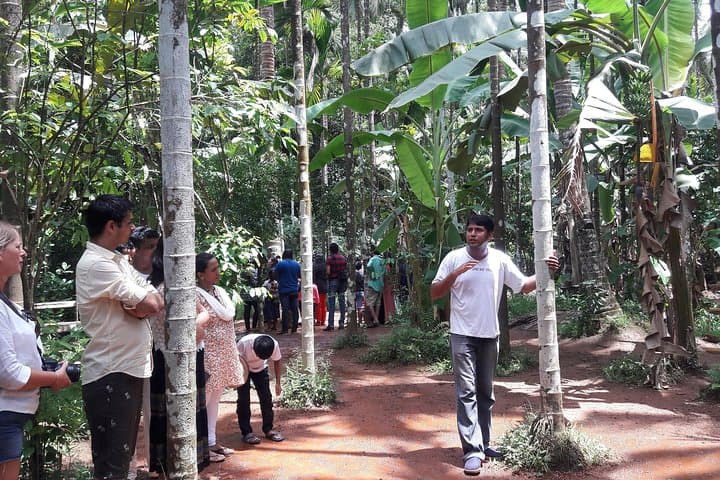
Beyond the churches, the landscape shifts: a narrow road threads into a working spice plantation where areca palms and spice bushes crowd the lane and a shallow stream dares you to slow down. Soil here is lateritic; the humid coastal climate feeds pepper, cardamom and cloves, and the plantation’s microhabitats attract sunbirds and lizards.
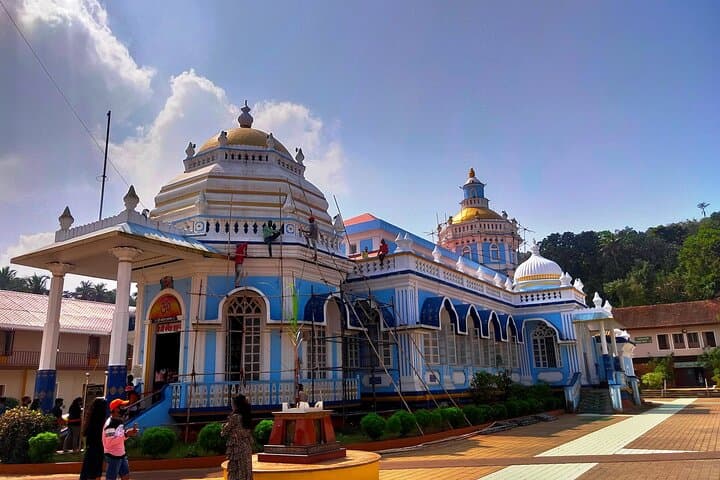
Culturally, this is Goa’s layered identity—Portuguese colonial architecture interwoven with preserved Hindu temples such as Mangeshi, where a seven-story lamp tower punctuates ritual life.
Practical guidance: the full loop takes about 5–6 hours with hotel pickup; comfortable shoes and modest clothing are required for temple visits. Expect short, guided walks on uneven ground and a family-style Goan lunch at the plantation (seafood options common). Carry water, sunscreen and insect repellent; mobile reception is generally reliable but bring some cash for small purchases. If you’re arriving by cruise, note shore transport restrictions. Visit in the morning to avoid afternoon heat and to hear church bells and temple lamps at their liveliest.
easy.
5–6 hours.
Suitable for most fitness levels; requires short periods of walking and standing, and basic mobility for uneven ground.
Most major churches and the Mangeshi Temple do not charge entry fees; if a specific attraction requires a fee it will be noted in advance or handled locally.
No; passengers arriving by cruise cannot book this tour due to port authority transport arrangements.
Lunch is typically a fixed menu with seafood and meat options; contact the operator ahead of time to request vegetarian or allergy accommodations.
Yes—private car pickup from hotels in nearby towns like Panaji is generally included; confirm your exact pickup point when booking.
Old Goa served as the Portuguese colonial capital from the 16th to 18th centuries; many churches date to the early 1600s and reflect Iberian Baroque influence adapted to coastal India.
Plantation visits support small-scale agricultural enterprises; visitors are encouraged to avoid single-use plastics and follow marked paths to protect undergrowth and watercourses.
Discover Activities operates guided outdoor trips and adventures with an emphasis on safety, stewardship, and memorable experiences.
You arrive in Old Goa with sunlight tilting across Baroque facades and a town that keeps its history within stone and shadow.
You arrive in Old Goa with sunlight tilting across Baroque facades and a town that keeps its history within stone and shadow.
Walk through plazas where Portuguese stonework meets Hindu shrines; bells and temple lamps mark a city that changed hands but kept its rhythm. The Se Cathedral and the UNESCO-listed Basilica of Bom Jesus present carved altars, gilded woodwork and cool interiors that still hold incense and whispered stories of 17th-century seafaring missions.
Beyond the churches, the landscape shifts: a narrow road threads into a working spice plantation where areca palms and spice bushes crowd the lane and a shallow stream dares you to slow down. Soil here is lateritic; the humid coastal climate feeds pepper, cardamom and cloves, and the plantation’s microhabitats attract sunbirds and lizards.
Culturally, this is Goa’s layered identity—Portuguese colonial architecture interwoven with preserved Hindu temples such as Mangeshi, where a seven-story lamp tower punctuates ritual life.
Practical guidance: the full loop takes about 5–6 hours with hotel pickup; comfortable shoes and modest clothing are required for temple visits. Expect short, guided walks on uneven ground and a family-style Goan lunch at the plantation (seafood options common). Carry water, sunscreen and insect repellent; mobile reception is generally reliable but bring some cash for small purchases. If you’re arriving by cruise, note shore transport restrictions. Visit in the morning to avoid afternoon heat and to hear church bells and temple lamps at their liveliest.