THE ADVENTURE COLLECTIVE® · Independent discovery and booking for outdoor travel

Explore the lanes and waterfront of Old Dubai on a relaxed, 2 hour 45 minute walking tour that includes an abra ride and visits to textile, spice and gold souks. A licensed local guide provides historical and cultural context, plus a camel milk tea or coffee to round out the experience.
Explore the lanes and waterfront of Old Dubai on a relaxed, 2 hour 45 minute walking tour that includes an abra ride and visits to textile, spice and gold souks. A licensed local guide provides historical and cultural context, plus a camel milk tea or coffee to round out the experience.
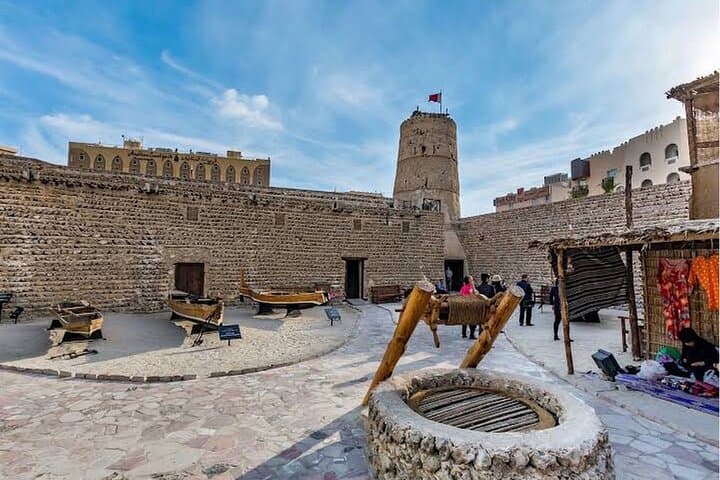
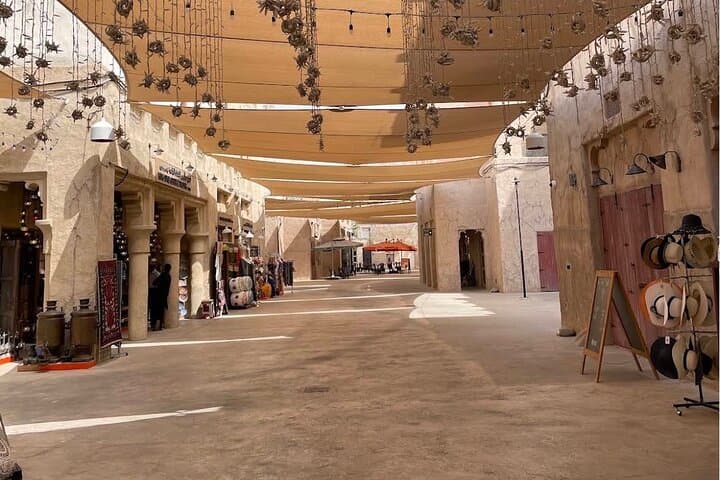
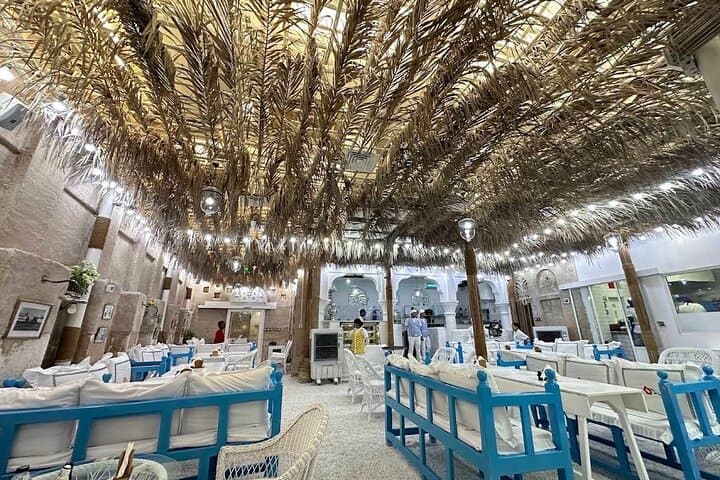
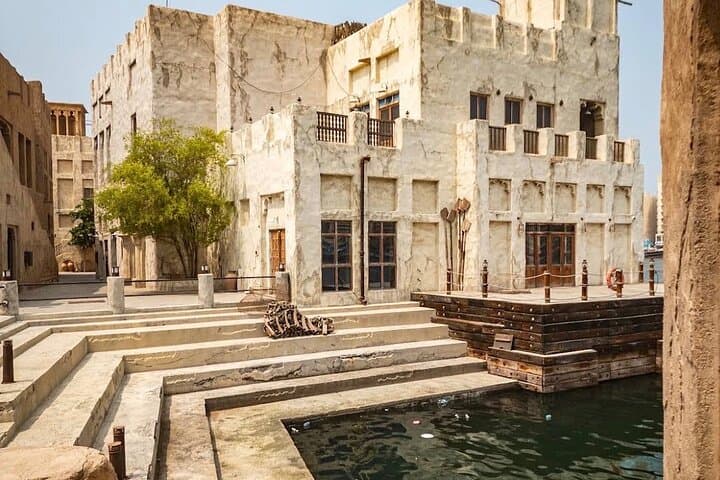
You leave the glass-and-steel skyline behind and enter a neighborhood where wind towers throw long, angular shadows and narrow lanes fold back on themselves.
Verified experiences and guided adventures in the surrounding area.
Operated by Arab tours · Dubai, Dubai
You leave the glass-and-steel skyline behind and enter a neighborhood where wind towers throw long, angular shadows and narrow lanes fold back on themselves.
The creek’s low tide exposes the old harbor’s edge and the water nudges wooden abras toward the opposite bank, a small ferry that still threads the city’s historic seam. Saffron and cumin hang in the air from the Spice Souk; fabric stalls flash color and gold shops glitter with tightly packed cases. A licensed local guide points out wind-tower houses, explaining how simple architecture cooled rooms before air conditioning arrived.
Dubai Creek shaped the city’s first economy: pearling, dhow trade and the short voyages that linked the Arabian Gulf to Persia and India. The Al Fahidi area preserves narrow alleys and the Coffee Museum, while the textile and spice souks reflect centuries of merchant routes rather than modern malls.
Practical guidance: the shared tour runs about 2 hours 45 minutes, paced for moderate fitness with multiple short stops and an included abra crossing. Expect uneven pavements and crowded market aisles; comfortable shoes matter more than technical gear. Bring small bills for purchases and a modest layer to respect local customs. Morning departures dodge heat and give softer light for photos; the guide provides cultural context and finishes with free time in the Gold Souk for browsing.
This is a walking itinerary that blends sensory market life, waterfront history and a brief traditional boat ride—ideal for travelers who want a short, grounded introduction to Old Dubai’s living past.
moderate.
2–3 hours (approximately 165 minutes).
Suitable for travelers with a moderate fitness level—walking on flat, sometimes uneven surfaces and standing in markets.
Tours generally start in the Al Fahidi/Al Bastakiya area near Dubai Creek and finish in the Gold Souk area, giving time to explore after the guided portion.
Yes—the traditional abra crossing of Dubai Creek is included as part of the itinerary.
The pace is relaxed but involves walking on uneven paths and crowds; it’s suitable for children and active older adults who can manage moderate walking.
Yes—haggling is common practice at many souk stalls; carry small bills and be polite when negotiating.
Dubai Creek was the lifeline of the emirate’s early economy, supporting pearling, dhow trade and the mercantile routes that created the city’s first wealth.
Rapid tourism and development put pressure on heritage areas; support licensed guides and local stalls, avoid littering and minimize single‑use plastics to help preserve the district.
Arab tours operates guided outdoor trips and adventures with an emphasis on safety, stewardship, and memorable experiences.
You leave the glass-and-steel skyline behind and enter a neighborhood where wind towers throw long, angular shadows and narrow lanes fold back on themselves.
You leave the glass-and-steel skyline behind and enter a neighborhood where wind towers throw long, angular shadows and narrow lanes fold back on themselves.
The creek’s low tide exposes the old harbor’s edge and the water nudges wooden abras toward the opposite bank, a small ferry that still threads the city’s historic seam. Saffron and cumin hang in the air from the Spice Souk; fabric stalls flash color and gold shops glitter with tightly packed cases. A licensed local guide points out wind-tower houses, explaining how simple architecture cooled rooms before air conditioning arrived.
Dubai Creek shaped the city’s first economy: pearling, dhow trade and the short voyages that linked the Arabian Gulf to Persia and India. The Al Fahidi area preserves narrow alleys and the Coffee Museum, while the textile and spice souks reflect centuries of merchant routes rather than modern malls.
Practical guidance: the shared tour runs about 2 hours 45 minutes, paced for moderate fitness with multiple short stops and an included abra crossing. Expect uneven pavements and crowded market aisles; comfortable shoes matter more than technical gear. Bring small bills for purchases and a modest layer to respect local customs. Morning departures dodge heat and give softer light for photos; the guide provides cultural context and finishes with free time in the Gold Souk for browsing.
This is a walking itinerary that blends sensory market life, waterfront history and a brief traditional boat ride—ideal for travelers who want a short, grounded introduction to Old Dubai’s living past.