THE ADVENTURE COLLECTIVE® · Independent discovery and booking for outdoor travel

Discover Old Dubai on a three-hour private walk through wind-tower lanes, textile, spice and gold souks, capped with a short abra crossing of Dubai Creek. Get historical context, practical bargaining tips, and an insider’s eye for authentic purchases.
Discover Old Dubai on a three-hour private walk through wind-tower lanes, textile, spice and gold souks, capped with a short abra crossing of Dubai Creek. Get historical context, practical bargaining tips, and an insider’s eye for authentic purchases.
You step off a shaded lane into the close, peppered scent of spices and hot metal—sunlight slices the narrow alleyways of Old Dubai while the Creek tugs at the wooden hulls of passing abras.
Verified experiences and guided adventures in the surrounding area.
Operated by KEY 2 DESTINATIONS · Dubai, Dubai
You step off a shaded lane into the close, peppered scent of spices and hot metal—sunlight slices the narrow alleyways of Old Dubai while the Creek tugs at the wooden hulls of passing abras.
This three-hour private walking tour threads through Al Fahidi’s wind-tower houses and the original trading lanes where pearling and dhow commerce shaped the city. Guides point out the oldest surviving structures and explain how Dubai evolved from a fishing village and pearling port into a global entrepôt. Geology here is subtle: the creek carved a natural harbor used by Persian, Indian and East African traders for centuries, and the tidal flow still sets the rhythm for market life.
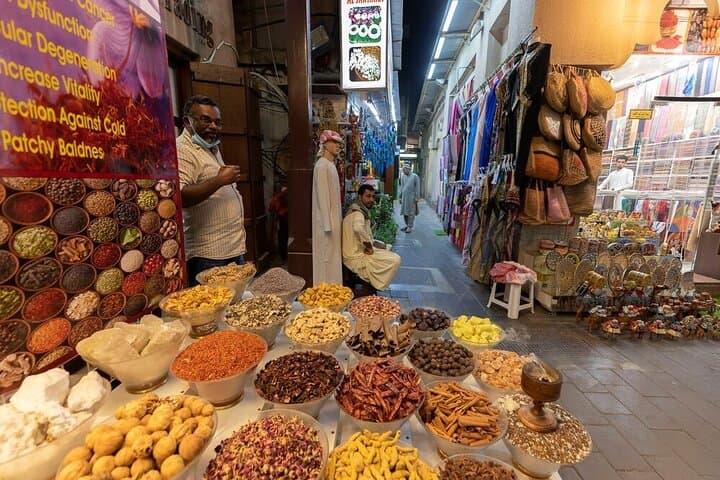
Culturally the souks are practical theater—textiles, spices and gold display local craftsmanship and long-standing trade practices. Expect lively haggling, powdered saffron piled like tiny suns, and hand-loomed fabrics whose quality a guide will help you judge.
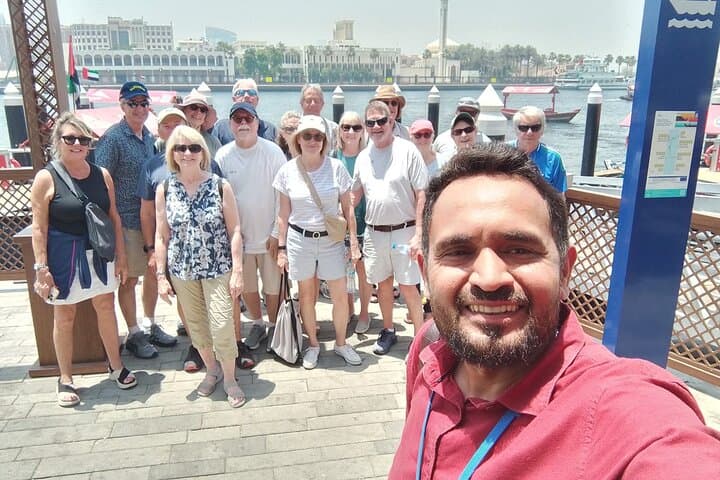
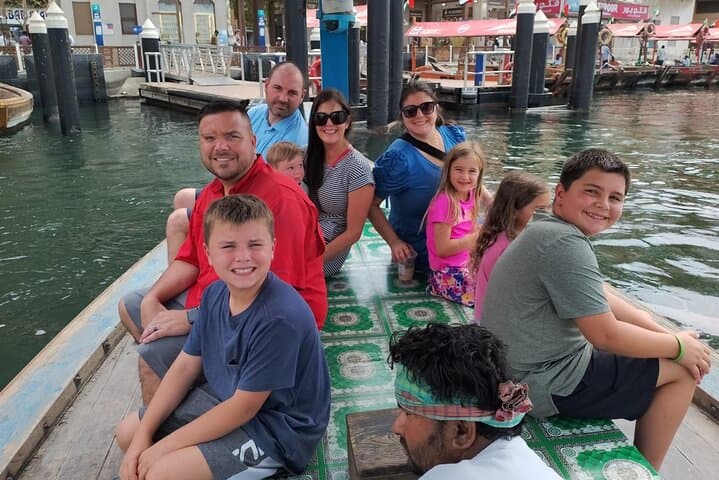
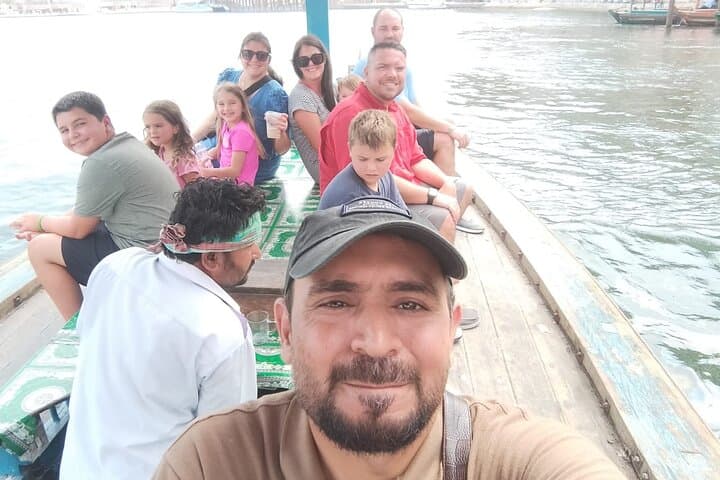
Practical guidance: plan for mid-morning or late afternoon to avoid peak heat, bring cash in small denominations, and keep valuables secure. Wear closed-toe shoes for crowded lanes and a wide-brim hat; the abra crossing is a short wooden-boat ride that offers photos of both creekfronts and an immediate sense of local transport. Ask your guide about provenance for spices and gold, and use the bargaining tips they provide—start low and be respectful.
This is an accessible, low-impact urban walk that pairs history with street-level commerce; come ready to move slowly, negotiate, and listen to stories that stitch the present to centuries of trade.
easy.
3 hours.
Suitable for all fitness levels; requires standing and walking on uneven, crowded lanes for moderate stretches.
Yes — the operator notes the route and boat access are wheelchair and stroller accessible, though some narrow lanes may be congested.
Many vendors accept cash (AED) and some accept cards; small purchases and bargaining work best with cash in small bills.
Full refunds are available if you cancel at least 24 hours before departure; check your booking confirmation for specifics.
Yes — the tour is family-friendly and suitable for infants in strollers; inform the operator when booking if you have special requirements.
Old Dubai grew up around Dubai Creek as a pearling and dhow-trading hub; the souks and wind-tower homes reflect centuries of maritime commerce and cultural exchange.
Visitors are encouraged to minimize single-use plastics, respect vendors’ crafts, and follow guided routes to reduce wear on heritage streets.
KEY 2 DESTINATIONS operates guided outdoor trips and adventures with an emphasis on safety, stewardship, and memorable experiences.
You step off a shaded lane into the close, peppered scent of spices and hot metal—sunlight slices the narrow alleyways of Old Dubai while the Creek tugs at the wooden hulls of passing abras.
You step off a shaded lane into the close, peppered scent of spices and hot metal—sunlight slices the narrow alleyways of Old Dubai while the Creek tugs at the wooden hulls of passing abras.
This three-hour private walking tour threads through Al Fahidi’s wind-tower houses and the original trading lanes where pearling and dhow commerce shaped the city. Guides point out the oldest surviving structures and explain how Dubai evolved from a fishing village and pearling port into a global entrepôt. Geology here is subtle: the creek carved a natural harbor used by Persian, Indian and East African traders for centuries, and the tidal flow still sets the rhythm for market life.
Culturally the souks are practical theater—textiles, spices and gold display local craftsmanship and long-standing trade practices. Expect lively haggling, powdered saffron piled like tiny suns, and hand-loomed fabrics whose quality a guide will help you judge.
Practical guidance: plan for mid-morning or late afternoon to avoid peak heat, bring cash in small denominations, and keep valuables secure. Wear closed-toe shoes for crowded lanes and a wide-brim hat; the abra crossing is a short wooden-boat ride that offers photos of both creekfronts and an immediate sense of local transport. Ask your guide about provenance for spices and gold, and use the bargaining tips they provide—start low and be respectful.
This is an accessible, low-impact urban walk that pairs history with street-level commerce; come ready to move slowly, negotiate, and listen to stories that stitch the present to centuries of trade.