THE ADVENTURE COLLECTIVE® · Independent discovery and booking for outdoor travel

Walk the oldest lanes of Dubai with a local host: breakfast at the Sheikh Mohammed Centre, a visit to Al Fahidi Fort, an abra across Dubai Creek, and time in the spice and gold souks. A six-hour, semi-private cultural immersion with pickup and AC transport.
Walk the oldest lanes of Dubai with a local host: breakfast at the Sheikh Mohammed Centre, a visit to Al Fahidi Fort, an abra across Dubai Creek, and time in the spice and gold souks. A six-hour, semi-private cultural immersion with pickup and AC transport.
Morning light strips across sun-bleached plaster and wind-towers as the group gathers in the narrow lanes of Al Fahidi Historical Neighbourhood. The air smells faintly of cardamom and sea; the Dubai Creek glints a slow ribbon that has shaped the city’s fortunes for centuries.
Verified experiences and guided adventures in the surrounding area.
Operated by Desertour Tourism DMC · Dubai, Dubai
Morning light strips across sun-bleached plaster and wind-towers as the group gathers in the narrow lanes of Al Fahidi Historical Neighbourhood. The air smells faintly of cardamom and sea; the Dubai Creek glints a slow ribbon that has shaped the city’s fortunes for centuries.
This semi-private walking tour opens with a traditional Emirati breakfast at the Sheikh Mohammed Centre for Cultural Understanding, where hosts explain local customs over small plates. Walks move through restored courtyard houses and barjeel (wind-towers) that speak to pre-oil architecture, then to Al Fahidi Fort (built 1787), now the Dubai Museum, which traces pearling, date farming and early trade. Geologically, the Creek is a tidal inlet that collected silt and supported dhow traffic, creating the distinct port economy that made Dubai a trading hub.
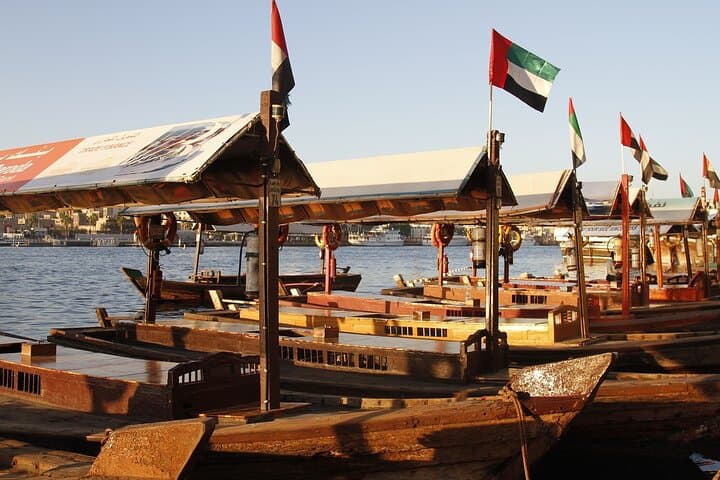
Expect market noise and close-up commerce: the Spice Souk’s aromas and the Gold Souk’s filigree counters reflect the city’s Indian and Persian trade links. An abra—traditional wooden ferry—carries visitors across the 14.4 km creek, lending a tactile connection to the maritime past.
Practical notes: the route is mostly flat, 3–5 km of paved alleys and market lanes with frequent stops and museum entries; total time is about six hours with pickup and AC transport between points. Carry sun protection, modest clothing for cultural sites, and small notes of local currency for souk purchases. Morning departures avoid the worst heat; the guide manages admissions and context so visitors can focus on listening, tasting and asking questions.
easy.
6 hours.
Light walking stamina with the ability to stand for guided stops; suitable for most fitness levels
Yes; the tour includes pickup in an air-conditioned vehicle—enter your pickup details when booking to confirm the location.
Admission to key sites listed in the itinerary (for example Al Fahidi Fort/Dubai Museum and the breakfast venue) is included; confirm specific inclusions on booking.
The tour notes stroller accessibility and infant seats for transport, but some narrow alleys and market areas may be tight—plan accordingly.
Bring small-denomination local currency and a willingness to haggle; many vendors accept cards for larger purchases, but cash is preferred for small transactions.
Dubai grew from a fishing and pearling settlement; Dubai Creek’s tidal inlet enabled dhow trade that connected Arabian, Persian and Indian markets and led to the city’s 19th–20th century growth.
The Creek’s tidal wetlands are sensitive to development and water quality; choose operators who avoid littering and support local heritage preservation initiatives.
Desertour Tourism DMC operates guided outdoor trips and adventures with an emphasis on safety, stewardship, and memorable experiences.
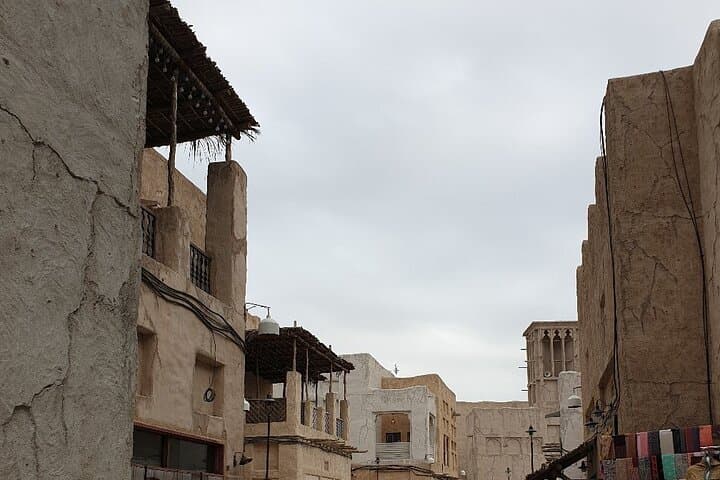
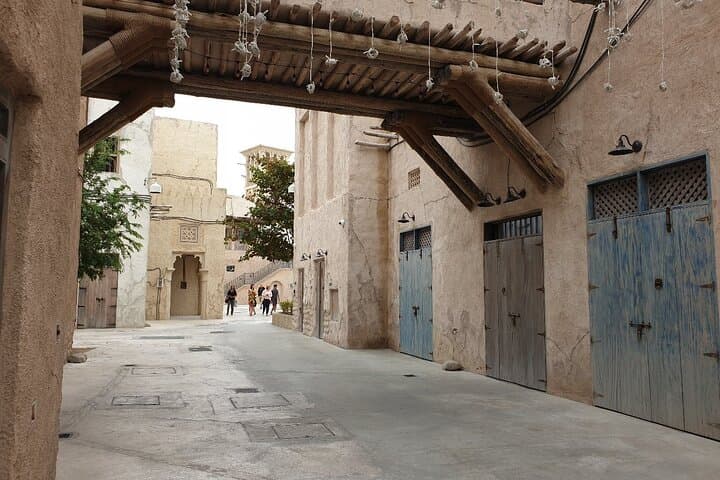
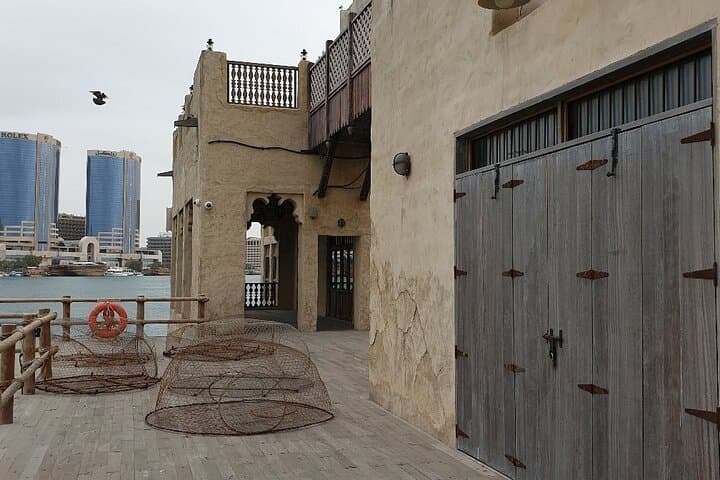
Morning light strips across sun-bleached plaster and wind-towers as the group gathers in the narrow lanes of Al Fahidi Historical Neighbourhood. The air smells faintly of cardamom and sea; the Dubai Creek glints a slow ribbon that has shaped the city’s fortunes for centuries.
Morning light strips across sun-bleached plaster and wind-towers as the group gathers in the narrow lanes of Al Fahidi Historical Neighbourhood. The air smells faintly of cardamom and sea; the Dubai Creek glints a slow ribbon that has shaped the city’s fortunes for centuries.
This semi-private walking tour opens with a traditional Emirati breakfast at the Sheikh Mohammed Centre for Cultural Understanding, where hosts explain local customs over small plates. Walks move through restored courtyard houses and barjeel (wind-towers) that speak to pre-oil architecture, then to Al Fahidi Fort (built 1787), now the Dubai Museum, which traces pearling, date farming and early trade. Geologically, the Creek is a tidal inlet that collected silt and supported dhow traffic, creating the distinct port economy that made Dubai a trading hub.
Expect market noise and close-up commerce: the Spice Souk’s aromas and the Gold Souk’s filigree counters reflect the city’s Indian and Persian trade links. An abra—traditional wooden ferry—carries visitors across the 14.4 km creek, lending a tactile connection to the maritime past.
Practical notes: the route is mostly flat, 3–5 km of paved alleys and market lanes with frequent stops and museum entries; total time is about six hours with pickup and AC transport between points. Carry sun protection, modest clothing for cultural sites, and small notes of local currency for souk purchases. Morning departures avoid the worst heat; the guide manages admissions and context so visitors can focus on listening, tasting and asking questions.