THE ADVENTURE COLLECTIVE® · Independent discovery and booking for outdoor travel

Walk through Dubai’s maritime origins along Al Seef and Al Fahidi, glide across the Creek on a traditional abra, and wander the spice and gold souks with a guide. This 3.5–4 hour tour combines history, markets and street food for a compact cultural immersion.
Walk through Dubai’s maritime origins along Al Seef and Al Fahidi, glide across the Creek on a traditional abra, and wander the spice and gold souks with a guide. This 3.5–4 hour tour combines history, markets and street food for a compact cultural immersion.
You step from shaded arcades onto a sunlit promenade where the Creek breathes and wooden dhows bob like slow-moving metronomes. The air tastes of cardamom and citrus; vendors call softly from narrow alleys; the varnished abra rocks against its pier and dares you to cross. This walking tour threads those sensory moments into a single morning — from Al Seef’s waterfront to the fortified stones of Al Fahidi and across the Creek into the spice‑scented arteries of Deira.
Verified experiences and guided adventures in the surrounding area.
Operated by Hisam Tour · Dubai, Dubai
You step from shaded arcades onto a sunlit promenade where the Creek breathes and wooden dhows bob like slow-moving metronomes. The air tastes of cardamom and citrus; vendors call softly from narrow alleys; the varnished abra rocks against its pier and dares you to cross. This walking tour threads those sensory moments into a single morning — from Al Seef’s waterfront to the fortified stones of Al Fahidi and across the Creek into the spice‑scented arteries of Deira.
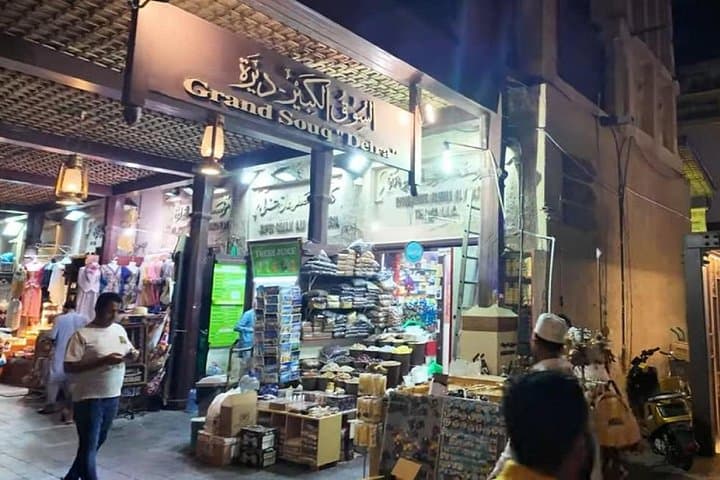
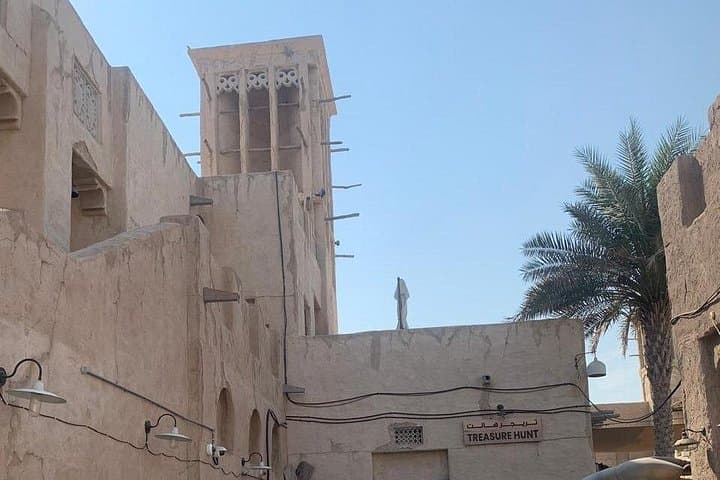
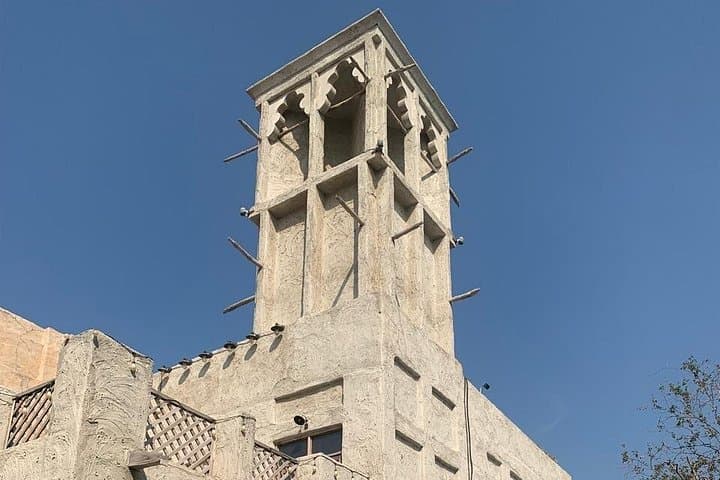
The route follows Dubai’s original trading spine: a tidal inlet that shaped the city’s economy for centuries. Al Fahidi Fort (late 18th century) now holds the Dubai Museum with dioramas of pearling and fishing life, while the Dagger Museum showcases khanjars and blades as symbols of regional craft. Geology is simple but visible — a sheltered creek carved by tides, lined by mangrove remnants and traditional quay architecture; culture here is commerce, hospitality and craft, seen in spice sacks, gold rings and steamed dates offered with Arabic coffee.
Practical notes: the tour lasts about 3.5–4 hours with low-impact walking on paved promenades and market lanes, and includes a 30‑minute abra ride and Dagger Museum entry. Wear sturdy, breathable shoes, bring sun protection and a refillable bottle (water is provided but Dubai sun is unforgiving). Carry small notes for market purchases and be prepared to remove hats/photos in some cultural sites. Morning or late afternoon departures cut heat and sharpen light for photos. Expect lively crowds, bargaining in the souks, and the steady pulse of a city that still trades by water.
easy.
3.5–4 hours.
Light walking ability; able to stand and walk for several short stretches with occasional steps and narrow alleys.
The tour runs approximately 230 minutes (about 3.5–4 hours) and includes guiding, an abra ride and Dagger Museum admission.
Light refreshments such as Arabic coffee or tea, dates and a street‑food option (shawarma or falafel in premium choices) are included; premium upgrades add fresh juice and pickup services.
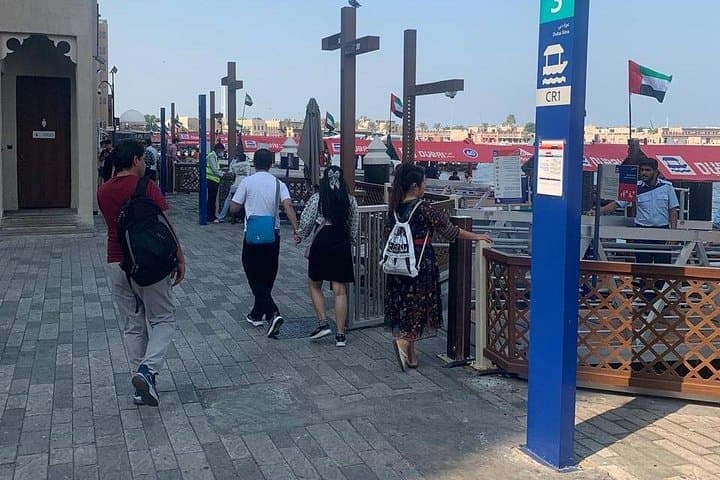
Yes — a roughly 30‑minute traditional abra ride across Dubai Creek is part of the itinerary.
The tour is rated easy but involves walking and some standing; it’s family‑friendly but not recommended for those with serious spinal issues or severe mobility restrictions.
Dubai grew from a pearling and fishing economy centered on its tidal creek; Al Fahidi Fort (late 18th century) later became the Dubai Museum showcasing that transformation.
High foot traffic in souks and along the Creek stresses waste systems; visitors can reduce impact by avoiding single‑use plastics, buying local, and following signposted routes.
Hisam Tour operates guided outdoor trips and adventures with an emphasis on safety, stewardship, and memorable experiences.
You step from shaded arcades onto a sunlit promenade where the Creek breathes and wooden dhows bob like slow-moving metronomes. The air tastes of cardamom and citrus; vendors call softly from narrow alleys; the varnished abra rocks against its pier and dares you to cross. This walking tour threads those sensory moments into a single morning — from Al Seef’s waterfront to the fortified stones of Al Fahidi and across the Creek into the spice‑scented arteries of Deira.
You step from shaded arcades onto a sunlit promenade where the Creek breathes and wooden dhows bob like slow-moving metronomes. The air tastes of cardamom and citrus; vendors call softly from narrow alleys; the varnished abra rocks against its pier and dares you to cross. This walking tour threads those sensory moments into a single morning — from Al Seef’s waterfront to the fortified stones of Al Fahidi and across the Creek into the spice‑scented arteries of Deira.
The route follows Dubai’s original trading spine: a tidal inlet that shaped the city’s economy for centuries. Al Fahidi Fort (late 18th century) now holds the Dubai Museum with dioramas of pearling and fishing life, while the Dagger Museum showcases khanjars and blades as symbols of regional craft. Geology is simple but visible — a sheltered creek carved by tides, lined by mangrove remnants and traditional quay architecture; culture here is commerce, hospitality and craft, seen in spice sacks, gold rings and steamed dates offered with Arabic coffee.
Practical notes: the tour lasts about 3.5–4 hours with low-impact walking on paved promenades and market lanes, and includes a 30‑minute abra ride and Dagger Museum entry. Wear sturdy, breathable shoes, bring sun protection and a refillable bottle (water is provided but Dubai sun is unforgiving). Carry small notes for market purchases and be prepared to remove hats/photos in some cultural sites. Morning or late afternoon departures cut heat and sharpen light for photos. Expect lively crowds, bargaining in the souks, and the steady pulse of a city that still trades by water.