THE ADVENTURE COLLECTIVE® · Independent discovery and booking for outdoor travel

Walk through Old Dubai’s historic alleys from Al Fahidi to the bustling Gold and Spice Souks, savor street tastings, and cross Dubai Creek on a traditional abra. This two- to four-hour tour pairs heritage buildings and sensory markets with practical tips for timing, bargaining, and staying comfortable.
Walk through Old Dubai’s historic alleys from Al Fahidi to the bustling Gold and Spice Souks, savor street tastings, and cross Dubai Creek on a traditional abra. This two- to four-hour tour pairs heritage buildings and sensory markets with practical tips for timing, bargaining, and staying comfortable.
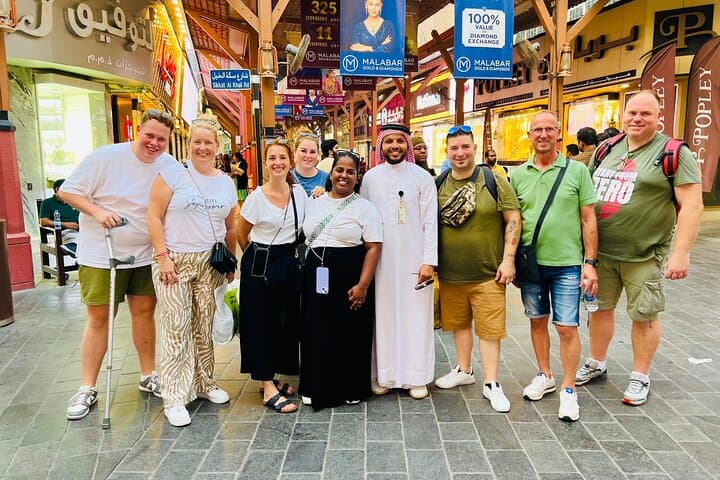
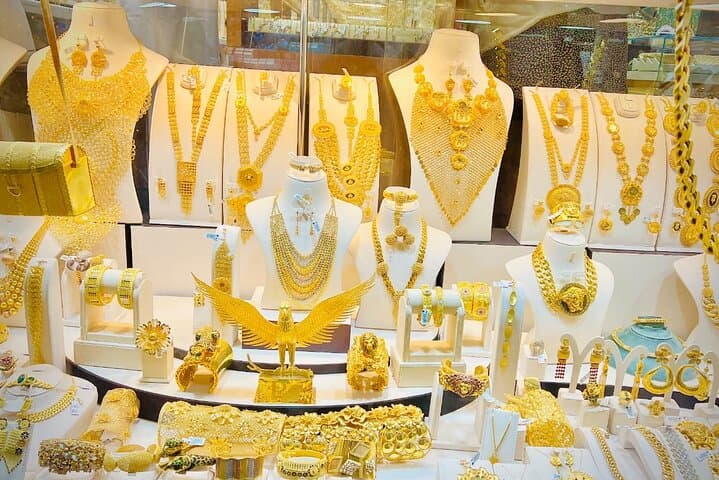
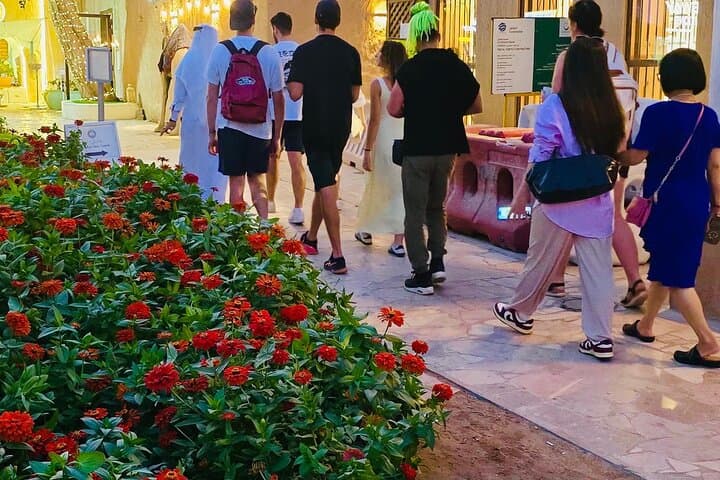
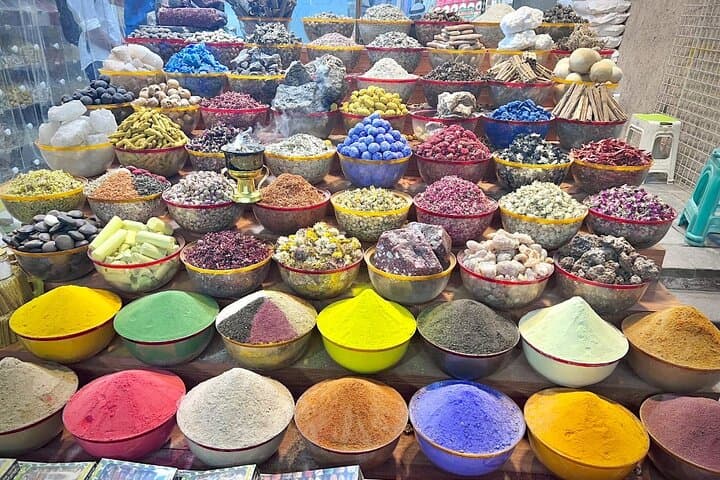
Morning light slants across Dubai Creek and the wooden abras rock gently against the quay — the city’s older face steps forward: narrow alleys, open spice sacks, the metallic flash of gold stalls, and the last breath of salt on the air. The tour moves at a walking pace, letting the markets and heritage blocks reveal themselves in ordered stops from Al Fahidi’s wind-towered lanes to the busy Deira souks and a short abra crossing.
Verified experiences and guided adventures in the surrounding area.
Operated by Mahmoud Elsayed Tourism L.L.C Walking , Safari and City Tour · Dubai, Dubai
Morning light slants across Dubai Creek and the wooden abras rock gently against the quay — the city’s older face steps forward: narrow alleys, open spice sacks, the metallic flash of gold stalls, and the last breath of salt on the air. The tour moves at a walking pace, letting the markets and heritage blocks reveal themselves in ordered stops from Al Fahidi’s wind-towered lanes to the busy Deira souks and a short abra crossing.
This strip of Dubai holds trading history: the creek was the city’s original artery, a tidal saltwater inlet that shaped early settlement and commerce long before oil. Al Fahidi (Al Bastakiya) preserves traditional Emirati courtyard houses and wind-tower architecture; nearby museums trace pearl-diving, dhow trade, and colonial-era links across the Gulf.
Culturally the area is transactional and tactile — vendors display spices, perfumes, textiles, and jewellery where haggling is expected and local flavors dominate. Geologically the landscape is reclaimed coastal plain and tidal creek, so expect flat walking and occasional waterfront breezes that push the day along.
Practical guidance: take the tour in the cooler morning or late afternoon to avoid peak heat; wear closed, comfortable shoes for uneven cobbles; carry water and a hat; dress respectfully in light, modest clothing when entering religious sites. Bring small bills for quick purchases and prepare to taste camel-milk chocolate, sample spices, and cross the creek on a 5–10 minute abra ride. Public transit and short taxi rides link the area to central Dubai, but much of the experience is best experienced on foot — deliberate, sensory, and immediate.
easy.
2–4 hours.
Suitable for most fitness levels; involves continuous walking on flat, sometimes uneven surfaces for several hours.
The itinerary runs about 2–4 hours depending on the pace and stops, including the abra crossing.
Yes — the traditional abra crossing of Dubai Creek is part of the tour experience.
The tour includes sampling items like camel-milk chocolate and street tastings; bring cash for any additional purchases.
Generally yes; the tour is low-intensity walking, but it’s not recommended for those with serious heart conditions and requires basic mobility to navigate narrow alleys.
Dubai Creek was a vital trading channel that shaped early settlement; Al Fahidi preserves traditional wind-tower architecture and pre-oil urban fabric.
The area balances tourism with heritage preservation; minimize single-use plastics, respect shop displays, and follow signage to protect fragile historic structures.
Mahmoud Elsayed Tourism L.L.C Walking , Safari and City Tour operates guided outdoor trips and adventures with an emphasis on safety, stewardship, and memorable experiences.
Morning light slants across Dubai Creek and the wooden abras rock gently against the quay — the city’s older face steps forward: narrow alleys, open spice sacks, the metallic flash of gold stalls, and the last breath of salt on the air. The tour moves at a walking pace, letting the markets and heritage blocks reveal themselves in ordered stops from Al Fahidi’s wind-towered lanes to the busy Deira souks and a short abra crossing.
Morning light slants across Dubai Creek and the wooden abras rock gently against the quay — the city’s older face steps forward: narrow alleys, open spice sacks, the metallic flash of gold stalls, and the last breath of salt on the air. The tour moves at a walking pace, letting the markets and heritage blocks reveal themselves in ordered stops from Al Fahidi’s wind-towered lanes to the busy Deira souks and a short abra crossing.
This strip of Dubai holds trading history: the creek was the city’s original artery, a tidal saltwater inlet that shaped early settlement and commerce long before oil. Al Fahidi (Al Bastakiya) preserves traditional Emirati courtyard houses and wind-tower architecture; nearby museums trace pearl-diving, dhow trade, and colonial-era links across the Gulf.
Culturally the area is transactional and tactile — vendors display spices, perfumes, textiles, and jewellery where haggling is expected and local flavors dominate. Geologically the landscape is reclaimed coastal plain and tidal creek, so expect flat walking and occasional waterfront breezes that push the day along.
Practical guidance: take the tour in the cooler morning or late afternoon to avoid peak heat; wear closed, comfortable shoes for uneven cobbles; carry water and a hat; dress respectfully in light, modest clothing when entering religious sites. Bring small bills for quick purchases and prepare to taste camel-milk chocolate, sample spices, and cross the creek on a 5–10 minute abra ride. Public transit and short taxi rides link the area to central Dubai, but much of the experience is best experienced on foot — deliberate, sensory, and immediate.