THE ADVENTURE COLLECTIVE® · Independent discovery and booking for outdoor travel

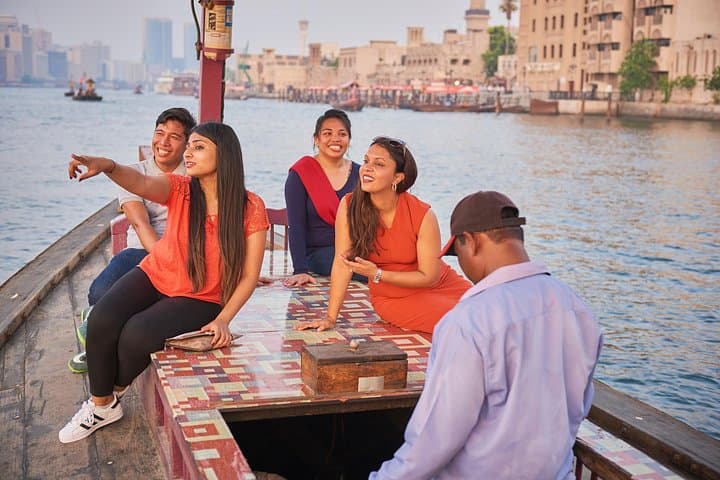
Walk the alleys of Al Fahidi, cross Dubai Creek on a private abra, and shop the spice, textile and gold souks on a compact two‑hour guided tour that highlights Dubai’s pearling and trading past.
Walk the alleys of Al Fahidi, cross Dubai Creek on a private abra, and shop the spice, textile and gold souks on a compact two‑hour guided tour that highlights Dubai’s pearling and trading past.
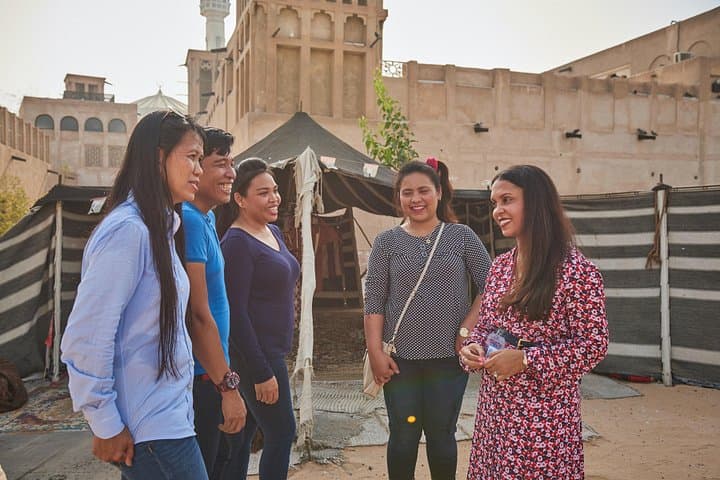
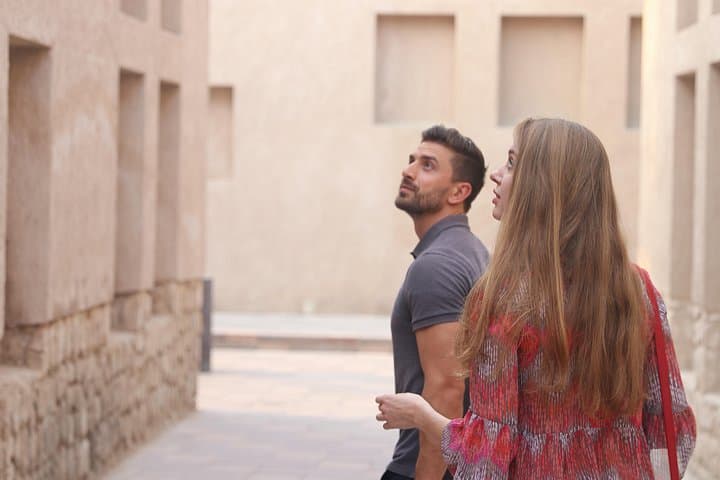
You step from the shade of modern towers into alleys that still remember the tide. Heat shimmers above the creek; wooden abras cut across copper-brown water as gulls wheel and the scent of spices lifts from low stalls. This two‑hour walking tour threads Al Fahidi’s wind‑tower lanes, a small fort framed in ochre stone, and the busy textile, spice and gold souks that powered Dubai’s rise.
Verified experiences and guided adventures in the surrounding area.
Operated by Dubai By Foot · Dubai, Dubai
You step from the shade of modern towers into alleys that still remember the tide. Heat shimmers above the creek; wooden abras cut across copper-brown water as gulls wheel and the scent of spices lifts from low stalls. This two‑hour walking tour threads Al Fahidi’s wind‑tower lanes, a small fort framed in ochre stone, and the busy textile, spice and gold souks that powered Dubai’s rise.
History here is tactile — the fort at Al Fahidi dates to the late 18th century and marked the town’s defensive and administrative center while pearling and trade defined daily life along the creek. Geologically, Dubai Creek carved a sheltered inlet that made the area a natural harbor for dhows from Persia and India; that sheltered channel still drives the city’s oldest rhythms today.
Culturally the tour opens doors to Emirati life: traditional houses, coffee rituals at the Coffee Museum, and subtle social codes in dress and greetings. The private abra crossing is more than transport — it’s a momentary return to the village pace that predates skyscrapers.
Practical bits: expect uneven paving and narrow lanes — comfortable closed shoes and sun protection matter. Bring small-denomination dirhams for market purchases and practice polite bargaining at the souks. Mornings are cooler and quieter; midday brings crowds and heat. Guides typically include a short coffee or tea stop; camera-ready moments come at every turn. Respect local customs, minimize single-use plastics, and allow the creek to remind you how Dubai’s past still shapes its present.
easy.
2 hours.
Suitable for most fitness levels — expect moderate walking on flat, uneven surfaces.
Yes — a short private abra crossing on Dubai Creek is included as part of the itinerary.
Yes — a short private abra crossing on Dubai Creek is included as part of the itinerary.
Yes — the route is stroller-accessible, but expect tight alleys where a carrier may be easier during busy periods.
Tours are typically conducted in English by licensed guides; check with the operator for other language availability.
Old Dubai grew around a tidal creek that made it a pearling and trading hub; Al Fahidi Fort, the area’s oldest structure, anchored community life from the 18th century onward.
Conservation efforts focus on preserving historic buildings and managing visitor impact — support local businesses, avoid littering, and limit plastic use in the souks.
Dubai By Foot operates guided outdoor trips and adventures with an emphasis on safety, stewardship, and memorable experiences.
You step from the shade of modern towers into alleys that still remember the tide. Heat shimmers above the creek; wooden abras cut across copper-brown water as gulls wheel and the scent of spices lifts from low stalls. This two‑hour walking tour threads Al Fahidi’s wind‑tower lanes, a small fort framed in ochre stone, and the busy textile, spice and gold souks that powered Dubai’s rise.
You step from the shade of modern towers into alleys that still remember the tide. Heat shimmers above the creek; wooden abras cut across copper-brown water as gulls wheel and the scent of spices lifts from low stalls. This two‑hour walking tour threads Al Fahidi’s wind‑tower lanes, a small fort framed in ochre stone, and the busy textile, spice and gold souks that powered Dubai’s rise.
History here is tactile — the fort at Al Fahidi dates to the late 18th century and marked the town’s defensive and administrative center while pearling and trade defined daily life along the creek. Geologically, Dubai Creek carved a sheltered inlet that made the area a natural harbor for dhows from Persia and India; that sheltered channel still drives the city’s oldest rhythms today.
Culturally the tour opens doors to Emirati life: traditional houses, coffee rituals at the Coffee Museum, and subtle social codes in dress and greetings. The private abra crossing is more than transport — it’s a momentary return to the village pace that predates skyscrapers.
Practical bits: expect uneven paving and narrow lanes — comfortable closed shoes and sun protection matter. Bring small-denomination dirhams for market purchases and practice polite bargaining at the souks. Mornings are cooler and quieter; midday brings crowds and heat. Guides typically include a short coffee or tea stop; camera-ready moments come at every turn. Respect local customs, minimize single-use plastics, and allow the creek to remind you how Dubai’s past still shapes its present.