THE ADVENTURE COLLECTIVE® · Independent discovery and booking for outdoor travel

Walk Al Fahidi’s winding lanes, bargain in the spice and textile souks, and cross Dubai Creek on a traditional abra. This 3–4 hour guided tour packs history, local color, and practical urban exploration into a single morning or sunset outing.
Walk Al Fahidi’s winding lanes, bargain in the spice and textile souks, and cross Dubai Creek on a traditional abra. This 3–4 hour guided tour packs history, local color, and practical urban exploration into a single morning or sunset outing.
The heat of the city falls away as you step into narrow alleys shaded by wind towers, the air punctuated by cardamom and tea. This three- to four-hour walking tour threads Bur Dubai and Deira along Dubai Creek—starting in Al Fahidi’s compact lanes, moving through textile and spice souks, then crossing the water on an abra where the creek seems to push the city into view.
Verified experiences and guided adventures in the surrounding area.
Operated by Happy Land Tourism · Dubai, Dubai
The heat of the city falls away as you step into narrow alleys shaded by wind towers, the air punctuated by cardamom and tea. This three- to four-hour walking tour threads Bur Dubai and Deira along Dubai Creek—starting in Al Fahidi’s compact lanes, moving through textile and spice souks, then crossing the water on an abra where the creek seems to push the city into view.
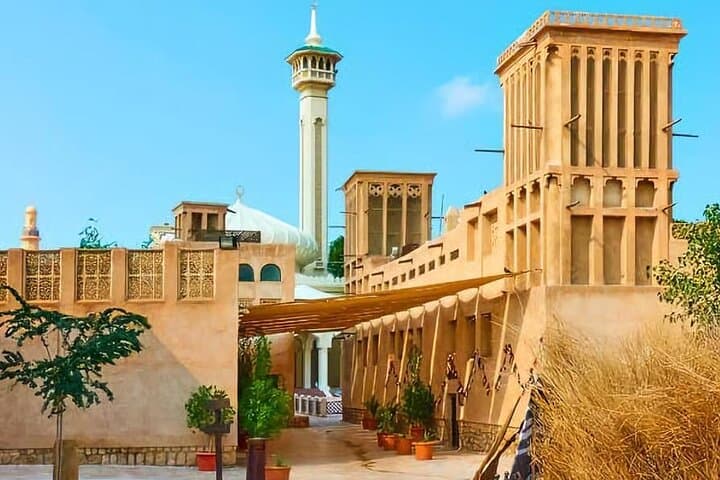
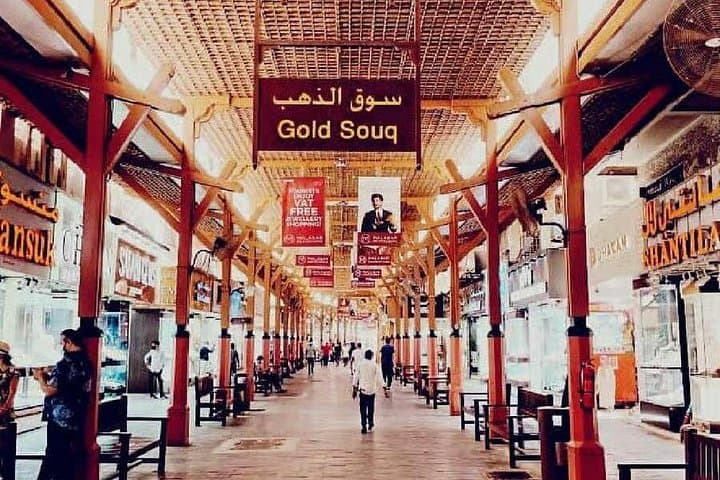
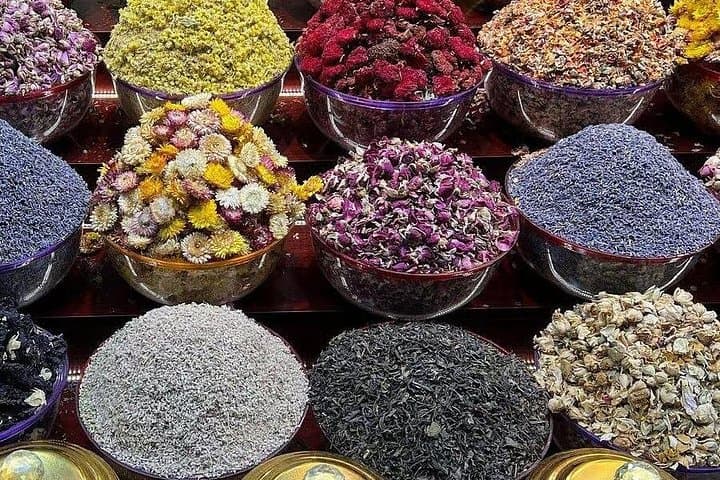
Al Fahidi (formerly Bastakiya) preserves late-19th-century courtyard homes and barjeel wind towers that speak to an era before oil—when pearling, trade, and seasonal winds shaped daily life. The creek itself is a geological inlet where sediment and sea met to form Dubai’s historic waterfront; its banks became the city’s trading spine. Cultural notes surface at every turn: the Gold Souk’s glitter of commerce, the spice stalls’ robust aromas, and small museums that map the emirate’s shift from fishing village to global port.
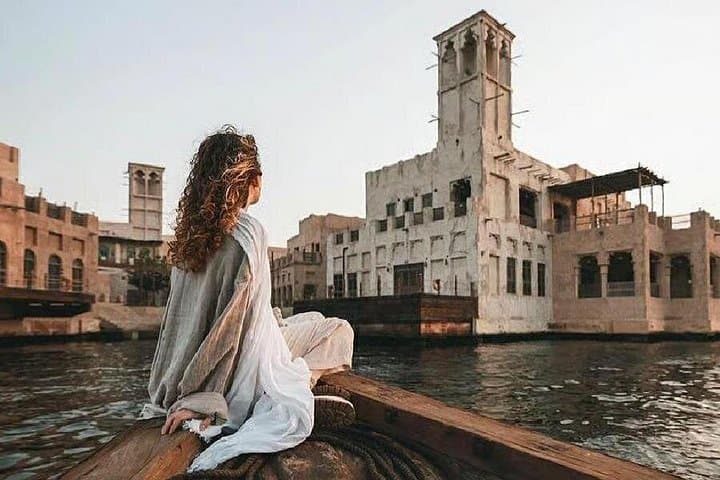
On the practical side, expect mostly paved lanes and some uneven stone; walking shoes and a sun hat will make the difference. Guides pause frequently for stories, photo stops, and a short abra ride that offers a cooling breeze and clear sightlines for sunset reflections.
Plan to start in the cooler morning or late afternoon, carry water (bottled water is commonly available), and leave large bags at your hotel—souks are lively and compact. This tour suits travelers curious about urban history, street-level markets, and the modest architecture that anchors modern Dubai.
easy.
3–4 hours.
Light walking ability; participants should be comfortable on flat urban terrain for several hours.
The tour runs about 3–4 hours and covers mostly paved lanes and market alleys; expect light to moderate walking with frequent stops.
Yes—alleys can be narrow but most sections are stroller-accessible; operators note infants and small children can use prams.
Most tours include exterior visits and guided commentary; any paid museum admissions are typically not included—confirm with the operator beforehand.
Many souk vendors prefer cash; carry small bills and coins. Larger shops and modern outlets may accept cards.
Al Fahidi’s courtyard homes and wind towers date to the late 19th century; Al Fahidi Fort (1787) marks the city’s earliest preserved structure and anchors Dubai Museum’s narrative.
Heritage areas are under active preservation—stay on marked routes, avoid touching delicate plasterwork, and support local craftsmen to help maintain traditional trades.
Happy Land Tourism operates guided outdoor trips and adventures with an emphasis on safety, stewardship, and memorable experiences.
The heat of the city falls away as you step into narrow alleys shaded by wind towers, the air punctuated by cardamom and tea. This three- to four-hour walking tour threads Bur Dubai and Deira along Dubai Creek—starting in Al Fahidi’s compact lanes, moving through textile and spice souks, then crossing the water on an abra where the creek seems to push the city into view.
The heat of the city falls away as you step into narrow alleys shaded by wind towers, the air punctuated by cardamom and tea. This three- to four-hour walking tour threads Bur Dubai and Deira along Dubai Creek—starting in Al Fahidi’s compact lanes, moving through textile and spice souks, then crossing the water on an abra where the creek seems to push the city into view.
Al Fahidi (formerly Bastakiya) preserves late-19th-century courtyard homes and barjeel wind towers that speak to an era before oil—when pearling, trade, and seasonal winds shaped daily life. The creek itself is a geological inlet where sediment and sea met to form Dubai’s historic waterfront; its banks became the city’s trading spine. Cultural notes surface at every turn: the Gold Souk’s glitter of commerce, the spice stalls’ robust aromas, and small museums that map the emirate’s shift from fishing village to global port.
On the practical side, expect mostly paved lanes and some uneven stone; walking shoes and a sun hat will make the difference. Guides pause frequently for stories, photo stops, and a short abra ride that offers a cooling breeze and clear sightlines for sunset reflections.
Plan to start in the cooler morning or late afternoon, carry water (bottled water is commonly available), and leave large bags at your hotel—souks are lively and compact. This tour suits travelers curious about urban history, street-level markets, and the modest architecture that anchors modern Dubai.