THE ADVENTURE COLLECTIVE® · Independent discovery and booking for outdoor travel

A focused three-hour walking tour through Al Fahidi, a short abra crossing of Dubai Creek, and the spice and gold souks of Deira. Expect historic lanes, market bargaining, and a compact taste of pre-oil Dubai.
A focused three-hour walking tour through Al Fahidi, a short abra crossing of Dubai Creek, and the spice and gold souks of Deira. Expect historic lanes, market bargaining, and a compact taste of pre-oil Dubai.
The morning sun slices across Dubai Creek as the wooden abra engines putter and the city exhales. You meet at Al Seef's stone-paved edge and step into alleys where wind towers throw cool shadows and the creek pulls the city’s past toward its present.
Verified experiences and guided adventures in the surrounding area.
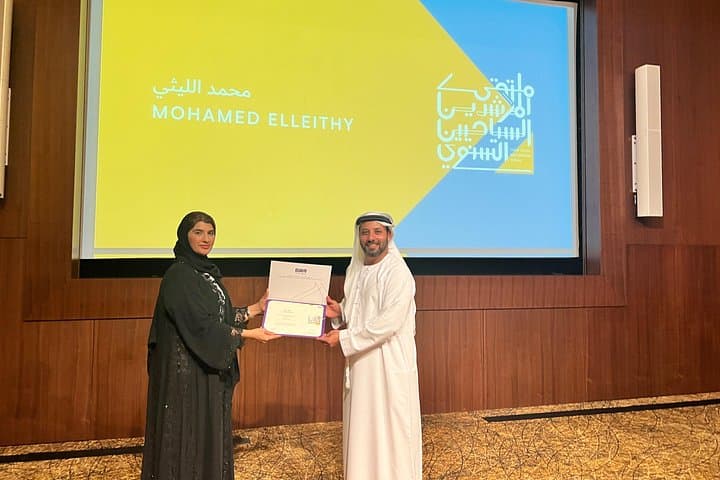
Operated by Mohamed Elleithy (MO) · Dubai, Dubai
The morning sun slices across Dubai Creek as the wooden abra engines putter and the city exhales. You meet at Al Seef's stone-paved edge and step into alleys where wind towers throw cool shadows and the creek pulls the city’s past toward its present.
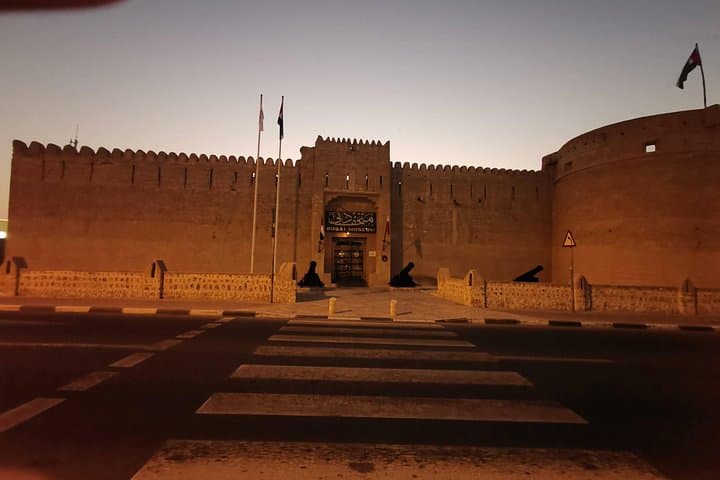
This three-hour walking tour threads Al Fahidi’s narrow lanes, the abra crossing, and the market labyrinths of Deira. Historically the lifeblood of the emirate, Dubai Creek was a trading artery for pearling and dhow commerce; Al Fahidi preserves the 19th‑ and early‑20th century urban fabric where merchants and craftsmen once lived. Geologically the creek is a tidal inlet carving sheltered water through sedimentary flats that shaped the settlement pattern you’ll see.
Culture here is tactile: spice piles paint the air with turmeric and cardamom, gold shops display centuries of regional metalwork practice, and hospitality comes in small cups of sweet tea. The abra ride is short but vivid — a working ferry that still links the old souks to the city.
Practical guidance: wear comfortable closed-toe shoes for uneven stone and alleys, bring sun protection and a refillable water bottle (bottled water is usually provided). Plan to move at a casual pace with several short stops; carry small notes for haggling in the souks and dress respectfully—shoulders and knees covered in market areas. Public transit access is good (Sharaf DG Metro is nearest), and the tour is stroller-friendly. Early morning departures avoid heat and crowds and give the best light for photos.
This is a compact, sensory route through Dubai’s mercantile heart — low exertion but high in cultural detail.
easy.
3 hours.
Minimal fitness required — mostly level walking with short stretches of cobbled surfaces.
Meeting point is Al Seef Heritage Hotel (Bayt 1) on Dubai Creek; Sharaf DG Metro is the closest station by public transit.
Yes — the short traditional abra boat crossing of Dubai Creek is part of the itinerary.
Yes — the route is stroller-accessible and suitable for most ages; expect some narrow alleys and brief standing periods.
Guides are Arab-licensed professionals; availability of specific languages may vary so check at booking.
Dubai Creek drove the emirate’s pearling and dhow trade; Al Fahidi preserves merchant homes and wind-tower architecture from the 19th and early 20th centuries.
Tourism here aims to support conservation of historic buildings and reduce plastic waste; practice low-impact tourism by minimizing single-use plastics and respecting local sites.
Mohamed Elleithy (MO) operates guided outdoor trips and adventures with an emphasis on safety, stewardship, and memorable experiences.
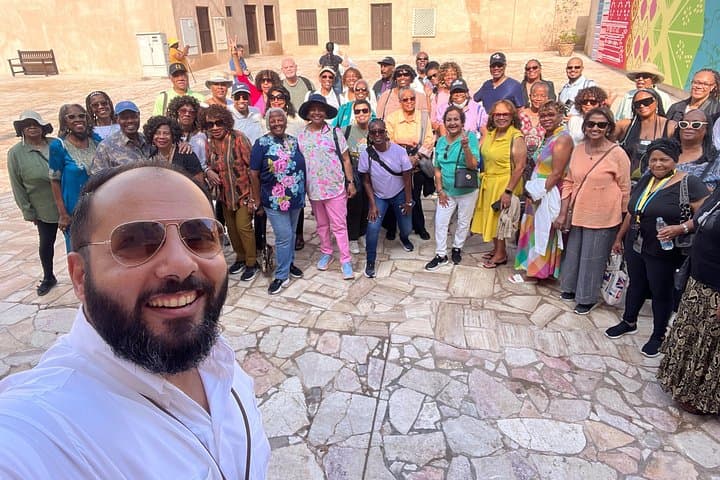
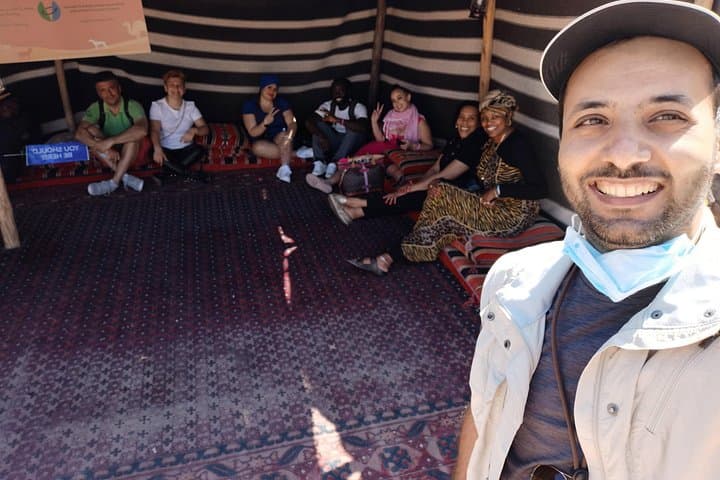
The morning sun slices across Dubai Creek as the wooden abra engines putter and the city exhales. You meet at Al Seef's stone-paved edge and step into alleys where wind towers throw cool shadows and the creek pulls the city’s past toward its present.
The morning sun slices across Dubai Creek as the wooden abra engines putter and the city exhales. You meet at Al Seef's stone-paved edge and step into alleys where wind towers throw cool shadows and the creek pulls the city’s past toward its present.
This three-hour walking tour threads Al Fahidi’s narrow lanes, the abra crossing, and the market labyrinths of Deira. Historically the lifeblood of the emirate, Dubai Creek was a trading artery for pearling and dhow commerce; Al Fahidi preserves the 19th‑ and early‑20th century urban fabric where merchants and craftsmen once lived. Geologically the creek is a tidal inlet carving sheltered water through sedimentary flats that shaped the settlement pattern you’ll see.
Culture here is tactile: spice piles paint the air with turmeric and cardamom, gold shops display centuries of regional metalwork practice, and hospitality comes in small cups of sweet tea. The abra ride is short but vivid — a working ferry that still links the old souks to the city.
Practical guidance: wear comfortable closed-toe shoes for uneven stone and alleys, bring sun protection and a refillable water bottle (bottled water is usually provided). Plan to move at a casual pace with several short stops; carry small notes for haggling in the souks and dress respectfully—shoulders and knees covered in market areas. Public transit access is good (Sharaf DG Metro is nearest), and the tour is stroller-friendly. Early morning departures avoid heat and crowds and give the best light for photos.
This is a compact, sensory route through Dubai’s mercantile heart — low exertion but high in cultural detail.