THE ADVENTURE COLLECTIVE® · Independent discovery and booking for outdoor travel

Cross Dubai Creek on a wooden abra, follow a guide through Al Fahidi’s alleys, and sample saffron tea and dates in the spice and gold souks. This two-hour walking tour pairs history with hands-on tastings and practical tips for navigating Old Dubai.
Cross Dubai Creek on a wooden abra, follow a guide through Al Fahidi’s alleys, and sample saffron tea and dates in the spice and gold souks. This two-hour walking tour pairs history with hands-on tastings and practical tips for navigating Old Dubai.
The morning air over Dubai Creek is sharp with citrus and cardamom; wooden abras chug across brown water as vendors unfold bolts of silk and glimmering trays of gold. Walks through Al Fahidi’s narrow lanes feel like stepping into a working archive — wind towers and rough coral-stone walls give direction to the breeze while your guide points out doorways and stories that map Dubai’s transition from fishing and pearling village to global trade hub.
Verified experiences and guided adventures in the surrounding area.
Operated by 1001 Nights Experiences · Dubai, Dubai
The morning air over Dubai Creek is sharp with citrus and cardamom; wooden abras chug across brown water as vendors unfold bolts of silk and glimmering trays of gold. Walks through Al Fahidi’s narrow lanes feel like stepping into a working archive — wind towers and rough coral-stone walls give direction to the breeze while your guide points out doorways and stories that map Dubai’s transition from fishing and pearling village to global trade hub.
History here reads in architecture: Al Fahidi Fort (now Dubai Museum) dates to the late 18th century, and the Bastakiya quarter preserves merchant houses from the 19th century. Geology is visible in building materials — coral, gypsum and local stone — chosen for thermal mass before air conditioning. Culture centers on markets: the spice souk throws scents forward like an invitation, while the Gold Souk glints with centuries of regional trade networks.
Practical guidance is as much part of the experience as tasting saffron tea. The two-hour walking loop covers compact distances across paved lanes and market alleys; expect lots of standing, short stairs at heritage houses, and brief abra crossings on traditional wooden boats. Bring small-denomination cash for quick purchases, wear breathable, modest clothing and comfortable closed-toe shoes for alleyways. Plan visits early or late to avoid midday heat; most guides time tastings and souk visits to match cooler light and smaller crowds. Hydrate, ask your guide for bargaining boundaries, and treat fragile displays with care — the area remains a living neighborhood, not a staged exhibit.
easy.
2 hours.
Suitable for most fitness levels; expect standing, short walks over paved and uneven surfaces
The tour runs about two hours and involves short, gentle walks through alleys and market stalls with brief standing and an abra crossing.
Tastings (tea, coffee, sweets) and entry to selected heritage houses and spice experiences are included as listed by the operator.
Yes — the route is stroller-accessible in parts, though some narrow alleys and steps at heritage houses may require folding a stroller briefly.
Many vendors accept cash only; carry small-denomination dirhams for abras, small purchases and bargaining — larger shops in the area may accept cards.
Dubai Creek was the city’s trading artery for pearling, dhows and merchants; Bastakiya houses reflect the Persian merchant families who settled there in the 19th century.
This area is a living neighborhood — avoid single-use plastics, follow local waste rules, and support small vendors to sustain traditional crafts and markets.
1001 Nights Experiences operates guided outdoor trips and adventures with an emphasis on safety, stewardship, and memorable experiences.
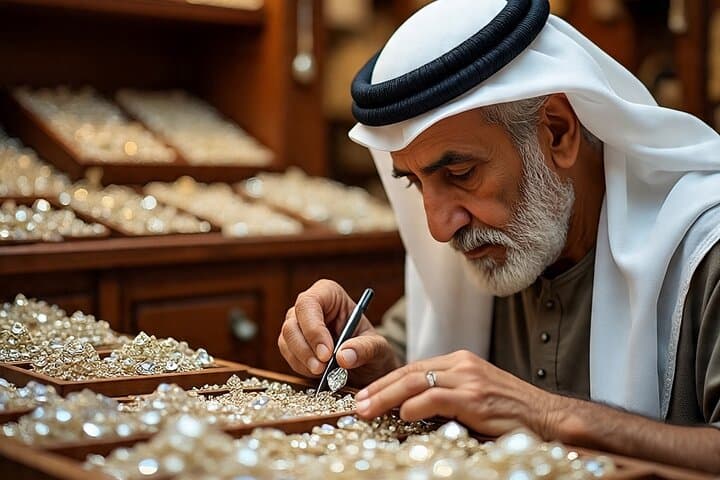
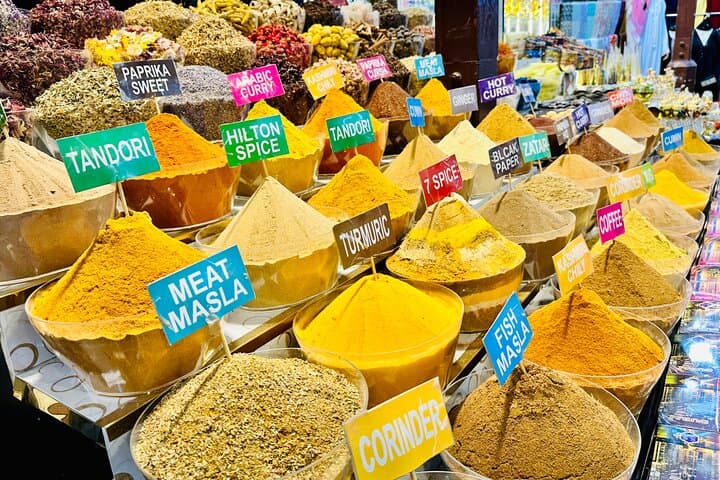
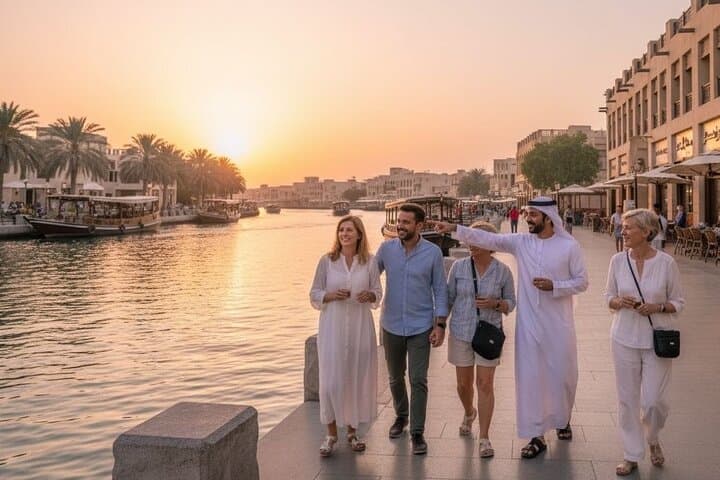
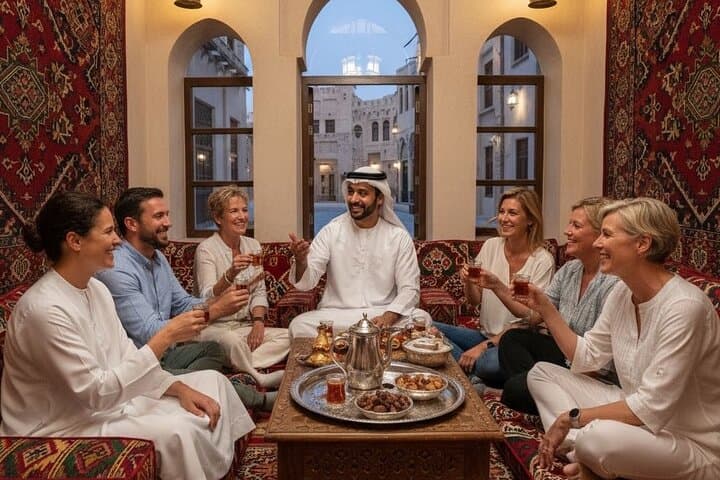
The morning air over Dubai Creek is sharp with citrus and cardamom; wooden abras chug across brown water as vendors unfold bolts of silk and glimmering trays of gold. Walks through Al Fahidi’s narrow lanes feel like stepping into a working archive — wind towers and rough coral-stone walls give direction to the breeze while your guide points out doorways and stories that map Dubai’s transition from fishing and pearling village to global trade hub.
The morning air over Dubai Creek is sharp with citrus and cardamom; wooden abras chug across brown water as vendors unfold bolts of silk and glimmering trays of gold. Walks through Al Fahidi’s narrow lanes feel like stepping into a working archive — wind towers and rough coral-stone walls give direction to the breeze while your guide points out doorways and stories that map Dubai’s transition from fishing and pearling village to global trade hub.
History here reads in architecture: Al Fahidi Fort (now Dubai Museum) dates to the late 18th century, and the Bastakiya quarter preserves merchant houses from the 19th century. Geology is visible in building materials — coral, gypsum and local stone — chosen for thermal mass before air conditioning. Culture centers on markets: the spice souk throws scents forward like an invitation, while the Gold Souk glints with centuries of regional trade networks.
Practical guidance is as much part of the experience as tasting saffron tea. The two-hour walking loop covers compact distances across paved lanes and market alleys; expect lots of standing, short stairs at heritage houses, and brief abra crossings on traditional wooden boats. Bring small-denomination cash for quick purchases, wear breathable, modest clothing and comfortable closed-toe shoes for alleyways. Plan visits early or late to avoid midday heat; most guides time tastings and souk visits to match cooler light and smaller crowds. Hydrate, ask your guide for bargaining boundaries, and treat fragile displays with care — the area remains a living neighborhood, not a staged exhibit.