THE ADVENTURE COLLECTIVE® · Independent discovery and booking for outdoor travel

Four hours through Deira’s historic markets—where spices, textiles and gold meet the Creek’s abra crossings. Expect bargaining, narrow alleys, and a sensory education in Dubai’s trading past.
Four hours through Deira’s historic markets—where spices, textiles and gold meet the Creek’s abra crossings. Expect bargaining, narrow alleys, and a sensory education in Dubai’s trading past.
You step off an air-conditioned car into Deira’s narrow lanes and the city rearranges itself: heat and bustle, voices calling, sacks of saffron and trays of glittering karats piled like small fortunes.
Verified experiences and guided adventures in the surrounding area.
Operated by Best Deal Tourism · Dubai, Dubai
You step off an air-conditioned car into Deira’s narrow lanes and the city rearranges itself: heat and bustle, voices calling, sacks of saffron and trays of glittering karats piled like small fortunes.
This four-hour loop threads the historic spine of Dubai Creek — the trade artery that turned a fishing and pearling settlement into a global entrepôt. Geology here is simple: reclaimed flats and tidal creek; culture is layered: Arab, Persian, South Asian and East African traders who shaped the souks’ rules and rhythms.
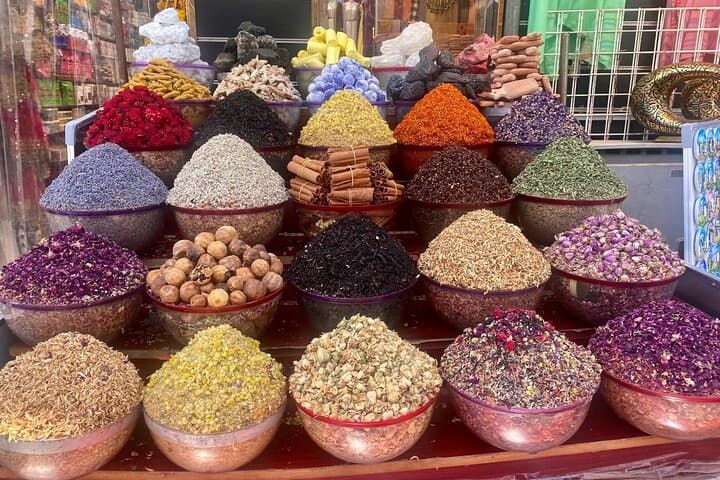
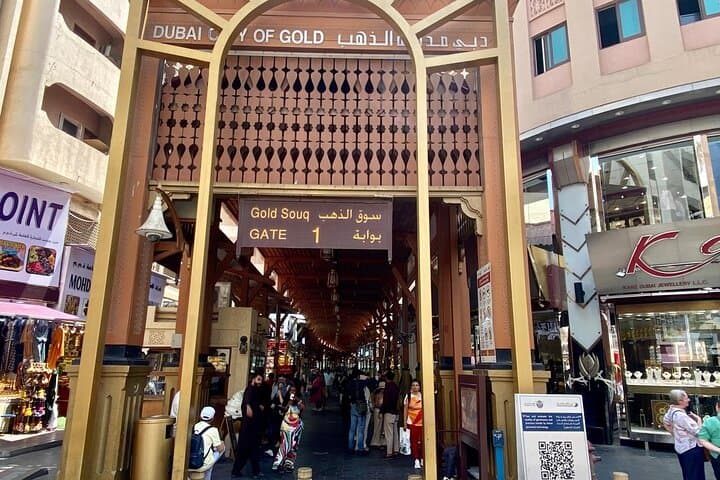
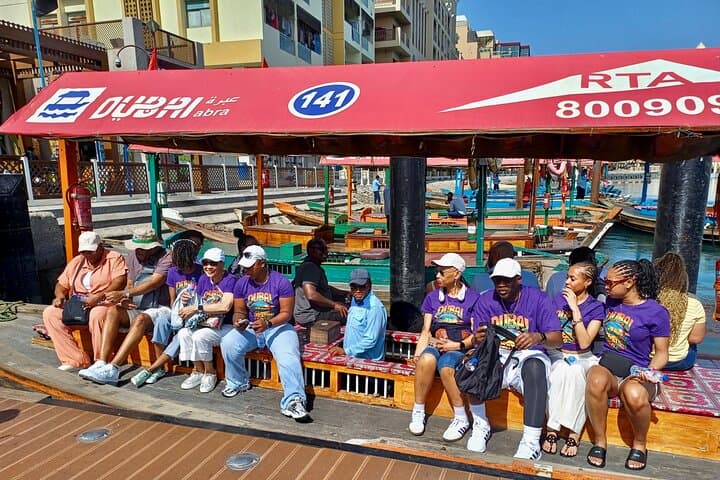
The Spice Souk opens with towers of turmeric, cardamom and dried rose petals; scents push at you like friendly negotiators. The Gold Souk glints under halogen lights where establishments still weigh gold by gram and display traditional designs alongside modern pieces. A short abra ride across the Creek provides a moment of contrast — wooden hulls skim the water that once carried dhows full of frankincense and pearls.
Practical guidance: wear closed-toe walking shoes for uneven pavements, carry small-denomination AED and a card for larger stores, and set aside time to taste or smell before buying spices. Vendors expect bargaining; start at about 50–60% of the asking price and meet in the middle. Mid-morning or late afternoon visits avoid the hottest hours and the biggest crowds.
Bring a reusable water bottle, keep valuables secure, and allow time to drift into Meena Bazaar or the nearby textile alleys; the best finds are often lodged on side streets where craftsmanship still earns its price.
easy.
3–4 hours.
Light walking ability; able to stand and stroll on paved, sometimes uneven streets for several hours.
Yes — the tour includes pickup from your staying location by an air-conditioned vehicle as stated in the itinerary.
No — bottled water is provided but food and lunch are not included, so plan to pay for snacks or meals separately.
Larger shops and many jewelers accept cards, but smaller stalls often prefer cash—carry small-denomination AED for purchases.
The tour notes wheelchair and stroller accessibility, but some souk alleys can be narrow and crowded—check specific pickup and mobility needs with the operator.
Dubai Creek was once a pearling and dhow-trading hub; the souks evolved as specialist markets serving long-distance trade routes across the Indian Ocean.
Conservation efforts around the Creek focus on water quality and preserving historic districts; minimize plastic and support small businesses that follow local sustainability practices.
Best Deal Tourism operates guided outdoor trips and adventures with an emphasis on safety, stewardship, and memorable experiences.
You step off an air-conditioned car into Deira’s narrow lanes and the city rearranges itself: heat and bustle, voices calling, sacks of saffron and trays of glittering karats piled like small fortunes.
You step off an air-conditioned car into Deira’s narrow lanes and the city rearranges itself: heat and bustle, voices calling, sacks of saffron and trays of glittering karats piled like small fortunes.
This four-hour loop threads the historic spine of Dubai Creek — the trade artery that turned a fishing and pearling settlement into a global entrepôt. Geology here is simple: reclaimed flats and tidal creek; culture is layered: Arab, Persian, South Asian and East African traders who shaped the souks’ rules and rhythms.
The Spice Souk opens with towers of turmeric, cardamom and dried rose petals; scents push at you like friendly negotiators. The Gold Souk glints under halogen lights where establishments still weigh gold by gram and display traditional designs alongside modern pieces. A short abra ride across the Creek provides a moment of contrast — wooden hulls skim the water that once carried dhows full of frankincense and pearls.
Practical guidance: wear closed-toe walking shoes for uneven pavements, carry small-denomination AED and a card for larger stores, and set aside time to taste or smell before buying spices. Vendors expect bargaining; start at about 50–60% of the asking price and meet in the middle. Mid-morning or late afternoon visits avoid the hottest hours and the biggest crowds.
Bring a reusable water bottle, keep valuables secure, and allow time to drift into Meena Bazaar or the nearby textile alleys; the best finds are often lodged on side streets where craftsmanship still earns its price.