THE ADVENTURE COLLECTIVE® · Independent discovery and booking for outdoor travel

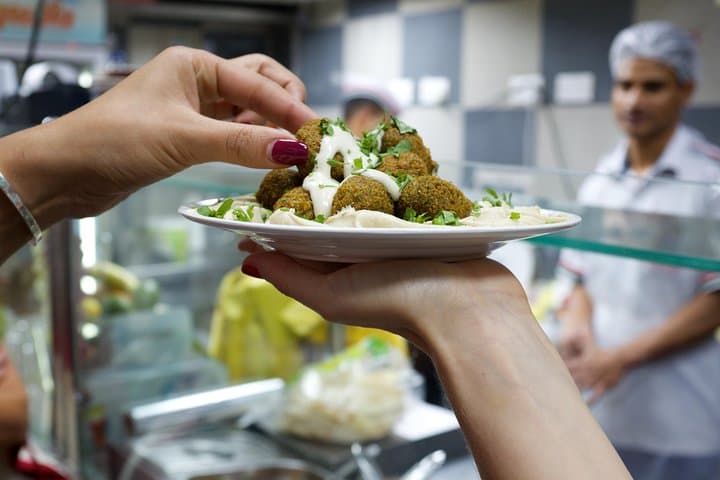
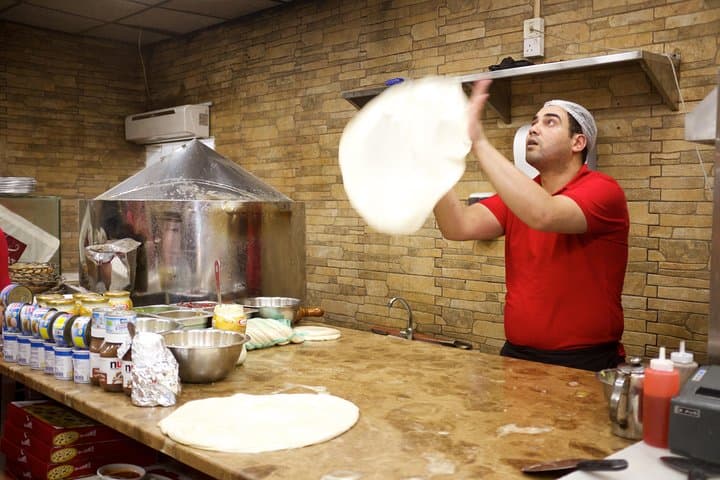
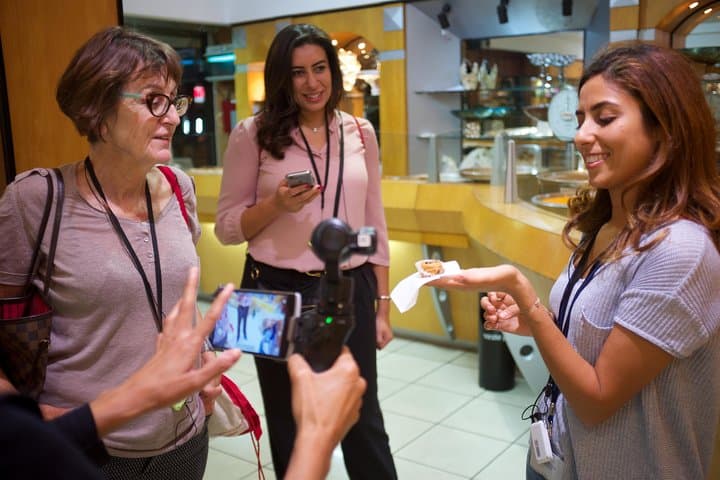
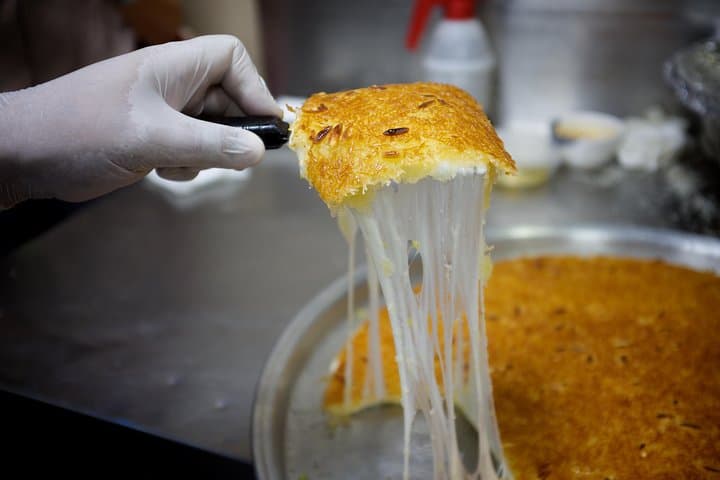
Taste Palestinian falafel, Syrian flatbreads (seasonal), Iraqi smoked fish and Lebanese baklava as you walk the bustling lanes of Deira. This 3–3.5 hour culinary route mixes neighborhood history with hands-on tasting and practical local insight.
Taste Palestinian falafel, Syrian flatbreads (seasonal), Iraqi smoked fish and Lebanese baklava as you walk the bustling lanes of Deira. This 3–3.5 hour culinary route mixes neighborhood history with hands-on tasting and practical local insight.
You step off the Al Rigga Metro into a hot, narrow street where cardamom steam and frying oil meet the salt breeze from Dubai Creek. Vendors shout over one another, a radio crackles Arabic pop behind stacks of flatbread, and the guide — wearing a ‘‘Keep Calm’’ tee — threads the group through Murraggabat toward the first falafel stall.
Verified experiences and guided adventures in the surrounding area.
Operated by Frying Pan Adventures · Dubai, Dubai
You step off the Al Rigga Metro into a hot, narrow street where cardamom steam and frying oil meet the salt breeze from Dubai Creek. Vendors shout over one another, a radio crackles Arabic pop behind stacks of flatbread, and the guide — wearing a ‘‘Keep Calm’’ tee — threads the group through Murraggabat toward the first falafel stall.
Deira grew as a trading hub on the creek, its lanes shaped by boat traffic and migrant workers who brought recipes from Palestine, Lebanon, Syria and Iraq. The route follows that social geography: cafés that sprang up to feed dockworkers, family-run kitchens that preserved old-country techniques, and pastry shops where baklava is trimmed and pressed while you wait. Geology here is coastal plain; the creek’s silty edges guided settlement and commerce rather than peaks and ridges.
Cultural notes matter: Arabic coffee (gahwa) is served slowly as a ritual, spices are measured by memory, and sharing plates is the norm. During summer months (May–Sept) one Syrian stop is omitted, so menus adjust by season and group size.
Practical details: the tour covers roughly 2 km with frequent seated tastings over about 3–3.5 hours. Expect lively, crowded streets, street-level smoke from grills, and tight seating in some eateries. Bring sunscreen, a refillable bottle, and comfortable shoes; tell the operator any allergies at booking — substitutions are limited. This is an urban food walk that pairs sensory exploration with neighborhood history, ideal for travelers who want food first and formal sightseeing second.
easy.
3–3.5 hours.
Suitable for most fitness levels; requires short periods of standing and walking on flat, urban ground.
The route covers approximately 2 km with frequent seated stops; total tour time is about 3–3.5 hours.
Yes — most stops offer vegetarian Levantine dishes like hummus, falafel and za’atar flatbread; notify the operator of preferences in advance.
Tours may be canceled for extreme weather or if fewer than three guests book; you’ll be offered rescheduling or a full refund per policy.
Meeting point is a few steps from Al Rigga Metro station (on the Diva Gents Salon side); the guide wears a ‘Keep Calm’ t-shirt and will be nearby.
Deira’s lanes developed around Dubai Creek’s trading traffic, attracting merchants from across the Middle East and creating the multicultural food scene found today.
Support small family-run eateries and minimize waste by accepting only what you can eat; many local kitchens operate on tight margins and reducing food waste helps sustainability.
Frying Pan Adventures operates guided outdoor trips and adventures with an emphasis on safety, stewardship, and memorable experiences.
You step off the Al Rigga Metro into a hot, narrow street where cardamom steam and frying oil meet the salt breeze from Dubai Creek. Vendors shout over one another, a radio crackles Arabic pop behind stacks of flatbread, and the guide — wearing a ‘‘Keep Calm’’ tee — threads the group through Murraggabat toward the first falafel stall.
You step off the Al Rigga Metro into a hot, narrow street where cardamom steam and frying oil meet the salt breeze from Dubai Creek. Vendors shout over one another, a radio crackles Arabic pop behind stacks of flatbread, and the guide — wearing a ‘‘Keep Calm’’ tee — threads the group through Murraggabat toward the first falafel stall.
Deira grew as a trading hub on the creek, its lanes shaped by boat traffic and migrant workers who brought recipes from Palestine, Lebanon, Syria and Iraq. The route follows that social geography: cafés that sprang up to feed dockworkers, family-run kitchens that preserved old-country techniques, and pastry shops where baklava is trimmed and pressed while you wait. Geology here is coastal plain; the creek’s silty edges guided settlement and commerce rather than peaks and ridges.
Cultural notes matter: Arabic coffee (gahwa) is served slowly as a ritual, spices are measured by memory, and sharing plates is the norm. During summer months (May–Sept) one Syrian stop is omitted, so menus adjust by season and group size.
Practical details: the tour covers roughly 2 km with frequent seated tastings over about 3–3.5 hours. Expect lively, crowded streets, street-level smoke from grills, and tight seating in some eateries. Bring sunscreen, a refillable bottle, and comfortable shoes; tell the operator any allergies at booking — substitutions are limited. This is an urban food walk that pairs sensory exploration with neighborhood history, ideal for travelers who want food first and formal sightseeing second.