THE ADVENTURE COLLECTIVE® · Independent discovery and booking for outdoor travel

Cross Dubai Creek on a traditional abra, wander the fragrant Spice Market and examine hand-crafted jewelry at the Gold Souk on this half-day cultural tour. Perfect for visitors who want a compact, sensory primer on old Dubai and its trading roots.
Cross Dubai Creek on a traditional abra, wander the fragrant Spice Market and examine hand-crafted jewelry at the Gold Souk on this half-day cultural tour. Perfect for visitors who want a compact, sensory primer on old Dubai and its trading roots.
You step off the modern roads and into a narrower city: wind towers cut into the light, wooden abras rock on Dubai Creek and the spice stalls pulse with scent. The abra slips across brown water while gulls and egrets argue at the shore; on the opposite bank, the Gold Souk’s shopfronts flash with chains and filigree that have drawn traders for generations.
Verified experiences and guided adventures in the surrounding area.
Operated by Events Lab L.L.C · Dubai, Dubai
You step off the modern roads and into a narrower city: wind towers cut into the light, wooden abras rock on Dubai Creek and the spice stalls pulse with scent. The abra slips across brown water while gulls and egrets argue at the shore; on the opposite bank, the Gold Souk’s shopfronts flash with chains and filigree that have drawn traders for generations.
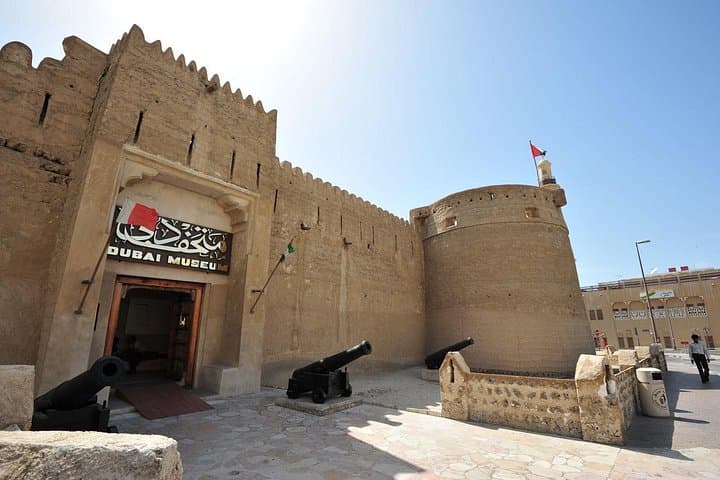
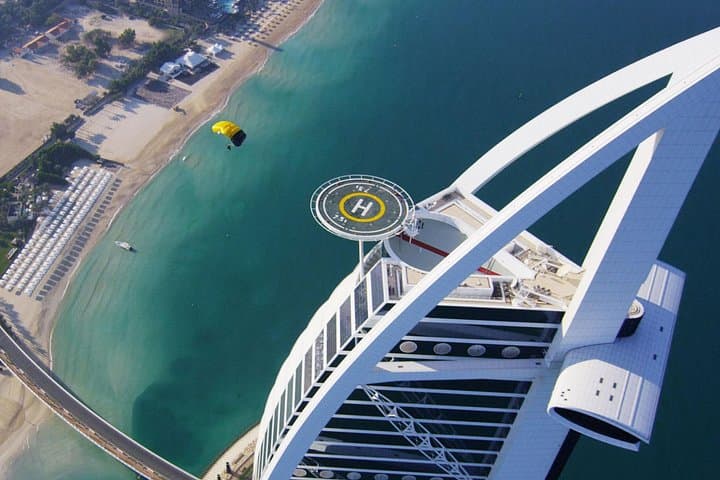
This half-day route threads through Al Fahidi (the old Bastakiya quarter), where narrow lanes and restored merchant houses recall a pre-oil trading port. Al Fahidi Fort, now Dubai Museum, points to the city’s 18th-century defensive past while the creek itself is the artery that turned pearl divers and dhow merchants into international traders. Jumeirah Mosque and a drive past Burj Al Arab provide a quick lesson in contrasts: religious and local life alongside staged modern luxury.
Expect an easy-paced cultural walk, an abra crossing, and guided stops at the museum, Spice Market and Gold Souk, with photography pauses at Jumeirah Mosque. The walking surface is mostly paved but uneven in heritage lanes; shade is limited.
Practical tips: wear modest, smart-casual clothing for mosque views, bring sunscreen and a refillable water bottle, and carry small notes for quick purchases — bargaining is part of the market rhythm. Summer afternoons can be intense; mornings or late afternoons are cooler and better for sensory detail. The experience pairs well with a longer exploration of Al Fahidi’s galleries and the Creek-side cafés if you want to linger.
easy.
3–4 hours.
Suitable for travelers in average physical condition who can walk 1–2 miles on mostly paved but uneven surfaces.
Yes — the tour includes time to visit the Gold Souk with free time to browse; purchases are at your own expense.
No — the traditional abra used on this tour is not wheelchair accessible; shore-side ramps and transportation are accessible, but the water taxi is not.
A current valid passport is required on the day of travel; bring it for identification during pickup or if requested at any site.
Tipping is customary but discretionary; small tips for guides and drivers are appreciated for good service.
Dubai Creek has been the city’s economic spine for centuries—pearling and dhow trade shaped early settlements; Al Fahidi Fort (late 18th century) now houses the Dubai Museum.
The creek and nearby mangroves are under active conservation; visitors should avoid littering, support local vendors, and follow any posted rules to protect sensitive waterways.
Events Lab L.L.C operates guided outdoor trips and adventures with an emphasis on safety, stewardship, and memorable experiences.
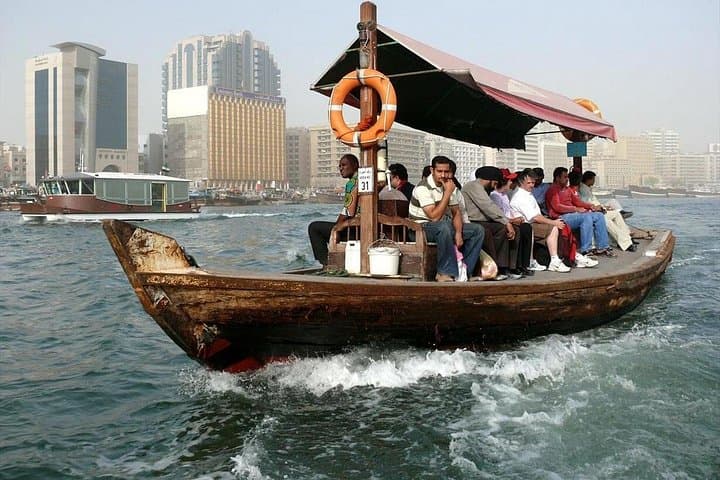
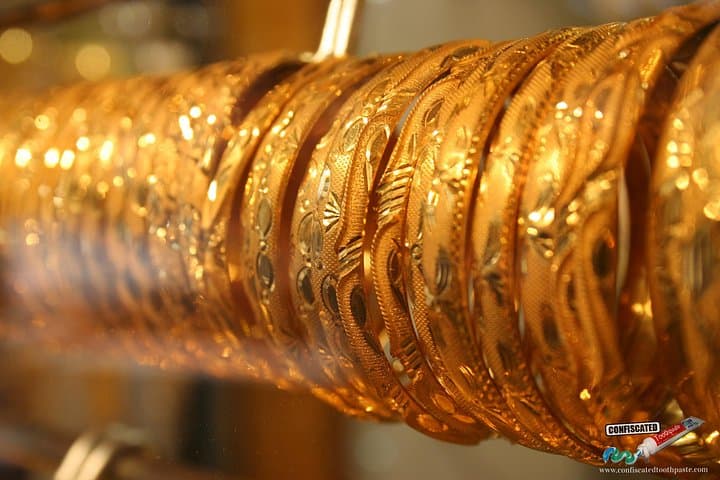
You step off the modern roads and into a narrower city: wind towers cut into the light, wooden abras rock on Dubai Creek and the spice stalls pulse with scent. The abra slips across brown water while gulls and egrets argue at the shore; on the opposite bank, the Gold Souk’s shopfronts flash with chains and filigree that have drawn traders for generations.
You step off the modern roads and into a narrower city: wind towers cut into the light, wooden abras rock on Dubai Creek and the spice stalls pulse with scent. The abra slips across brown water while gulls and egrets argue at the shore; on the opposite bank, the Gold Souk’s shopfronts flash with chains and filigree that have drawn traders for generations.
This half-day route threads through Al Fahidi (the old Bastakiya quarter), where narrow lanes and restored merchant houses recall a pre-oil trading port. Al Fahidi Fort, now Dubai Museum, points to the city’s 18th-century defensive past while the creek itself is the artery that turned pearl divers and dhow merchants into international traders. Jumeirah Mosque and a drive past Burj Al Arab provide a quick lesson in contrasts: religious and local life alongside staged modern luxury.
Expect an easy-paced cultural walk, an abra crossing, and guided stops at the museum, Spice Market and Gold Souk, with photography pauses at Jumeirah Mosque. The walking surface is mostly paved but uneven in heritage lanes; shade is limited.
Practical tips: wear modest, smart-casual clothing for mosque views, bring sunscreen and a refillable water bottle, and carry small notes for quick purchases — bargaining is part of the market rhythm. Summer afternoons can be intense; mornings or late afternoons are cooler and better for sensory detail. The experience pairs well with a longer exploration of Al Fahidi’s galleries and the Creek-side cafés if you want to linger.