THE ADVENTURE COLLECTIVE® · Independent discovery and booking for outdoor travel

Walk through 400 years of Old Delhi—from the Red Fort to Jama Masjid—threading past spice sacks, goldsmith alleys, and street-food stalls. This 3–4 hour tour pairs historical context with local flavors and a final rickshaw ride through Chandni Chowk.
Walk through 400 years of Old Delhi—from the Red Fort to Jama Masjid—threading past spice sacks, goldsmith alleys, and street-food stalls. This 3–4 hour tour pairs historical context with local flavors and a final rickshaw ride through Chandni Chowk.
You step from a humid Delhi street into a corridor of sound—hawkers calling, cycle rickshaws threading through alleys, and the scent of frying spices pulling you deeper. The tour begins near the Red Fort’s red sandstone silhouette, then flows through Jama Masjid’s broad courtyard into the tight, bustling lanes of Chandni Chowk, where every turn reveals another layer of city life.
Verified experiences and guided adventures in the surrounding area.
Operated by Thalasa Travels · New Delhi, Delhi
You step from a humid Delhi street into a corridor of sound—hawkers calling, cycle rickshaws threading through alleys, and the scent of frying spices pulling you deeper. The tour begins near the Red Fort’s red sandstone silhouette, then flows through Jama Masjid’s broad courtyard into the tight, bustling lanes of Chandni Chowk, where every turn reveals another layer of city life.
These streets carry four centuries of Mughal-era history: imperial architecture, merchant lanes that grew around the spice trade, and community temples and mosques that shaped Old Delhi’s urban fabric. Geologically, you’re walking on alluvial plains deposited by the nearby Yamuna; the soft ground encouraged dense, irregular development rather than wide-angled planning, which is why the lanes feel claustrophobic and immediate.
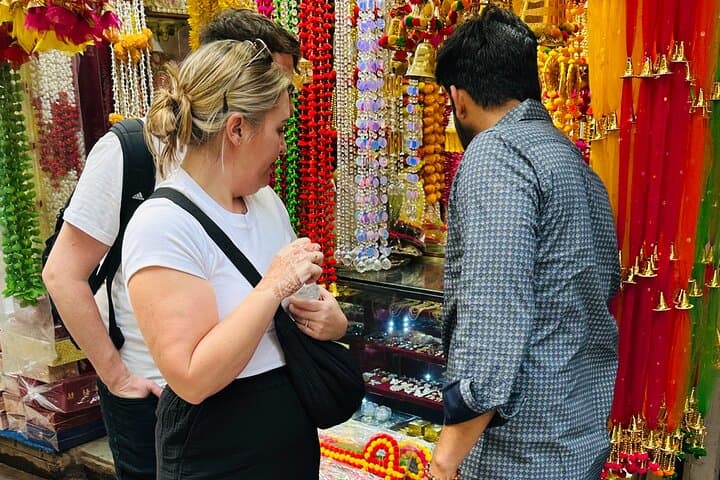
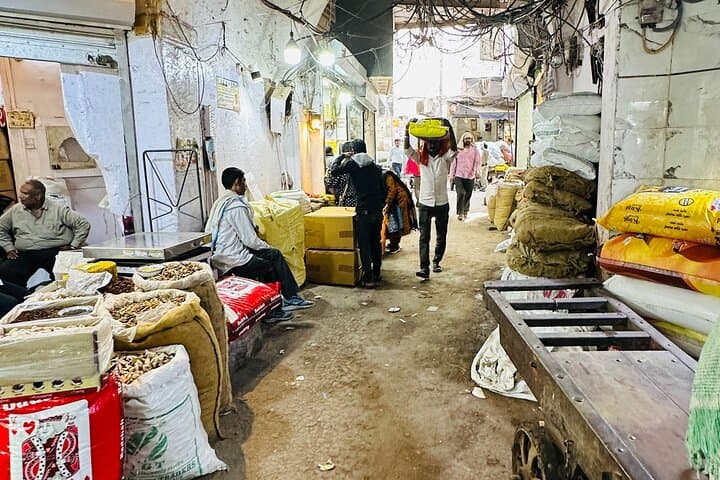
Culturally, the walk is a lesson in craft and cuisine—dariba goldsmith alleys, fabric shops, and Asia’s largest spice market where sacks of turmeric and chili crowd the path. Local guides—often historians—translate the bustle into context, pointing out Jain mandirs, Mughal houses, and the living economy of street food: chole bhature, jalebi, and that decisive cup of masala chai.
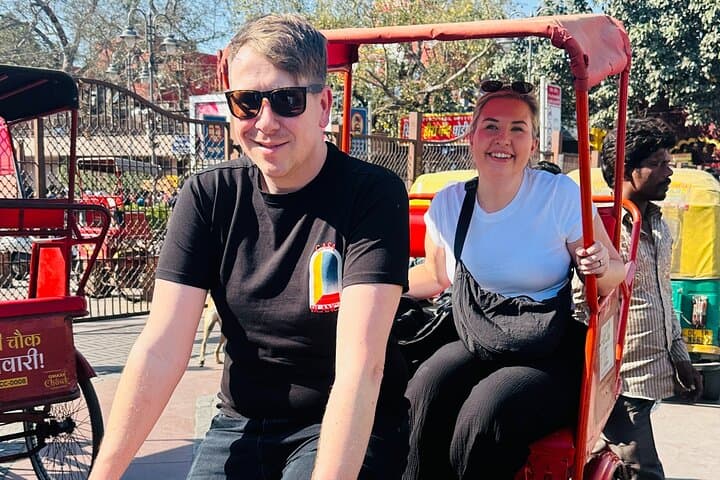
Practical guidance: wear sturdy shoes and carry water; lanes are uneven and crowded. Keep small notes for purchases and the modest Jama Masjid entry fee; respect prayer spaces and ask before photographing people. The rickshaw ride at the end is a slow, intimate way to exit the maze.
This is an easy, immersive urban walk best done in the cooler morning hours to avoid peak heat, offering a dense dose of history, flavor, and city rhythm in three to four hours.
easy.
3–4 hours.
Suitable for most fitness levels; involves continuous walking on urban terrain and some standing.
No, the tour notes that the tourist fee (about ₹350 per person) must be paid separately at Jama Masjid.
Yes; the operator lists the tour as physically easy and offers infant seats—expect close quarters and busy streets.
The experience centers around the Red Fort/Chandni Chowk area and concludes with a cycle rickshaw ride returning toward the starting point.
You can sample street snacks provided on the tour, but discuss any dietary restrictions with the guide beforehand so alternatives can be suggested.
Old Delhi grew rapidly under Mughal patronage in the 17th century; lanes and markets developed around imperial gates and trade routes, especially for spices and textiles.
Street waste and plastic are local issues—use refillable bottles and refuse single-use plastics; respect shopfronts and avoid disruptive behavior.
Thalasa Travels operates guided outdoor trips and adventures with an emphasis on safety, stewardship, and memorable experiences.
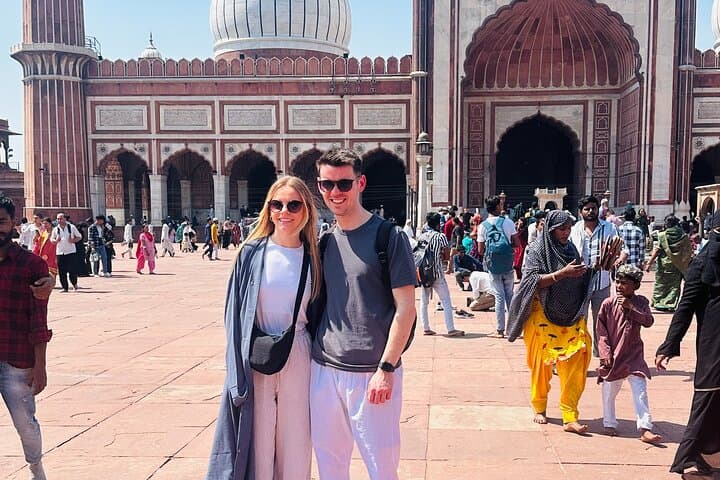
You step from a humid Delhi street into a corridor of sound—hawkers calling, cycle rickshaws threading through alleys, and the scent of frying spices pulling you deeper. The tour begins near the Red Fort’s red sandstone silhouette, then flows through Jama Masjid’s broad courtyard into the tight, bustling lanes of Chandni Chowk, where every turn reveals another layer of city life.
You step from a humid Delhi street into a corridor of sound—hawkers calling, cycle rickshaws threading through alleys, and the scent of frying spices pulling you deeper. The tour begins near the Red Fort’s red sandstone silhouette, then flows through Jama Masjid’s broad courtyard into the tight, bustling lanes of Chandni Chowk, where every turn reveals another layer of city life.
These streets carry four centuries of Mughal-era history: imperial architecture, merchant lanes that grew around the spice trade, and community temples and mosques that shaped Old Delhi’s urban fabric. Geologically, you’re walking on alluvial plains deposited by the nearby Yamuna; the soft ground encouraged dense, irregular development rather than wide-angled planning, which is why the lanes feel claustrophobic and immediate.
Culturally, the walk is a lesson in craft and cuisine—dariba goldsmith alleys, fabric shops, and Asia’s largest spice market where sacks of turmeric and chili crowd the path. Local guides—often historians—translate the bustle into context, pointing out Jain mandirs, Mughal houses, and the living economy of street food: chole bhature, jalebi, and that decisive cup of masala chai.
Practical guidance: wear sturdy shoes and carry water; lanes are uneven and crowded. Keep small notes for purchases and the modest Jama Masjid entry fee; respect prayer spaces and ask before photographing people. The rickshaw ride at the end is a slow, intimate way to exit the maze.
This is an easy, immersive urban walk best done in the cooler morning hours to avoid peak heat, offering a dense dose of history, flavor, and city rhythm in three to four hours.