THE ADVENTURE COLLECTIVE® · Independent discovery and booking for outdoor travel

Taste your way through Old Delhi on a four‑hour guided walk and tuk‑tuk ride that strings together pani puris, parathas, spice alleys and a visit to Jama Masjid. Practical tips on timing, payments, and spice sensitivity keep the focus on flavor and comfort.
Taste your way through Old Delhi on a four‑hour guided walk and tuk‑tuk ride that strings together pani puris, parathas, spice alleys and a visit to Jama Masjid. Practical tips on timing, payments, and spice sensitivity keep the focus on flavor and comfort.
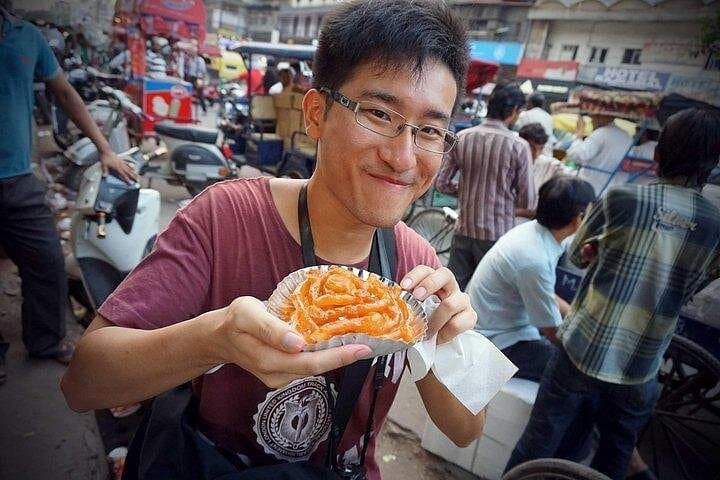
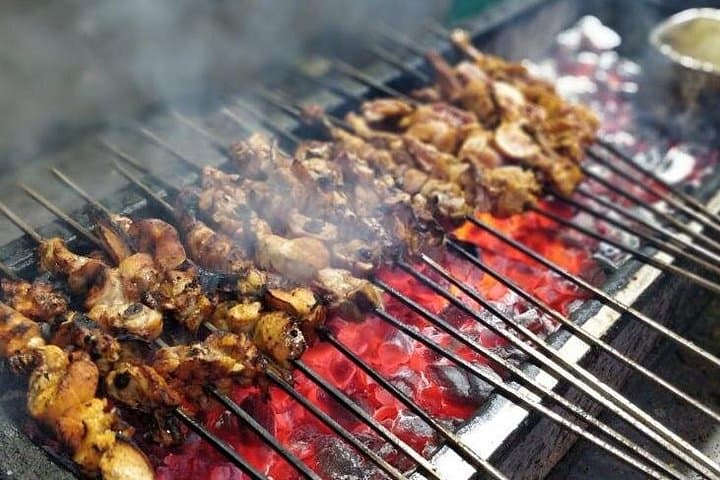
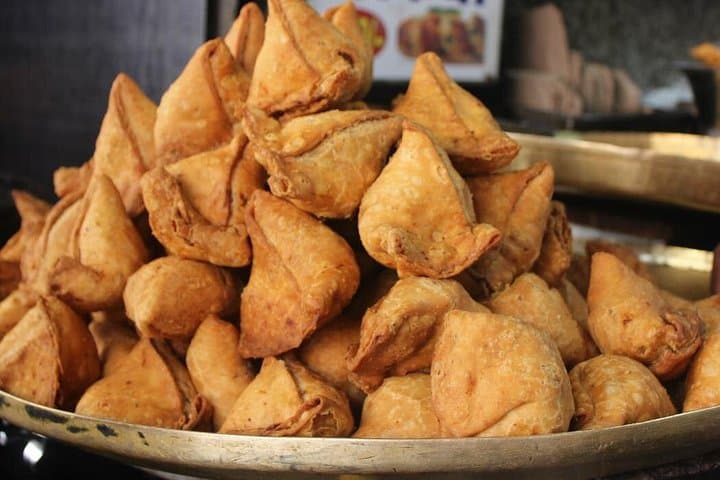
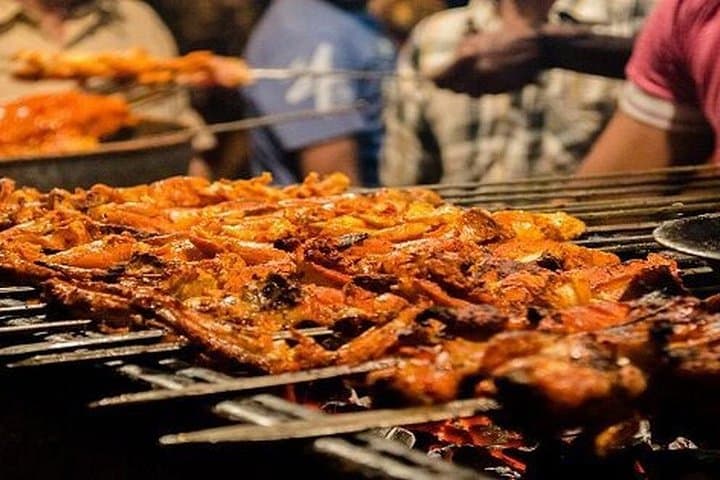
The tuk‑tuk eases into a lane that smells of frying oil and crushed spices; stalls crowd the pavement, steam rising like the city itself exhaling. You step down into Chandni Chowk where narrow alleys push you forward, vendors call out in practiced rhythm, and pani puris dare you to take the first bite.
Verified experiences and guided adventures in the surrounding area.
Operated by Luxe Timetravel · New Delhi, Delhi
The tuk‑tuk eases into a lane that smells of frying oil and crushed spices; stalls crowd the pavement, steam rising like the city itself exhaling. You step down into Chandni Chowk where narrow alleys push you forward, vendors call out in practiced rhythm, and pani puris dare you to take the first bite.
Chandni Chowk dates to the 17th century, laid out by Shah Jahan as a marketplace beside the Yamuna's alluvial plain. The area’s heritage sits shoulder to shoulder with its cuisine: Mughal kitchens, colonial-era shops, and spice traders from Khari Baoli have layered flavors over centuries. Geology matters here too—the flat floodplain shaped settlement patterns and trade corridors that made Old Delhi a crossroads of produce and taste.
Culturally, food is both ritual and commerce; a visit to a Sikh gurdwara’s langar reveals communal cooking practiced daily. Local guides will point out architectural cues—mughal arches, colonial façades, and the massive courtyard of Jama Masjid—tying dishes to history as you move.
Practical guidance: this is a four‑hour walking and tuk‑tuk tour, best started in the cooler morning or early evening to avoid peak heat. Carry small change; many stalls are cash‑preferred. If you have spice sensitivity, tell your guide—most vendors will tame chilies on request. Wear comfortable, closed shoes for stepping on uneven stone and avoid bulky bags in crowded lanes. Hydrate often; bottled water and cool Indian drinks are usually provided, but a personal bottle helps reduce plastic waste.
The route balances tastings, market stops, and short cultural visits—expect vivid sensory layers, brisk pacing, and a savory education in Old Delhi’s edible history.
easy.
4 hours.
Light walking ability; participants should be comfortable standing and walking short distances between tastings.
Yes—Old Delhi has abundant vegetarian options; vendors and guides can tailor tastings to vegetarian diets.
The tour involves walking and narrow lanes; it may be difficult for those with significant mobility issues—contact the operator for accessibility options.
Tastings listed in the itinerary are included; additional purchases or larger portions are typically paid for on site.
Gratuities are appreciated but discretionary; 10–15% of the tour cost or a small cash amount to the guide is common.
Chandni Chowk was established in the 17th century under Shah Jahan and grew as a commercial artery beside the Yamuna; food culture reflects Mughal, Persian, and local Hindu influences.
Street food generates waste—bring a reusable bottle, avoid single‑use plastics when possible, and follow your guide’s advice on hygienic stalls to support sustainable vendors.
Luxe Timetravel operates guided outdoor trips and adventures with an emphasis on safety, stewardship, and memorable experiences.
The tuk‑tuk eases into a lane that smells of frying oil and crushed spices; stalls crowd the pavement, steam rising like the city itself exhaling. You step down into Chandni Chowk where narrow alleys push you forward, vendors call out in practiced rhythm, and pani puris dare you to take the first bite.
The tuk‑tuk eases into a lane that smells of frying oil and crushed spices; stalls crowd the pavement, steam rising like the city itself exhaling. You step down into Chandni Chowk where narrow alleys push you forward, vendors call out in practiced rhythm, and pani puris dare you to take the first bite.
Chandni Chowk dates to the 17th century, laid out by Shah Jahan as a marketplace beside the Yamuna's alluvial plain. The area’s heritage sits shoulder to shoulder with its cuisine: Mughal kitchens, colonial-era shops, and spice traders from Khari Baoli have layered flavors over centuries. Geology matters here too—the flat floodplain shaped settlement patterns and trade corridors that made Old Delhi a crossroads of produce and taste.
Culturally, food is both ritual and commerce; a visit to a Sikh gurdwara’s langar reveals communal cooking practiced daily. Local guides will point out architectural cues—mughal arches, colonial façades, and the massive courtyard of Jama Masjid—tying dishes to history as you move.
Practical guidance: this is a four‑hour walking and tuk‑tuk tour, best started in the cooler morning or early evening to avoid peak heat. Carry small change; many stalls are cash‑preferred. If you have spice sensitivity, tell your guide—most vendors will tame chilies on request. Wear comfortable, closed shoes for stepping on uneven stone and avoid bulky bags in crowded lanes. Hydrate often; bottled water and cool Indian drinks are usually provided, but a personal bottle helps reduce plastic waste.
The route balances tastings, market stops, and short cultural visits—expect vivid sensory layers, brisk pacing, and a savory education in Old Delhi’s edible history.