THE ADVENTURE COLLECTIVE® · Independent discovery and booking for outdoor travel

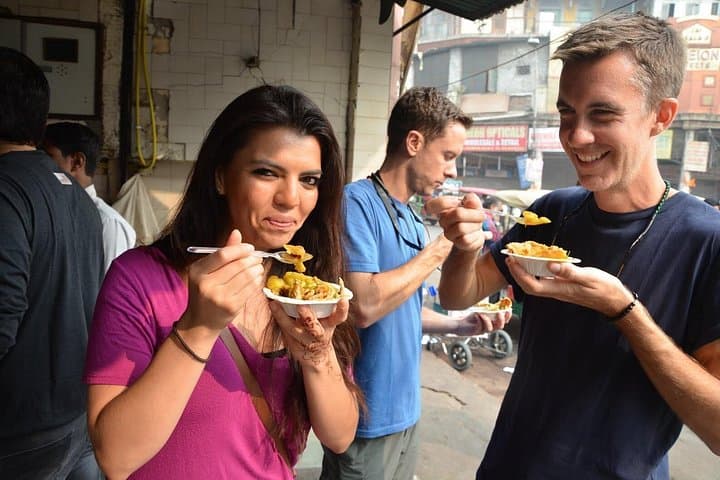
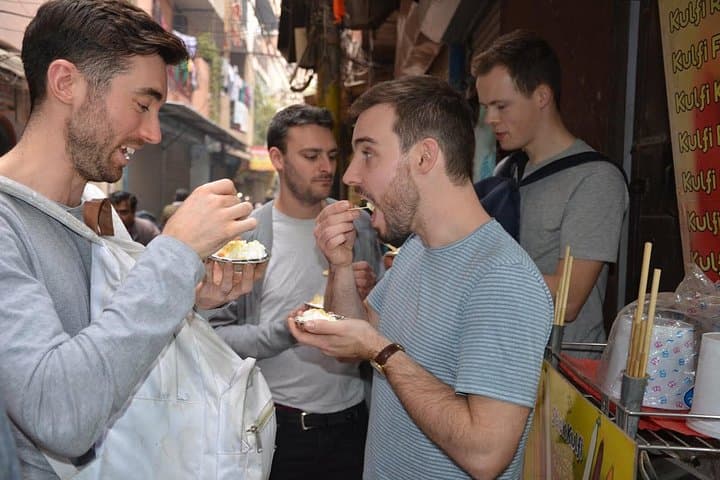
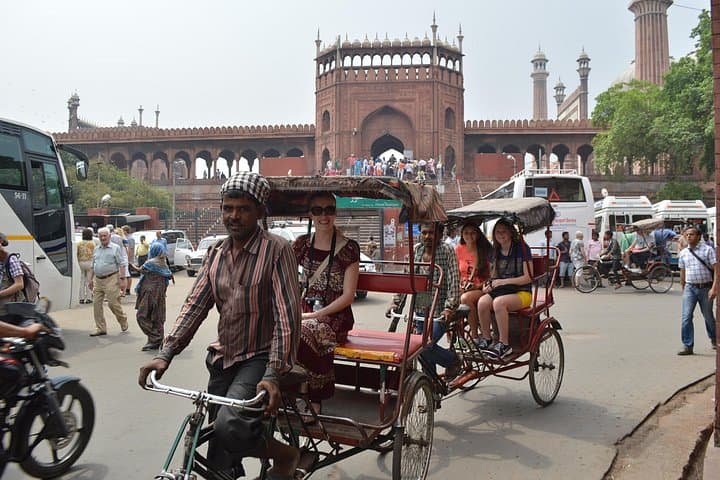
Navigate the spice-scented lanes of Old Delhi with a local storyteller-photographer. This four-hour walking and rickshaw tour blends street-food tastings, historical context, and hands-on photo opportunities—ending at Masterji Kee Haveli for family recipes and rooftop views.
Navigate the spice-scented lanes of Old Delhi with a local storyteller-photographer. This four-hour walking and rickshaw tour blends street-food tastings, historical context, and hands-on photo opportunities—ending at Masterji Kee Haveli for family recipes and rooftop views.
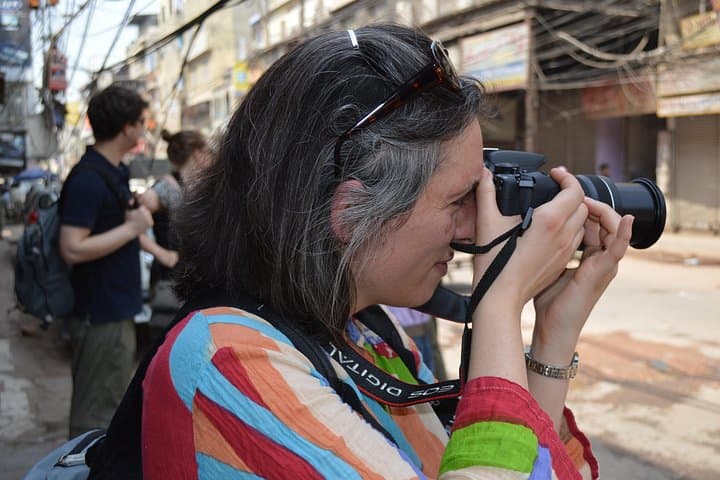
You step out under a corrugated canopy and the city closes in: rickshaw bells, vendors calling, and the dry, sharp scent of cumin and fennel pushing through the alleys. A local guide—also your photographer—threads you through narrow lanes, pausing where sunlight slices between buildings to frame a spice-laden stall or a tea vendor pouring froth into clay cups.
Verified experiences and guided adventures in the surrounding area.
Operated by Masterji kee haveli dot com · New Delhi, Delhi
You step out under a corrugated canopy and the city closes in: rickshaw bells, vendors calling, and the dry, sharp scent of cumin and fennel pushing through the alleys. A local guide—also your photographer—threads you through narrow lanes, pausing where sunlight slices between buildings to frame a spice-laden stall or a tea vendor pouring froth into clay cups.
Old Delhi grew up around Shah Jahan’s capital; the lanes here date to the Mughal era and Khari Baoli has operated as Asia’s largest wholesale spice market since the 1600s. The architecture is plain where life is busy—shopfronts, carved wood balconies, and the enduring Masterji Kee Haveli, maintained by descendants who keep family recipes alive. The tour combines oral history, food culture, and photography technique, offering close-up street portraits and wide-angle shots from low rickshaw seats.
Practically, expect about 3–4 hours of slow walking with short rickshaw hops over roughly 2–3 km across flat, paved lanes. Wear closed-toe shoes for uneven stones and stay hydrated—bottled water is provided. Plan for early-morning light or late-afternoon warmth to avoid the harsh midday heat and the densest crowds. Bring modest clothing and cash for small purchases; always ask before photographing people.
This is immersive urban travel: part food crawl, part cultural history lesson, and part photography fieldwork. It’s best for curious travelers who want sensory detail, clear local context, and a comfortable pace that leaves room for tasting, shooting, and conversation.
easy.
4 hours.
Suitable for most fitness levels; expect flat walking on uneven pavement for several short stretches
The operator selects well-known, hygienic vendors and family-run kitchens; if you have a sensitive stomach, choose cooked items and avoid raw or unfamiliar street salads.
Yes — many vendors cater to vegetarian diets; notify the operator at booking and they will adjust tasting stops accordingly.
Yes — the pace is gentle with short rickshaw hops; inform the guide about mobility concerns so they can adapt the route.
Yes — the guide acts as a photographer and offers composition tips, ideal viewpoints, and quick settings advice for smartphones and cameras.
Old Delhi was laid out during the Mughal period; many commercial lanes like Khari Baoli date back to the 17th century and grew as wholesale markets for spices and grains.
Street markets generate significant waste and congestion—opt for reusable bottles, avoid single-use plastics where possible, and support family-run shops to keep economic benefits local.
Masterji kee haveli dot com operates guided outdoor trips and adventures with an emphasis on safety, stewardship, and memorable experiences.
You step out under a corrugated canopy and the city closes in: rickshaw bells, vendors calling, and the dry, sharp scent of cumin and fennel pushing through the alleys. A local guide—also your photographer—threads you through narrow lanes, pausing where sunlight slices between buildings to frame a spice-laden stall or a tea vendor pouring froth into clay cups.
You step out under a corrugated canopy and the city closes in: rickshaw bells, vendors calling, and the dry, sharp scent of cumin and fennel pushing through the alleys. A local guide—also your photographer—threads you through narrow lanes, pausing where sunlight slices between buildings to frame a spice-laden stall or a tea vendor pouring froth into clay cups.
Old Delhi grew up around Shah Jahan’s capital; the lanes here date to the Mughal era and Khari Baoli has operated as Asia’s largest wholesale spice market since the 1600s. The architecture is plain where life is busy—shopfronts, carved wood balconies, and the enduring Masterji Kee Haveli, maintained by descendants who keep family recipes alive. The tour combines oral history, food culture, and photography technique, offering close-up street portraits and wide-angle shots from low rickshaw seats.
Practically, expect about 3–4 hours of slow walking with short rickshaw hops over roughly 2–3 km across flat, paved lanes. Wear closed-toe shoes for uneven stones and stay hydrated—bottled water is provided. Plan for early-morning light or late-afternoon warmth to avoid the harsh midday heat and the densest crowds. Bring modest clothing and cash for small purchases; always ask before photographing people.
This is immersive urban travel: part food crawl, part cultural history lesson, and part photography fieldwork. It’s best for curious travelers who want sensory detail, clear local context, and a comfortable pace that leaves room for tasting, shooting, and conversation.