THE ADVENTURE COLLECTIVE® · Independent discovery and booking for outdoor travel

Explore Chandni Chowk with a local guide on a 2.5‑hour private walk through silver lanes, spice alleys, and famous street‑food stops. Learn where to buy textiles, jewelry, and spices while navigating narrow, bustling bazaars.
Explore Chandni Chowk with a local guide on a 2.5‑hour private walk through silver lanes, spice alleys, and famous street‑food stops. Learn where to buy textiles, jewelry, and spices while navigating narrow, bustling bazaars.
A guided walk through Chandni Chowk drops travelers into a pulse of sound and smell: bicycle rickshaws threading narrow lanes, vendors calling out over piles of spices, and sun glinting off brass and silver in Dariba Kalan.
Verified experiences and guided adventures in the surrounding area.
Operated by India City Walks · New Delhi, Delhi
A guided walk through Chandni Chowk drops travelers into a pulse of sound and smell: bicycle rickshaws threading narrow lanes, vendors calling out over piles of spices, and sun glinting off brass and silver in Dariba Kalan.
The route follows a 17th‑century commercial spine laid out under Mughal patronage—markets that grew up around caravan routes and religious sites. Architecturally, narrow bazaars and tightly packed havelis frame the streets; culturally, the area is a living market where Sikh gurdwaras, Jain shops, and Muslim sweetmakers operate side by side.
On this 2.5‑hour private tour a guide points out stops at Gurudwara Sis Ganj, a jalebi stall at Old and Famous Jalebiwala, Kinari Bazaar for laces, Paranthe Wali Gali for stuffed breads, and Khari Baoli, Asia’s largest spice market. Expect uneven pavements, sudden crowds, and sensory overload as spices, perfumes, and textiles compete for attention.
Practical guidance: go early to avoid peak heat and crowds, carry small-denomination cash for haggling, and wear closed-toe shoes for narrow, busy lanes. Bring water and plan for frequent stops to sample street snacks. If you have mobility limitations, notify the operator in advance—lanes are often too tight for wheelchairs.
This walk is as much about people and commerce as it is about goods: bargaining is customary, photography is common but polite consent is best, and supporting family-run stalls helps keep centuries-old trades alive.
moderate.
2–3 hours.
Moderate urban walking fitness—comfortable standing and walking for 2–3 hours with short stops.
The private guided walk runs about 2.5 hours and covers Chandni Chowk’s main lanes and markets.
Yes—children can enjoy the sights and snacks, but keep them close in crowded lanes and watch for traffic and bicycles.
No—many lanes are narrow and crowded; large luggage and most strollers are impractical on this route.
Guides typically point out and stop at vendors like Jalebiwala and Paranthe Wali Gali where you can buy samples, but food costs are usually extra.
Chandni Chowk dates to the 17th century, laid out during Shah Jahan’s reign as a principal commercial axis of Old Delhi.
Heavy foot traffic and waste are ongoing challenges; support local businesses, avoid single‑use plastics, and follow guide instructions to minimize impact.
India City Walks operates guided outdoor trips and adventures with an emphasis on safety, stewardship, and memorable experiences.
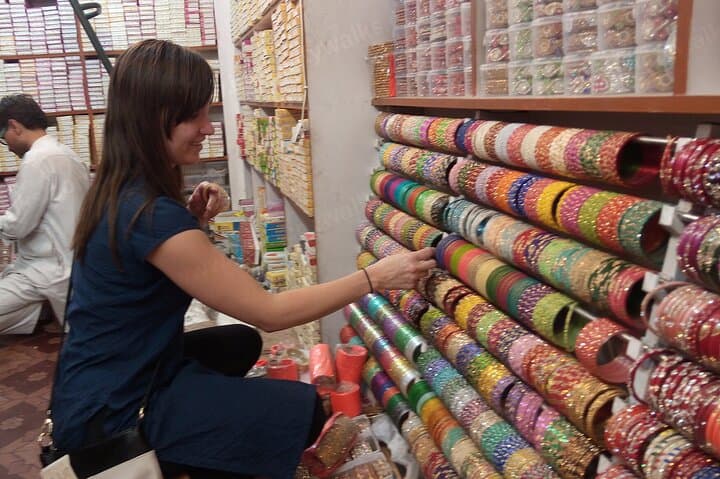
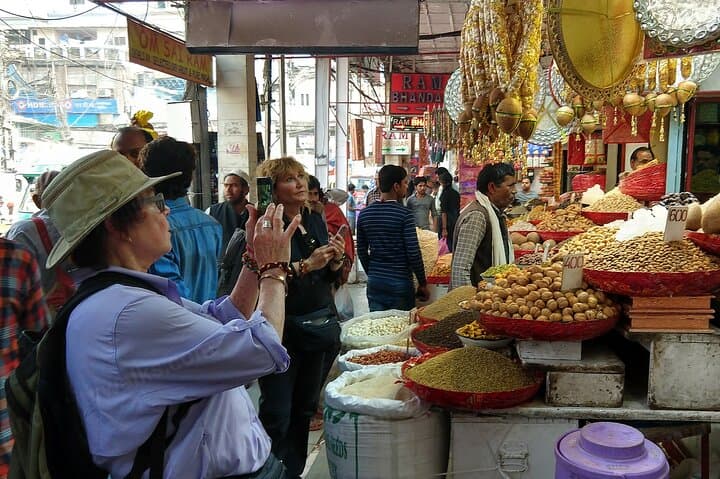
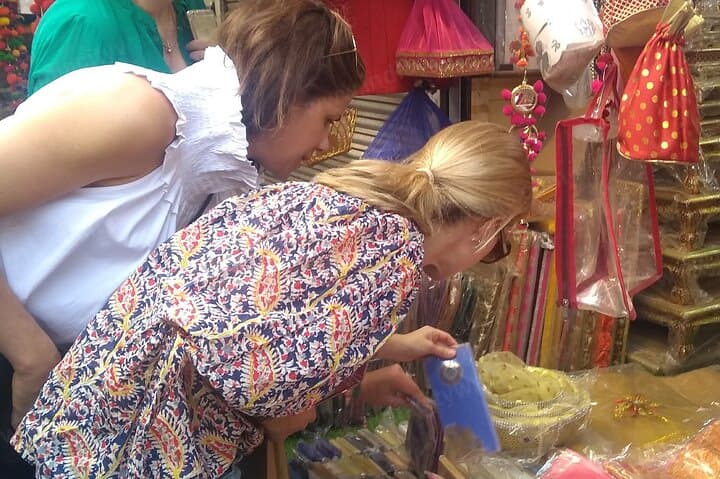
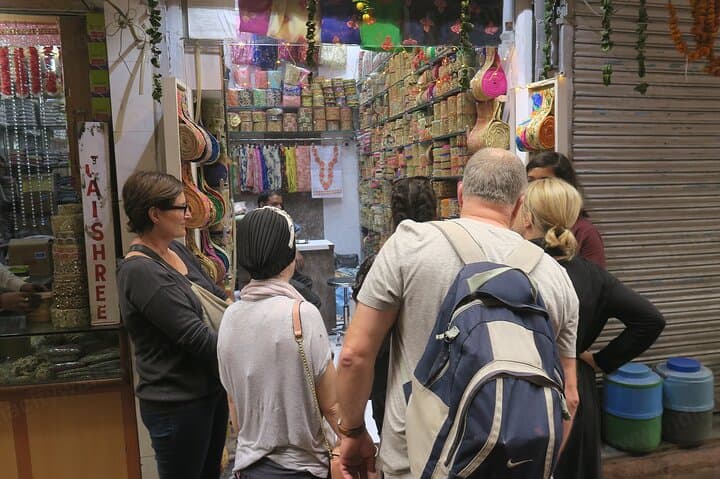
A guided walk through Chandni Chowk drops travelers into a pulse of sound and smell: bicycle rickshaws threading narrow lanes, vendors calling out over piles of spices, and sun glinting off brass and silver in Dariba Kalan.
A guided walk through Chandni Chowk drops travelers into a pulse of sound and smell: bicycle rickshaws threading narrow lanes, vendors calling out over piles of spices, and sun glinting off brass and silver in Dariba Kalan.
The route follows a 17th‑century commercial spine laid out under Mughal patronage—markets that grew up around caravan routes and religious sites. Architecturally, narrow bazaars and tightly packed havelis frame the streets; culturally, the area is a living market where Sikh gurdwaras, Jain shops, and Muslim sweetmakers operate side by side.
On this 2.5‑hour private tour a guide points out stops at Gurudwara Sis Ganj, a jalebi stall at Old and Famous Jalebiwala, Kinari Bazaar for laces, Paranthe Wali Gali for stuffed breads, and Khari Baoli, Asia’s largest spice market. Expect uneven pavements, sudden crowds, and sensory overload as spices, perfumes, and textiles compete for attention.
Practical guidance: go early to avoid peak heat and crowds, carry small-denomination cash for haggling, and wear closed-toe shoes for narrow, busy lanes. Bring water and plan for frequent stops to sample street snacks. If you have mobility limitations, notify the operator in advance—lanes are often too tight for wheelchairs.
This walk is as much about people and commerce as it is about goods: bargaining is customary, photography is common but polite consent is best, and supporting family-run stalls helps keep centuries-old trades alive.