THE ADVENTURE COLLECTIVE® · Independent discovery and booking for outdoor travel

A private four‑hour tour that pairs Kotor's narrow medieval streets with Perast's baroque calm and a short boat ride to the man‑made island of Our Lady of the Rocks. Expect hands‑on local stories, coastal geology, and practical tips for smooth crossings.
A private four‑hour tour that pairs Kotor's narrow medieval streets with Perast's baroque calm and a short boat ride to the man‑made island of Our Lady of the Rocks. Expect hands‑on local stories, coastal geology, and practical tips for smooth crossings.
The boat slips away from Kotor's stone quay in a breath of salt and diesel; gulls wheel low, daring the bow, and the fortified walls of the old town recede into a jagged silhouette. On the water, the Bay of Kotor feels like a fjord gone Mediterranean—steep gray limestone rising straight from glassy channels, villages clinging to terraces where centuries of sailors kept watch. This four‑hour private tour stitches three lives together: Kotor's medieval lanes, Perast's baroque hush, and the tiny man‑made island with a church that reads like a ship's log carved in fresco.
Verified experiences and guided adventures in the surrounding area.
Operated by Private Tours Montenegro w/ Ana · Kotor, Kotor Municipality
The boat slips away from Kotor's stone quay in a breath of salt and diesel; gulls wheel low, daring the bow, and the fortified walls of the old town recede into a jagged silhouette. On the water, the Bay of Kotor feels like a fjord gone Mediterranean—steep gray limestone rising straight from glassy channels, villages clinging to terraces where centuries of sailors kept watch. This four‑hour private tour stitches three lives together: Kotor's medieval lanes, Perast's baroque hush, and the tiny man‑made island with a church that reads like a ship's log carved in fresco.
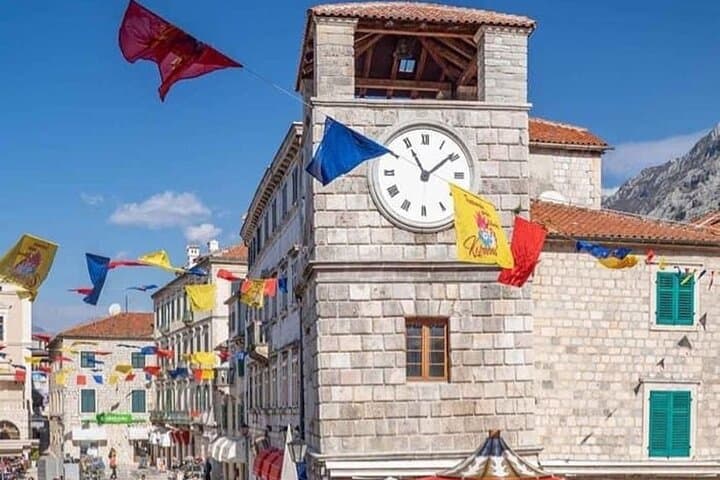
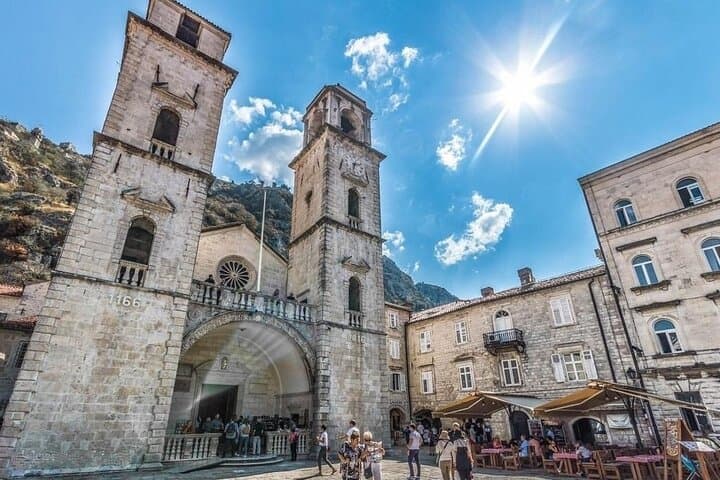
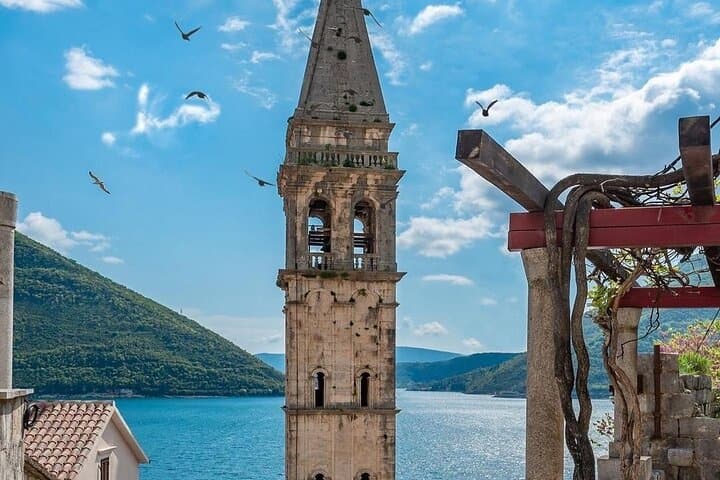
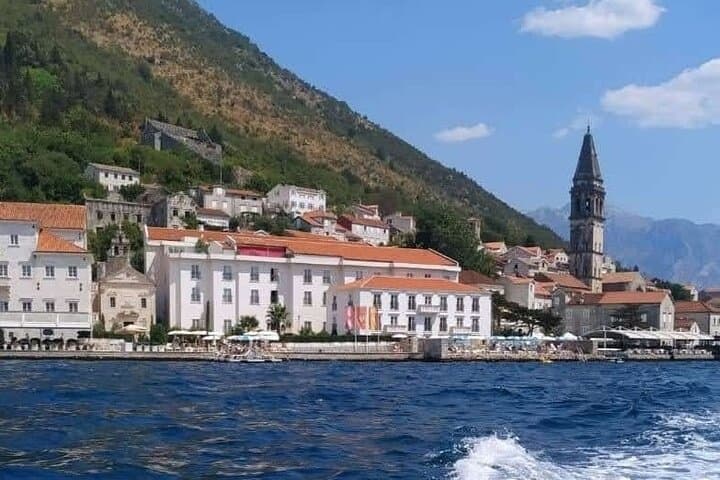
Kotor wears its history plainly. Foundations here date to Roman times, while the Venetian Republic left a grammar of narrow streets, tiled roofs and Gothic portals that still guide the city's rhythm. Perast, a 20‑minute ride north along the bay, was once Kotor's rival—its prosperity built on seafaring and mussel farms. Between them, Our Lady of the Rocks (Gospa od Škrpjela) is the most theatrical chapter: a rock is said to have been thrown into the channel by sailors in the 15th century; the island grew as successive generations laid stones and prayers until a church rose, gilded with votive paintings and silver ex‑votos from captains who returned—or did not.
Geology gives the place its drama. The Dinaric Alps plummet into the Bay of Kotor on fault lines that twist and fold limestone into steep ridges, making the waterway narrow and echoing. That enclosed geometry moderates weather—mornings can be glassy calm, afternoons brisk with channel winds that push the small craft along.
Locals still read the bay like a ledger: fishermen tend mussel racks, boatbuilders keep old techniques alive, and café owners trade stories about the sea. Guides on this private route double as cultural interpreters, unpacking family histories and pointing to sculpted coats of arms above hidden doors.
Practical guidance: the tour runs about four hours and includes private transport, boat transfers and entry to Our Lady of the Rocks. Wear sturdy shoes—Perast and Kotor are cobbled and uneven. Bring a light windbreaker for the crossing; wind off the water can be sharp even on warm days. Bottled water and sunscreen are musts; the boat journey is exposed. If you want fewer crowds, aim for the early morning departure when the bay is mirror‑flat and the churches are quieter. Pickup from hotels, the port or airport is available—confirm your meeting point ahead of time and have your guide's contact saved.
For photographers, golden hour softens the limestone; for history lovers, listen for the names of old captain families and the island's votive legends; for easygoing explorers, this tour stitches bright cultural moments into a compact, seaside afternoon.
easy.
4 hours.
Suitable for most fitness levels; involves short walks on uneven cobbles and a brief boat transfer.
Yes—boat transfers to and from the island are included with the tour price.
The private tour is approximately four hours with relaxed walking intervals and time for photos and commentary.
Yes—pickup options include hotels, the port and the airport; confirm your preferred pickup point when booking.
Yes—admission to the island church is included in the tour inclusions.
Some parts of Perast and the island involve steps; the operator notes stroller access for infants but full wheelchair access may be limited—check with the supplier for specific needs.
Guides typically speak English and may offer other languages—confirm language availability when you book.
Kotor's old town dates back two millennia and flourished under Roman and Venetian rule; Perast prospered on maritime trade and shipbuilding.
The Bay of Kotor is a protected landscape—respect for marine farms and limiting single‑use plastic helps preserve fragile coastal habitats.
Private Tours Montenegro w/ Ana operates guided outdoor trips and adventures with an emphasis on safety, stewardship, and memorable experiences.
The boat slips away from Kotor's stone quay in a breath of salt and diesel; gulls wheel low, daring the bow, and the fortified walls of the old town recede into a jagged silhouette. On the water, the Bay of Kotor feels like a fjord gone Mediterranean—steep gray limestone rising straight from glassy channels, villages clinging to terraces where centuries of sailors kept watch. This four‑hour private tour stitches three lives together: Kotor's medieval lanes, Perast's baroque hush, and the tiny man‑made island with a church that reads like a ship's log carved in fresco.
The boat slips away from Kotor's stone quay in a breath of salt and diesel; gulls wheel low, daring the bow, and the fortified walls of the old town recede into a jagged silhouette. On the water, the Bay of Kotor feels like a fjord gone Mediterranean—steep gray limestone rising straight from glassy channels, villages clinging to terraces where centuries of sailors kept watch. This four‑hour private tour stitches three lives together: Kotor's medieval lanes, Perast's baroque hush, and the tiny man‑made island with a church that reads like a ship's log carved in fresco.
Kotor wears its history plainly. Foundations here date to Roman times, while the Venetian Republic left a grammar of narrow streets, tiled roofs and Gothic portals that still guide the city's rhythm. Perast, a 20‑minute ride north along the bay, was once Kotor's rival—its prosperity built on seafaring and mussel farms. Between them, Our Lady of the Rocks (Gospa od Škrpjela) is the most theatrical chapter: a rock is said to have been thrown into the channel by sailors in the 15th century; the island grew as successive generations laid stones and prayers until a church rose, gilded with votive paintings and silver ex‑votos from captains who returned—or did not.
Geology gives the place its drama. The Dinaric Alps plummet into the Bay of Kotor on fault lines that twist and fold limestone into steep ridges, making the waterway narrow and echoing. That enclosed geometry moderates weather—mornings can be glassy calm, afternoons brisk with channel winds that push the small craft along.
Locals still read the bay like a ledger: fishermen tend mussel racks, boatbuilders keep old techniques alive, and café owners trade stories about the sea. Guides on this private route double as cultural interpreters, unpacking family histories and pointing to sculpted coats of arms above hidden doors.
Practical guidance: the tour runs about four hours and includes private transport, boat transfers and entry to Our Lady of the Rocks. Wear sturdy shoes—Perast and Kotor are cobbled and uneven. Bring a light windbreaker for the crossing; wind off the water can be sharp even on warm days. Bottled water and sunscreen are musts; the boat journey is exposed. If you want fewer crowds, aim for the early morning departure when the bay is mirror‑flat and the churches are quieter. Pickup from hotels, the port or airport is available—confirm your meeting point ahead of time and have your guide's contact saved.
For photographers, golden hour softens the limestone; for history lovers, listen for the names of old captain families and the island's votive legends; for easygoing explorers, this tour stitches bright cultural moments into a compact, seaside afternoon.