THE ADVENTURE COLLECTIVE® · Independent discovery and booking for outdoor travel

Explore three eras of Cairo in a private full‑day: the Citadel’s ramparts, ancient Coptic alleys and the bustling Khan el‑Khalili bazaar. This guided tour blends skyline views, sacred sites and market life with convenient transport and included admissions.
Explore three eras of Cairo in a private full‑day: the Citadel’s ramparts, ancient Coptic alleys and the bustling Khan el‑Khalili bazaar. This guided tour blends skyline views, sacred sites and market life with convenient transport and included admissions.
You step out of an air‑conditioned car onto the Citadel’s raised stone terrace and the city opens below you — low-rise flats, the sweep of the Nile, minarets puncturing the skyline. The Citadel’s domes and the alabaster mosque of Muhammad Ali dominate the ridge; the guide’s voice threads architecture and politics into a living map.
Verified experiences and guided adventures in the surrounding area.
Operated by Fifth Pillar Tours · Cairo, Cairo Governorate
You step out of an air‑conditioned car onto the Citadel’s raised stone terrace and the city opens below you — low-rise flats, the sweep of the Nile, minarets puncturing the skyline. The Citadel’s domes and the alabaster mosque of Muhammad Ali dominate the ridge; the guide’s voice threads architecture and politics into a living map.
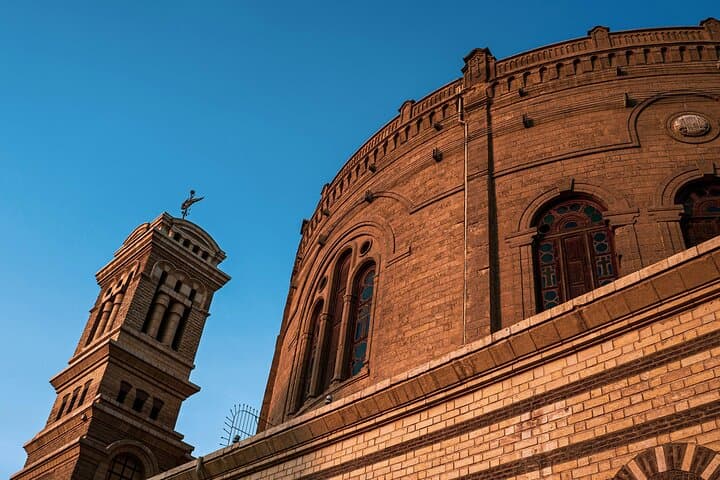
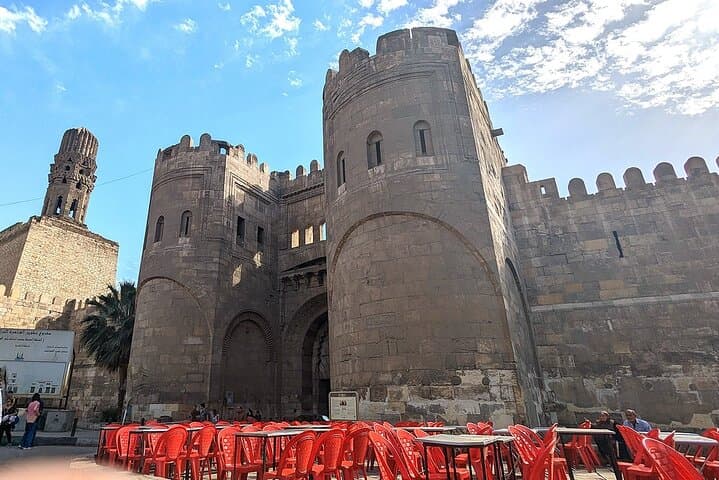
Saladin sited the fortress in the 12th century on the limestone foothills that rise above Cairo’s Nile alluvial plain, choosing elevation for defense and views. Later Ottoman and 19th‑century projects reshaped the silhouette: soaring minarets, broad courtyards and ornate interiors. Moving into Old Cairo, the streets constrict to stone alleys where Coptic churches and the Ben Ezra Synagogue keep layers of religious history visible in carved stones and cramped chapels. Geology meets culture here — a Roman‑era Babylon Fortress footing under medieval churches, sited where the river’s historical rhythms and human settlement converge.
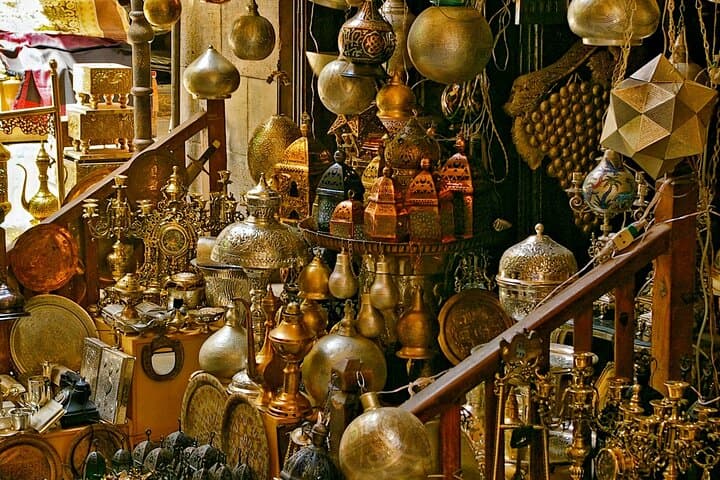
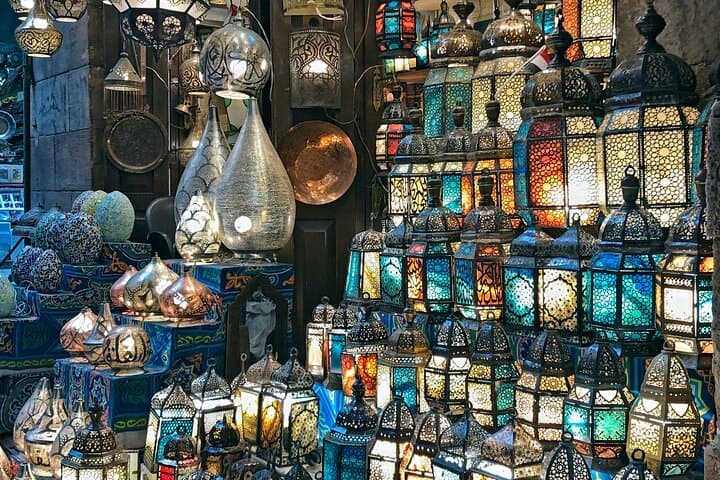
Khan el‑Khalili is sensory: copper glints, spice aromas and the cadence of bargaining in a market that has traded since the Mamluk era. Your private guide steers you to cafés, explains bargaining cues and translates inscriptions and iconography in quiet churches.
Practical edge: expect 5–7 hours on foot with short drives between sites, uneven paving, and steps at the Citadel and churches. Entrance fees, bottled water, lunch and private transfers are included. Dress modestly for religious sites, carry sun protection, and pace your day — the city rewards slow attention.
easy.
5–7 hours.
Suitable for most fitness levels; requires several hours of walking and negotiating stairs and uneven surfaces.
The tour lists wheelchair accessibility, but some historic sites have steps and uneven surfaces — notify the operator in advance so routes and timings can be adjusted.
Yes — entrance fees to the Citadel and Coptic sites, a local lunch and bottled water are included in the price.
Expect several hours on foot across cobbled alleys, mosque courtyards and market lanes, with short transfers by air‑conditioned vehicle between main sites.
Yes — shopping is part of the experience; friendly bargaining is customary. Your guide can offer polite haggling tips and help translate.
The Citadel was founded by Saladin in the 12th century as a defensive citadel; Khan el‑Khalili developed as a major Mamluk-era market in the 14th century and has evolved continuously as a trading quarter.
Tour operators encourage staying on designated paths and avoiding litter in historic sites; support local crafts and licensed cafés to keep heritage trades economically viable.
Fifth Pillar Tours operates guided outdoor trips and adventures with an emphasis on safety, stewardship, and memorable experiences.
You step out of an air‑conditioned car onto the Citadel’s raised stone terrace and the city opens below you — low-rise flats, the sweep of the Nile, minarets puncturing the skyline. The Citadel’s domes and the alabaster mosque of Muhammad Ali dominate the ridge; the guide’s voice threads architecture and politics into a living map.
You step out of an air‑conditioned car onto the Citadel’s raised stone terrace and the city opens below you — low-rise flats, the sweep of the Nile, minarets puncturing the skyline. The Citadel’s domes and the alabaster mosque of Muhammad Ali dominate the ridge; the guide’s voice threads architecture and politics into a living map.
Saladin sited the fortress in the 12th century on the limestone foothills that rise above Cairo’s Nile alluvial plain, choosing elevation for defense and views. Later Ottoman and 19th‑century projects reshaped the silhouette: soaring minarets, broad courtyards and ornate interiors. Moving into Old Cairo, the streets constrict to stone alleys where Coptic churches and the Ben Ezra Synagogue keep layers of religious history visible in carved stones and cramped chapels. Geology meets culture here — a Roman‑era Babylon Fortress footing under medieval churches, sited where the river’s historical rhythms and human settlement converge.
Khan el‑Khalili is sensory: copper glints, spice aromas and the cadence of bargaining in a market that has traded since the Mamluk era. Your private guide steers you to cafés, explains bargaining cues and translates inscriptions and iconography in quiet churches.
Practical edge: expect 5–7 hours on foot with short drives between sites, uneven paving, and steps at the Citadel and churches. Entrance fees, bottled water, lunch and private transfers are included. Dress modestly for religious sites, carry sun protection, and pace your day — the city rewards slow attention.