THE ADVENTURE COLLECTIVE® · Independent discovery and booking for outdoor travel

Walk the narrow alleys of Beijing’s 800-year-old hutongs, visit the historic Bell and Drum Towers on the city’s central axis, and haggle for antiques at Panjiayuan. This short layover tour packs cultural immersion and practical stops into 1–3 hours.
Walk the narrow alleys of Beijing’s 800-year-old hutongs, visit the historic Bell and Drum Towers on the city’s central axis, and haggle for antiques at Panjiayuan. This short layover tour packs cultural immersion and practical stops into 1–3 hours.
You step down from the car into a narrowing alley where the city’s noise folds into the softer cadence of footsteps and bicycle bells. Brick walls lean in close, grey tiles cast a cool shadow, and an old door opens to a family making dumplings — the kind of small, tactile moments that define a Hutong walk.
Verified experiences and guided adventures in the surrounding area.
Operated by Beijing Transfer Tours · Beijing, Beijing
You step down from the car into a narrowing alley where the city’s noise folds into the softer cadence of footsteps and bicycle bells. Brick walls lean in close, grey tiles cast a cool shadow, and an old door opens to a family making dumplings — the kind of small, tactile moments that define a Hutong walk.
Hutongs in central Beijing date back roughly 700–800 years, forming a street pattern laid down during the Yuan and solidified under the Ming and Qing dynasties. The Bell and Drum Towers sit on the historical north-south axis — massive timber and brick structures once used to mark hours for the imperial city. Geologically, the plain is alluvial; the low relief lets the towers dominate the skyline, giving you wide sightlines between narrow lanes.
Culture here is everyday and public: elders practice Tai Chi in squares, vendors call out local snacks, and craftsmen sell paper-cuts and calligraphy in small courtyards. The Panjiayuan antiques stop adds a different tempo — a crowded open market where porcelain, jade, and folk relics sit beside faded Mao-era posters.
Practical guidance: the walking is flat but uneven — expect cobbles, thresholds, and tight stairs. Plan for 1–3 hours depending on stops; bring small bills for purchases and permissions to photograph inside homes. Aim for morning light to avoid the heat and to catch residents in daily routines. Keep conversations low and ask before entering private courtyards: these are living neighborhoods, not staged sets.
easy.
1–3 hours.
Suitable for most fitness levels; requires steady balance for short uneven sections and steps.
A minimum 9-hour international layover is recommended so you have time for customs, transport, and the 1–3 hour tour without risking your onward flight.
The operator lists accessibility for many areas, but some historic courtyards and hutong doorways have thresholds or steps—notify the guide in advance to plan an accessible route.
Yes—home visits are included on many itineraries, but always ask permission; hosts may offer tea, simple snacks, or a look around a courtyard.
Admissions are typically included on layover itineraries, but confirm at booking and carry ID for museum entry.
The hutongs and the Bell/Drum Towers are part of Beijing’s historic central axis; the towers date to the Yuan dynasty and shaped city timekeeping for centuries.
These neighborhoods are lived-in; minimize impact by staying on paths, avoiding loud behavior in residential courtyards, and supporting local artisans rather than mass-market stalls.
Beijing Transfer Tours operates guided outdoor trips and adventures with an emphasis on safety, stewardship, and memorable experiences.
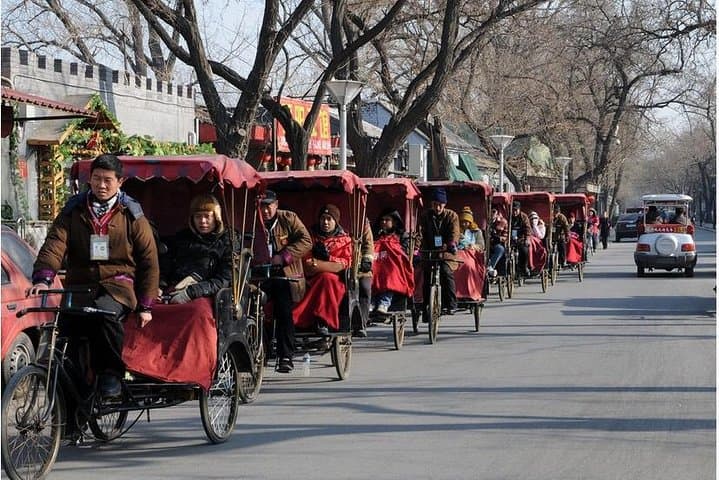
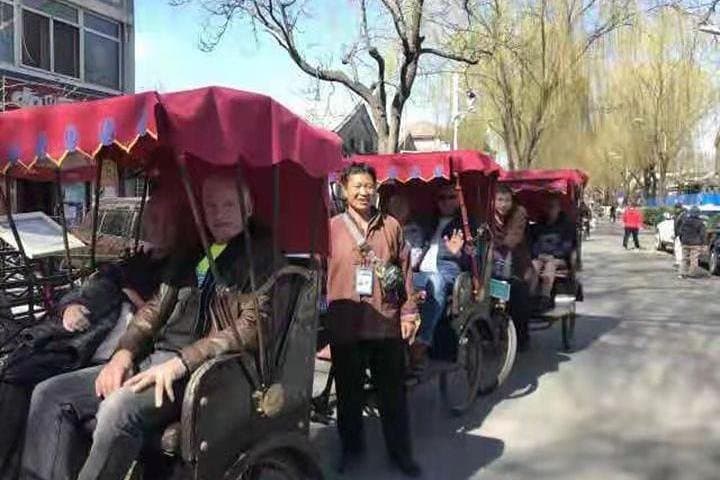
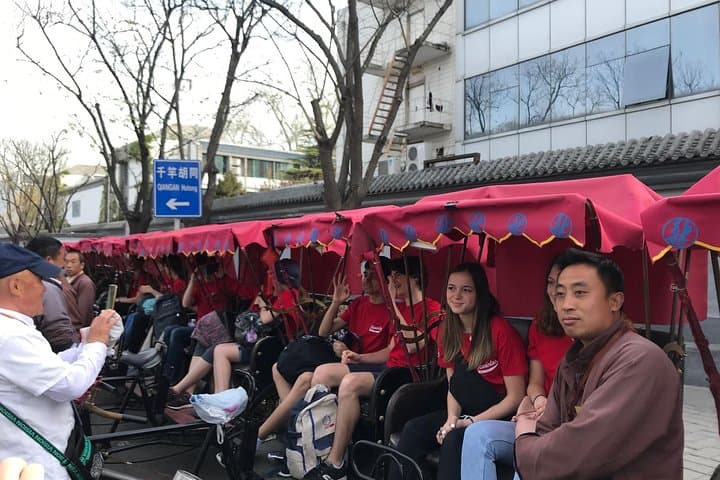

You step down from the car into a narrowing alley where the city’s noise folds into the softer cadence of footsteps and bicycle bells. Brick walls lean in close, grey tiles cast a cool shadow, and an old door opens to a family making dumplings — the kind of small, tactile moments that define a Hutong walk.
You step down from the car into a narrowing alley where the city’s noise folds into the softer cadence of footsteps and bicycle bells. Brick walls lean in close, grey tiles cast a cool shadow, and an old door opens to a family making dumplings — the kind of small, tactile moments that define a Hutong walk.
Hutongs in central Beijing date back roughly 700–800 years, forming a street pattern laid down during the Yuan and solidified under the Ming and Qing dynasties. The Bell and Drum Towers sit on the historical north-south axis — massive timber and brick structures once used to mark hours for the imperial city. Geologically, the plain is alluvial; the low relief lets the towers dominate the skyline, giving you wide sightlines between narrow lanes.
Culture here is everyday and public: elders practice Tai Chi in squares, vendors call out local snacks, and craftsmen sell paper-cuts and calligraphy in small courtyards. The Panjiayuan antiques stop adds a different tempo — a crowded open market where porcelain, jade, and folk relics sit beside faded Mao-era posters.
Practical guidance: the walking is flat but uneven — expect cobbles, thresholds, and tight stairs. Plan for 1–3 hours depending on stops; bring small bills for purchases and permissions to photograph inside homes. Aim for morning light to avoid the heat and to catch residents in daily routines. Keep conversations low and ask before entering private courtyards: these are living neighborhoods, not staged sets.