THE ADVENTURE COLLECTIVE® · Independent discovery and booking for outdoor travel

Spend an hour in Atlanta’s historic Pittsburgh neighborhood sipping a specialty coffee while a guide threads local history into each stop. Perfect for travelers who want a short, accessible urban walk that pairs taste with neighborhood stories.
Spend an hour in Atlanta’s historic Pittsburgh neighborhood sipping a specialty coffee while a guide threads local history into each stop. Perfect for travelers who want a short, accessible urban walk that pairs taste with neighborhood stories.
You step off the corner of Rockwell and McDaniel Street into a narrow, sun-warmed block where steam from a specialty espresso machine smells like a current pushing you forward. The hour moves deliberately: a barista pulls a shot, you frame a selfie with a brick storefront, and a guide points out the ironwork that marked the neighborhood’s industrial past.
Verified experiences and guided adventures in the surrounding area.
Operated by Kelli J · Atlanta, Georgia
You step off the corner of Rockwell and McDaniel Street into a narrow, sun-warmed block where steam from a specialty espresso machine smells like a current pushing you forward. The hour moves deliberately: a barista pulls a shot, you frame a selfie with a brick storefront, and a guide points out the ironwork that marked the neighborhood’s industrial past.
Pittsburgh is one of Atlanta’s older Black working-class suburbs, founded in 1883 near the Pegram rail shops. The streets still show the imprint of that rail-and-industry lineage—tight-grain brick, small commercial façades, and painted murals that record local memory. Geologically, this part of Atlanta sits on low, rolling Piedmont terrain; you won’t find dramatic elevation, but the city’s micro-plates—rail beds, alleyways and tree-lined residential blocks—create a patchwork of urban textures.
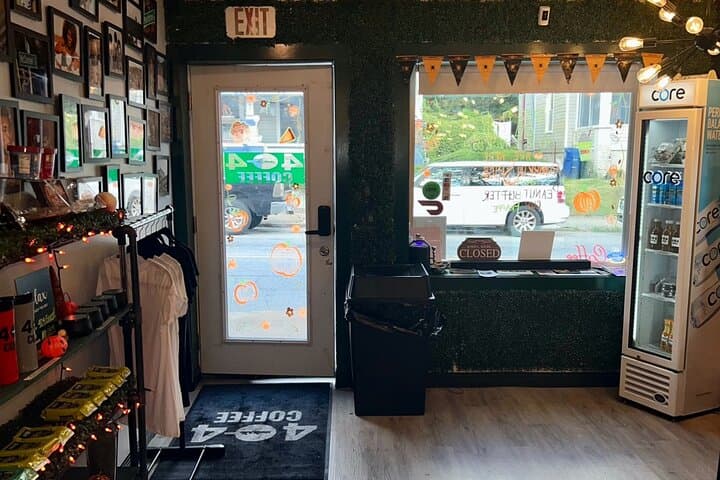
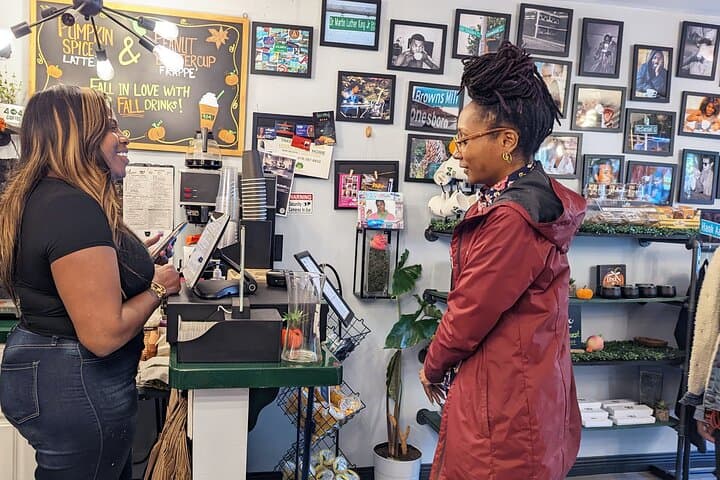
Culturally, the experience is as much about conversation as caffeine: volunteers and small-business owners share neighborhood stories and point to buildings that survived urban renewal and demographic change. Expect handheld history, a specialty drink and a light menu item served in accessible, compact storefronts.
Practical guidance: the walk is one hour, suitable for most mobility levels and fully wheelchair accessible. Public transit and street parking are nearby; bring a camera, a transit card, and comfortable shoes. Summer afternoons can be hot and humid—plan for shade or an early slot. This is a short, social urban stroll where coffee fuels curiosity and the streets quietly push you to look closer.
easy.
1 hour.
Appropriate for most fitness levels; minimal walking and no technical climbs
One specialty drink and a menu item are included; a guide leads a compact walk with historical commentary about the Pittsburgh neighborhood.
Yes—meeting point, route and participating venues are reported as wheelchair accessible; indicate needs at booking.
Shared tours are limited to small groups (typically up to 10 travelers) to keep the experience personal.
Full refund is available if you cancel at least 24 hours before the scheduled start; late cancellations are not refundable.
Pittsburgh was established in 1883 as a Black working-class suburb closely linked to the Pegram rail shops and Atlanta’s industrial expansion.
Support local businesses by purchasing on the walk and avoid single-use plastics; small urban tours have a light footprint but benefit from responsible visitor behavior.
Kelli J operates guided outdoor trips and adventures with an emphasis on safety, stewardship, and memorable experiences.
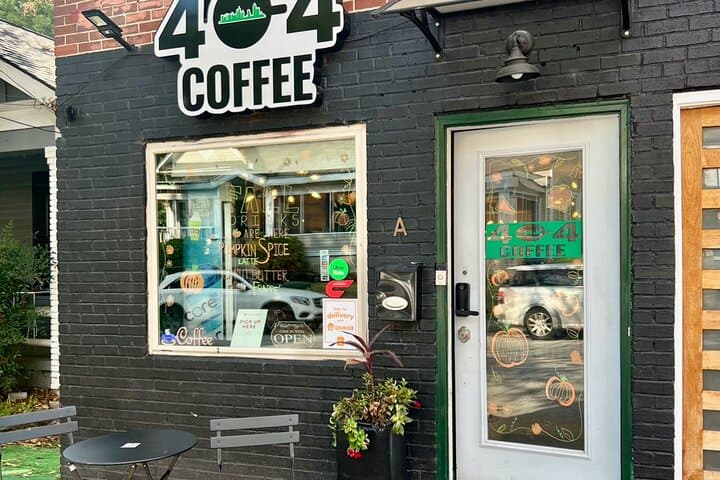
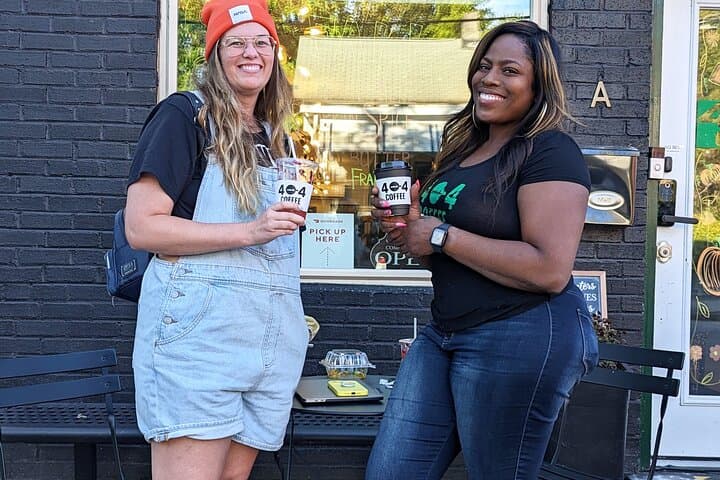
You step off the corner of Rockwell and McDaniel Street into a narrow, sun-warmed block where steam from a specialty espresso machine smells like a current pushing you forward. The hour moves deliberately: a barista pulls a shot, you frame a selfie with a brick storefront, and a guide points out the ironwork that marked the neighborhood’s industrial past.
You step off the corner of Rockwell and McDaniel Street into a narrow, sun-warmed block where steam from a specialty espresso machine smells like a current pushing you forward. The hour moves deliberately: a barista pulls a shot, you frame a selfie with a brick storefront, and a guide points out the ironwork that marked the neighborhood’s industrial past.
Pittsburgh is one of Atlanta’s older Black working-class suburbs, founded in 1883 near the Pegram rail shops. The streets still show the imprint of that rail-and-industry lineage—tight-grain brick, small commercial façades, and painted murals that record local memory. Geologically, this part of Atlanta sits on low, rolling Piedmont terrain; you won’t find dramatic elevation, but the city’s micro-plates—rail beds, alleyways and tree-lined residential blocks—create a patchwork of urban textures.
Culturally, the experience is as much about conversation as caffeine: volunteers and small-business owners share neighborhood stories and point to buildings that survived urban renewal and demographic change. Expect handheld history, a specialty drink and a light menu item served in accessible, compact storefronts.
Practical guidance: the walk is one hour, suitable for most mobility levels and fully wheelchair accessible. Public transit and street parking are nearby; bring a camera, a transit card, and comfortable shoes. Summer afternoons can be hot and humid—plan for shade or an early slot. This is a short, social urban stroll where coffee fuels curiosity and the streets quietly push you to look closer.