THE ADVENTURE COLLECTIVE® · Independent discovery and booking for outdoor travel

See both Old and New Delhi in one private full-day tour that mixes rickshaw rides, crowded spice bazaars, and imperial avenues. Perfect for first-time visitors who want a paced, guide-led orientation to the city’s major monuments and markets.
See both Old and New Delhi in one private full-day tour that mixes rickshaw rides, crowded spice bazaars, and imperial avenues. Perfect for first-time visitors who want a paced, guide-led orientation to the city’s major monuments and markets.
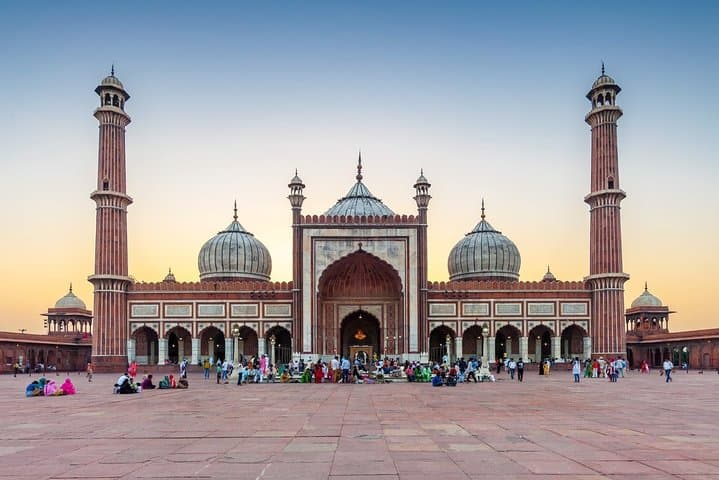
You step out of an air-conditioned car into the press of Old Delhi: rickshaws dart like impatient insects, spice aromas press at your senses, and the Jama Masjid’s sandstone frame looms above a sea of worshippers. The day unfolds as a living contrast — narrow bazaars and colonial avenues, Mughal tomb gardens and broad ceremonial ways — each stop reordering your sense of scale and time.
Verified experiences and guided adventures in the surrounding area.
Operated by Vivek Handa, Tour Guide Delhi-Agra-Jaipur · New Delhi, Delhi
You step out of an air-conditioned car into the press of Old Delhi: rickshaws dart like impatient insects, spice aromas press at your senses, and the Jama Masjid’s sandstone frame looms above a sea of worshippers. The day unfolds as a living contrast — narrow bazaars and colonial avenues, Mughal tomb gardens and broad ceremonial ways — each stop reordering your sense of scale and time.
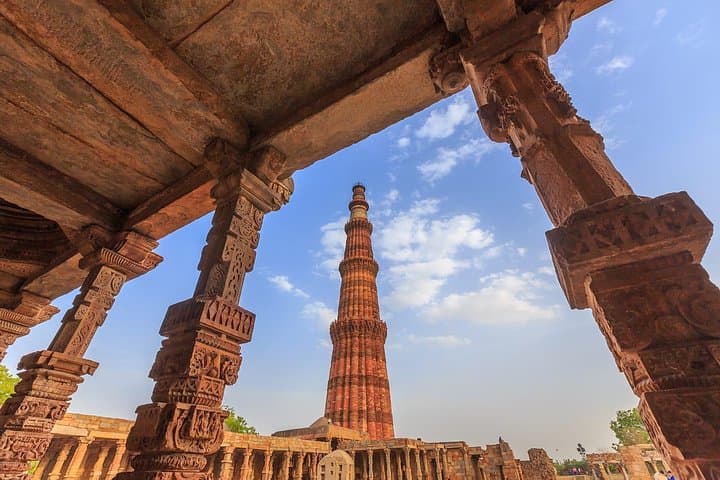
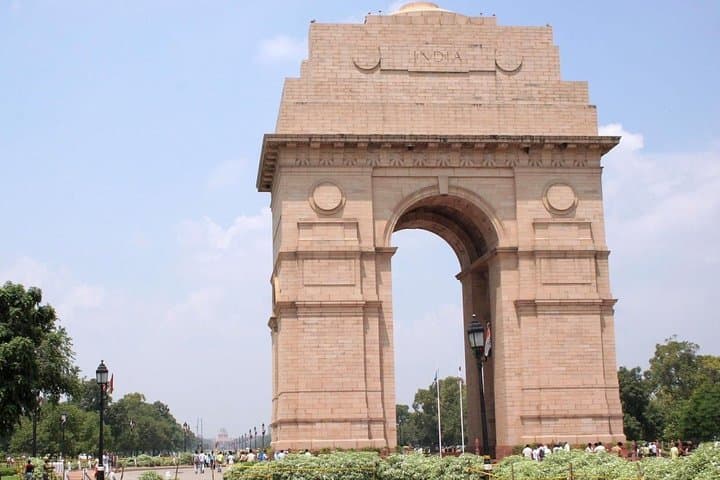
Old Delhi grew around the Mughal court; its crowded lanes and markets are the city’s oldest living quarters. New Delhi, planned in the early 20th century, lays out imperial axes — India Gate, Rashtrapati Bhavan, Parliament — that speak to British-era civic design overlaid on millennia of local history. Humayun’s Tomb and Qutub Minar bookend a Mughal architectural arc that connects with stone, garden, and monument.
Expect walking on uneven pavements in Old Delhi, short rickshaw rides, and photo stops from vehicles in New Delhi. Dress conservatively for mosque visits; carry small notes for market purchases. Start early to avoid the midday heat and to experience the bazaars in full motion. A local guide unpacks history on the move and helps navigate entry lines and bargaining culture.
Practical tips: comfortable closed shoes, a refillable water bottle, sun protection, and a small daypack. If mobility is a concern, this private option allows pace adjustments and a wheelchair-accessible vehicle. The tour balances immersive street-level exploration with scheduled monument visits, making it a solid single-day orientation to Delhi’s layered cityscape.
easy.
7–8 hours.
Suitable for most fitness levels; involves several short walks and standing periods.
Yes — the private vehicle and most transfer arrangements are wheelchair accessible; confirm mobility needs when booking.
Entrance fees are included only if you select the All Inclusive option; otherwise you may pay at sites or request the add-on.
A buffet lunch is available if the All Inclusive option is chosen; otherwise the guide can recommend local eateries in Connaught Place or Old Delhi.
Yes — it’s a private tour, so you can adjust pacing and skip or add stops subject to timing and entry rules.
Old Delhi was founded as Shahjahanabad in the 17th century by Mughal emperor Shah Jahan; New Delhi was laid out by British planners in the early 1900s as an imperial capital.
High visitor numbers strain historic sites; follow site rules, avoid littering, and use bottled water sparingly to reduce plastic waste.
Vivek Handa, Tour Guide Delhi-Agra-Jaipur operates guided outdoor trips and adventures with an emphasis on safety, stewardship, and memorable experiences.
You step out of an air-conditioned car into the press of Old Delhi: rickshaws dart like impatient insects, spice aromas press at your senses, and the Jama Masjid’s sandstone frame looms above a sea of worshippers. The day unfolds as a living contrast — narrow bazaars and colonial avenues, Mughal tomb gardens and broad ceremonial ways — each stop reordering your sense of scale and time.
You step out of an air-conditioned car into the press of Old Delhi: rickshaws dart like impatient insects, spice aromas press at your senses, and the Jama Masjid’s sandstone frame looms above a sea of worshippers. The day unfolds as a living contrast — narrow bazaars and colonial avenues, Mughal tomb gardens and broad ceremonial ways — each stop reordering your sense of scale and time.
Old Delhi grew around the Mughal court; its crowded lanes and markets are the city’s oldest living quarters. New Delhi, planned in the early 20th century, lays out imperial axes — India Gate, Rashtrapati Bhavan, Parliament — that speak to British-era civic design overlaid on millennia of local history. Humayun’s Tomb and Qutub Minar bookend a Mughal architectural arc that connects with stone, garden, and monument.
Expect walking on uneven pavements in Old Delhi, short rickshaw rides, and photo stops from vehicles in New Delhi. Dress conservatively for mosque visits; carry small notes for market purchases. Start early to avoid the midday heat and to experience the bazaars in full motion. A local guide unpacks history on the move and helps navigate entry lines and bargaining culture.
Practical tips: comfortable closed shoes, a refillable water bottle, sun protection, and a small daypack. If mobility is a concern, this private option allows pace adjustments and a wheelchair-accessible vehicle. The tour balances immersive street-level exploration with scheduled monument visits, making it a solid single-day orientation to Delhi’s layered cityscape.