THE ADVENTURE COLLECTIVE® · Independent discovery and booking for outdoor travel

Traverse Delhi’s living history on a private full-day tour that stitches Old Delhi’s spice-scented alleys to New Delhi’s grand boulevards. This guide outlines what to expect on the route, cultural norms, and practical planning tips for a full day of sightseeing.
Traverse Delhi’s living history on a private full-day tour that stitches Old Delhi’s spice-scented alleys to New Delhi’s grand boulevards. This guide outlines what to expect on the route, cultural norms, and practical planning tips for a full day of sightseeing.
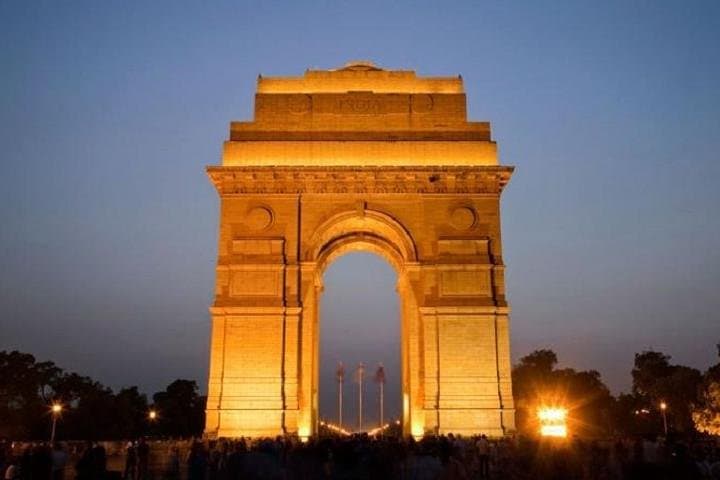
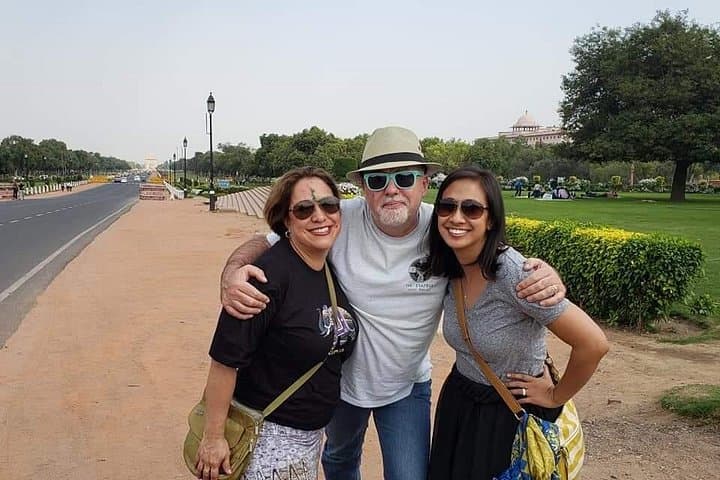
A morning in Delhi opens like a page turning—rickshaws hum, the Yamuna slips by with quiet insistence, and the city’s layers come into focus. On this private full-day loop travelers move from the cramped alleys of Chandni Chowk to the open lawns around India Gate, following a route that stitches Mughal red sandstone to British-era boulevards and contemporary civic spaces.
Verified experiences and guided adventures in the surrounding area.
Operated by Visit India By Car · New Delhi, Delhi
A morning in Delhi opens like a page turning—rickshaws hum, the Yamuna slips by with quiet insistence, and the city’s layers come into focus. On this private full-day loop travelers move from the cramped alleys of Chandni Chowk to the open lawns around India Gate, following a route that stitches Mughal red sandstone to British-era boulevards and contemporary civic spaces.
History here is physical: the Red Fort’s ramparts recall imperial Mughal ambition; Humayun’s Tomb introduced the Persian garden-tomb prototype that influenced the Taj Mahal; Raj Ghat marks Gandhi’s final place of homage. The geology is subtle but present—local sandstone, quartzites and the alluvial plain of the Yamuna underwrite the city’s soil and construction traditions.
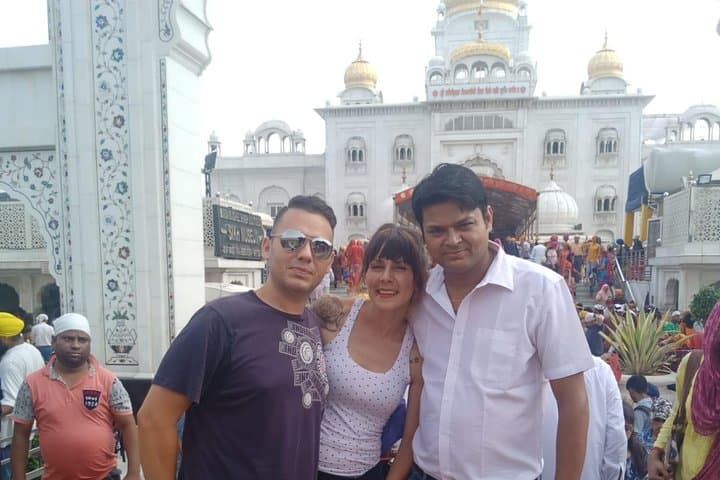
Culturally, Delhi is a city of transitions: rickshaw drivers call out bargains, Sikh langars at Gurudwara Bangla Sahib serve free meals, and the Lotus Temple draws quiet reflection. Street food at Old Delhi’s spice markets is loud and particular—pay attention to hygiene and timing.
Practical guidance: start early to avoid midday heat and traffic, and plan 8–10 hours if you want a relaxed pace with a rickshaw ride. Wear closed, breathable shoes for uneven lanes and modest clothing for religious sites. Carry a refillable water bottle and small change for temple donations and market purchases.
Expect checkpoints and short waits at major sites; some monuments require bag checks and modest photography rules. A private car with an experienced guide compresses logistics so travelers can focus on context, flavor and the rhythm of a city that alternates between sudden calm and energetic bustle.
easy.
4–10 hours.
Suitable for most fitness levels; expect several hours of walking on flat but uneven surfaces and short standing lines
Lunch is included only if you select the tour option that specifies a meal; otherwise guides can suggest nearby restaurants in New or Old Delhi.
Some sites have weekly closures or restricted access times—your guide will confirm the day’s openings; plan flexibly for alternatives like Lodhi Gardens.
Foreign visitors should carry passport photo ID for checkpoints; local ID requirements vary but guides typically handle logistics for entry.
Short rickshaw rides through Old Delhi are generally safe but bumpy; children should be seated and older travelers should consider the vehicle’s limitations.
Delhi’s layers span Delhi Sultanate, Mughal, and British colonial eras—many monuments reflect shifts in power and architectural styles.
Heavy visitation and urban pollution stress historic sites; avoid littering, respect restricted areas, and don’t feed wildlife.
Visit India By Car operates guided outdoor trips and adventures with an emphasis on safety, stewardship, and memorable experiences.

A morning in Delhi opens like a page turning—rickshaws hum, the Yamuna slips by with quiet insistence, and the city’s layers come into focus. On this private full-day loop travelers move from the cramped alleys of Chandni Chowk to the open lawns around India Gate, following a route that stitches Mughal red sandstone to British-era boulevards and contemporary civic spaces.
A morning in Delhi opens like a page turning—rickshaws hum, the Yamuna slips by with quiet insistence, and the city’s layers come into focus. On this private full-day loop travelers move from the cramped alleys of Chandni Chowk to the open lawns around India Gate, following a route that stitches Mughal red sandstone to British-era boulevards and contemporary civic spaces.
History here is physical: the Red Fort’s ramparts recall imperial Mughal ambition; Humayun’s Tomb introduced the Persian garden-tomb prototype that influenced the Taj Mahal; Raj Ghat marks Gandhi’s final place of homage. The geology is subtle but present—local sandstone, quartzites and the alluvial plain of the Yamuna underwrite the city’s soil and construction traditions.
Culturally, Delhi is a city of transitions: rickshaw drivers call out bargains, Sikh langars at Gurudwara Bangla Sahib serve free meals, and the Lotus Temple draws quiet reflection. Street food at Old Delhi’s spice markets is loud and particular—pay attention to hygiene and timing.
Practical guidance: start early to avoid midday heat and traffic, and plan 8–10 hours if you want a relaxed pace with a rickshaw ride. Wear closed, breathable shoes for uneven lanes and modest clothing for religious sites. Carry a refillable water bottle and small change for temple donations and market purchases.
Expect checkpoints and short waits at major sites; some monuments require bag checks and modest photography rules. A private car with an experienced guide compresses logistics so travelers can focus on context, flavor and the rhythm of a city that alternates between sudden calm and energetic bustle.