THE ADVENTURE COLLECTIVE® · Independent discovery and booking for outdoor travel

Spend a half-day moving between Dubai’s historic creekside neighborhoods and its futuristic skyline. This guided tour combines short walks, cultural context, and a respectful visit to the Blue Mosque—ideal for travelers wanting a compact orientation to the city.
Spend a half-day moving between Dubai’s historic creekside neighborhoods and its futuristic skyline. This guided tour combines short walks, cultural context, and a respectful visit to the Blue Mosque—ideal for travelers wanting a compact orientation to the city.
You step from an air-conditioned vehicle into the city’s pulse: glass towers reflect a sky still holding desert heat, while a narrow creek threads wooden dhows and morning fishermen beneath shadowed arches. The tour moves between these worlds—ancient wind-tower lanes and the polished sweep of Marina—so expect quick transitions, photo stops, and short, guided walks that place you at the junction of old trade routes and hypermodern ambition.
Verified experiences and guided adventures in the surrounding area.
Operated by OBERON TOURISM LLC · Dubai, Dubai
You step from an air-conditioned vehicle into the city’s pulse: glass towers reflect a sky still holding desert heat, while a narrow creek threads wooden dhows and morning fishermen beneath shadowed arches. The tour moves between these worlds—ancient wind-tower lanes and the polished sweep of Marina—so expect quick transitions, photo stops, and short, guided walks that place you at the junction of old trade routes and hypermodern ambition.
Dubai began as a fishing and pearling port on the Gulf; Al Fahidi Fort (now Dubai Museum) and the Shindagha district mark that pre-oil era. Geologically, the city sits on a flat coastal plain of sand and reclaimed land; Palm Jumeirah and artificial islands illustrate modern engineering reshaping shoreline geology. Culturally, Dubai balances conservative values with international commerce—mosques and souks sit beside luxury retail and experimental architecture.
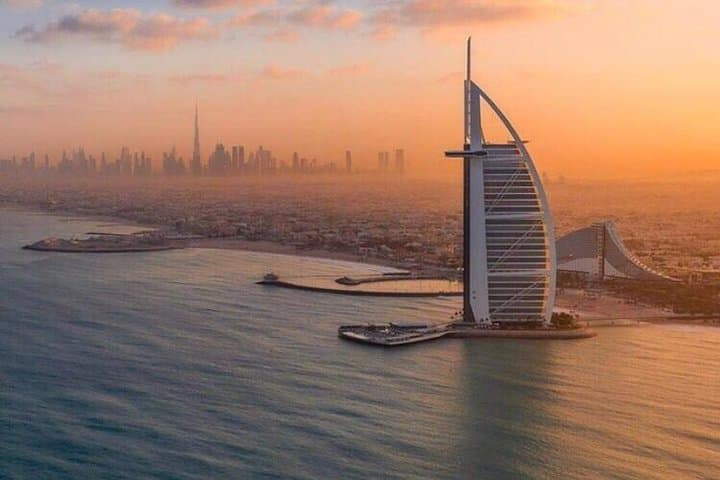
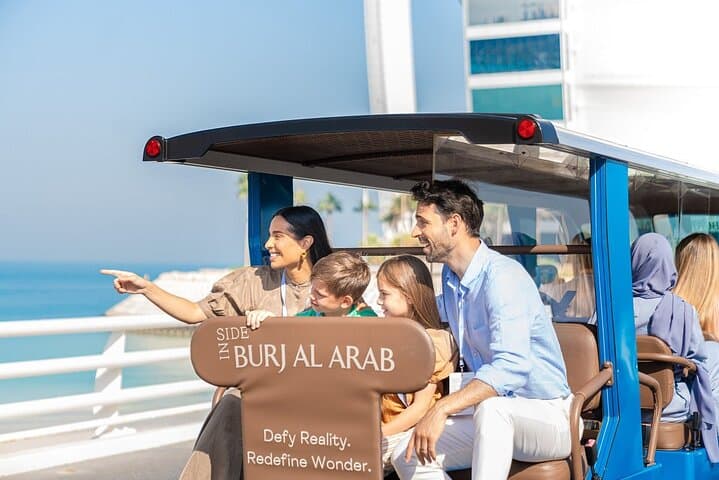
Practical guidance: the itinerary covers about 4–5 hours with seated transit between stops—wear breathable clothes and comfortable shoes for short walks on paved and sometimes sandy surfaces. For the mosque visit, men and women must wear modest attire; women should carry a scarf. Temperatures can spike; carry water and shade. Expect a mix of narrated history, quick photo stops at Burj Al Arab and Palm Jumeirah, a focused visit to Al Farooq (Blue Mosque), and time at Al Seef or Al Fahidi depending on traffic and group pace.
Timing your tour in the morning or late afternoon reduces heat stress and gives softer light for photos. Guides typically offer local context—ask about traditional dhow life, pearl diving, and recent conservation efforts for coastal and desert habitats.
easy.
4–5 hours.
Suitable for all fitness levels; requires short periods of walking and standing on paved or uneven heritage paths.
Yes—Al Farooq Omar Bin Al Khattab Mosque welcomes visitors outside prayer times, but modest dress and respectful behavior are required.
Yes—hotel pick-up and drop-off are included; confirm your pickup point at booking and allow 10–20 minutes window for shared transfers.
Most city views and exterior stops are covered by the tour price; specific museum admissions are typically not included—check the itinerary and ask the operator before booking.
The tour is classified as physically easy with short walks; infants must sit on laps and infant seats are available on request—mobility limitations should be discussed with the operator ahead of time.
Dubai evolved from a 19th-century pearl-diving and fishing village into a global trade hub after oil and strategic investments transformed its economy in the late 20th century.
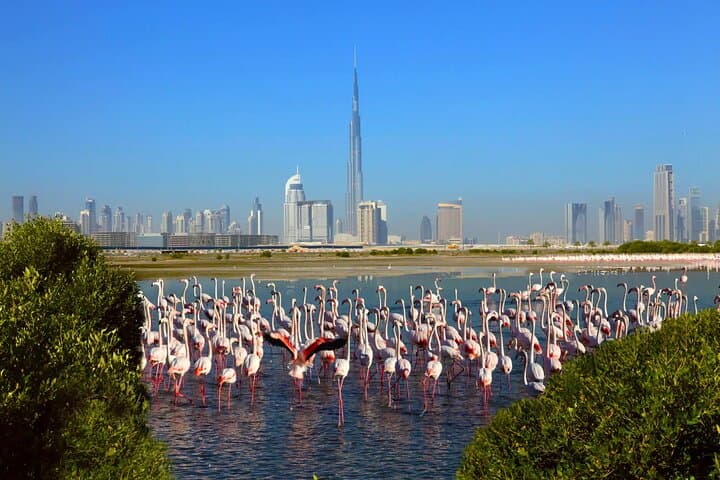
Rapid urban growth strains water and coastal habitats; operators increasingly support protected area guidelines and advise visitors to minimize single-use plastic and respect bird habitats around the creek.
OBERON TOURISM LLC operates guided outdoor trips and adventures with an emphasis on safety, stewardship, and memorable experiences.
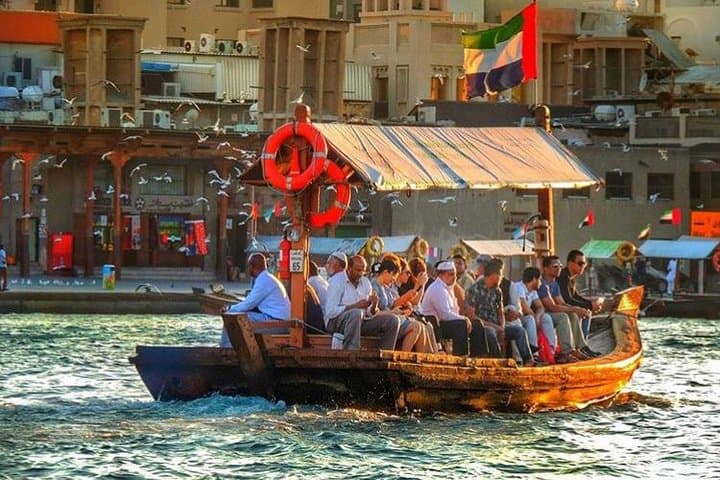
You step from an air-conditioned vehicle into the city’s pulse: glass towers reflect a sky still holding desert heat, while a narrow creek threads wooden dhows and morning fishermen beneath shadowed arches. The tour moves between these worlds—ancient wind-tower lanes and the polished sweep of Marina—so expect quick transitions, photo stops, and short, guided walks that place you at the junction of old trade routes and hypermodern ambition.
You step from an air-conditioned vehicle into the city’s pulse: glass towers reflect a sky still holding desert heat, while a narrow creek threads wooden dhows and morning fishermen beneath shadowed arches. The tour moves between these worlds—ancient wind-tower lanes and the polished sweep of Marina—so expect quick transitions, photo stops, and short, guided walks that place you at the junction of old trade routes and hypermodern ambition.
Dubai began as a fishing and pearling port on the Gulf; Al Fahidi Fort (now Dubai Museum) and the Shindagha district mark that pre-oil era. Geologically, the city sits on a flat coastal plain of sand and reclaimed land; Palm Jumeirah and artificial islands illustrate modern engineering reshaping shoreline geology. Culturally, Dubai balances conservative values with international commerce—mosques and souks sit beside luxury retail and experimental architecture.
Practical guidance: the itinerary covers about 4–5 hours with seated transit between stops—wear breathable clothes and comfortable shoes for short walks on paved and sometimes sandy surfaces. For the mosque visit, men and women must wear modest attire; women should carry a scarf. Temperatures can spike; carry water and shade. Expect a mix of narrated history, quick photo stops at Burj Al Arab and Palm Jumeirah, a focused visit to Al Farooq (Blue Mosque), and time at Al Seef or Al Fahidi depending on traffic and group pace.
Timing your tour in the morning or late afternoon reduces heat stress and gives softer light for photos. Guides typically offer local context—ask about traditional dhow life, pearl diving, and recent conservation efforts for coastal and desert habitats.