THE ADVENTURE COLLECTIVE® · Independent discovery and booking for outdoor travel

Move between wooden abras and glass towers on a compact four‑hour tour that traces Dubai’s shift from pearling hub to global city. Expect souks, a creek crossing, Sheikh Zayed Road views, and an optional Burj Khalifa ascent.
Move between wooden abras and glass towers on a compact four‑hour tour that traces Dubai’s shift from pearling hub to global city. Expect souks, a creek crossing, Sheikh Zayed Road views, and an optional Burj Khalifa ascent.
You step off the air‑conditioned van into an intersection of eras: a glass-and-steel skyline shoots up across the road while wooden abras bob at the creek below, their prows slicing reflections of minarets and high-rises alike.
Verified experiences and guided adventures in the surrounding area.
Operated by Oscar Knight Tours · Dubai, Dubai
You step off the air‑conditioned van into an intersection of eras: a glass-and-steel skyline shoots up across the road while wooden abras bob at the creek below, their prows slicing reflections of minarets and high-rises alike.
This four‑hour loop moves fast but deliberately through Dubai’s story — from a pearling village and trading creek to the oil-era boom and the skyline spectacle that followed. Geologically the city sits on a flat coastal plain at the northwest edge of the Persian Gulf, where historic settlements clustered around sheltered inlets and freshwater wells. Culturally, Dubai is a working city of merchants, expatriates, and Emirati traditions; the souks still hum with haggling, and the Jumeirah Mosque offers a visual reminder of religion’s role in daily life.
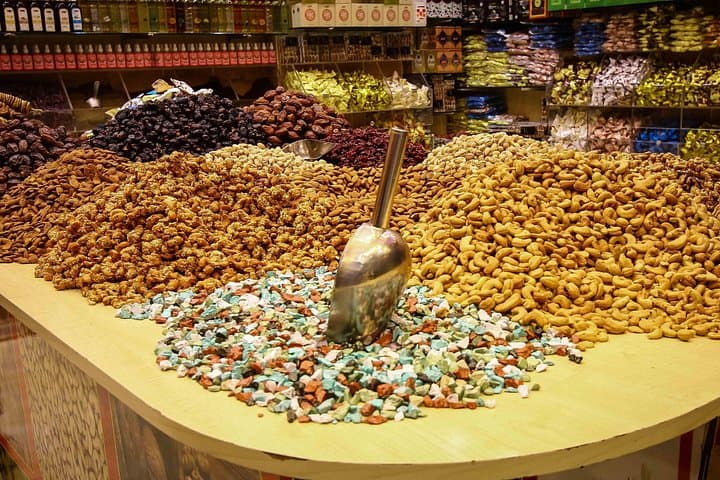
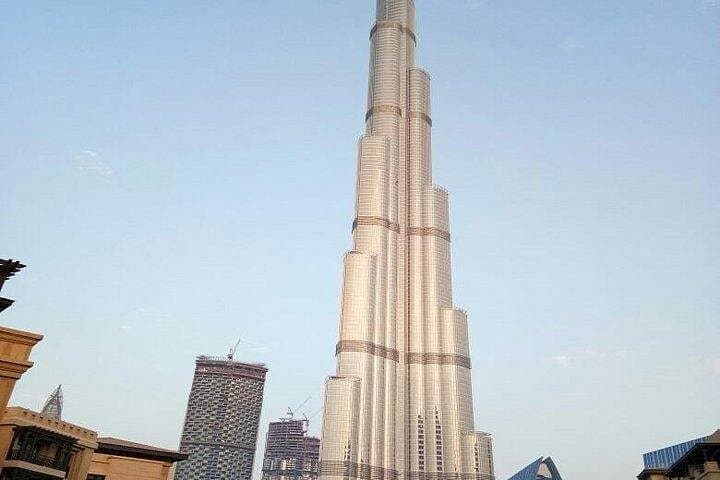
Expect a mix of short walks, photo stops, and one abra crossing across Dubai Creek. Highlights are the atmospheric spice and gold souks, a photo stop at Jumeirah Mosque, Sheikh Zayed Road vistas, a Marina drive-by, and—if booked—Burj Khalifa entry for the best downtown panorama. Guides typically provide bottled water and local context about trade routes, architecture, and recent development.
Practical guidance: dress respectfully for religious sites (shoulders and knees covered), wear comfortable shoes for walking on paved and sandy surfaces, and plan mid‑morning or late afternoon departures to avoid peak heat. Bring a hat, sunscreen, and a small bag for purchases in the souks. If you want tower access, select the Burj Khalifa option when booking; lines move quicker with prebooked entry.
easy.
4 hours.
Light walking ability; ability to board a small wooden abra and walk on paved and sandy surfaces
The tour is approximately four hours and includes multiple short stops and an abra crossing.
Burj Khalifa access is only included if you book the option with the tower ticket—otherwise you get exterior views.
Yes; the tour is listed as physically easy. Infant seats are available but infants must sit on an adult’s lap during transport.
Pickup is available from central Dubai hotels for some options; otherwise a meeting point is provided—check your booking confirmation.
Dubai grew from a 19th-century pearling and trading settlement on the creek; oil discovery and later global investment transformed the cityscape in the 20th and 21st centuries.
Rapid development has stressed coastal and marine habitats; local initiatives encourage sustainable tourism practices such as limiting single‑use plastics and respecting protected areas.
Oscar Knight Tours operates guided outdoor trips and adventures with an emphasis on safety, stewardship, and memorable experiences.
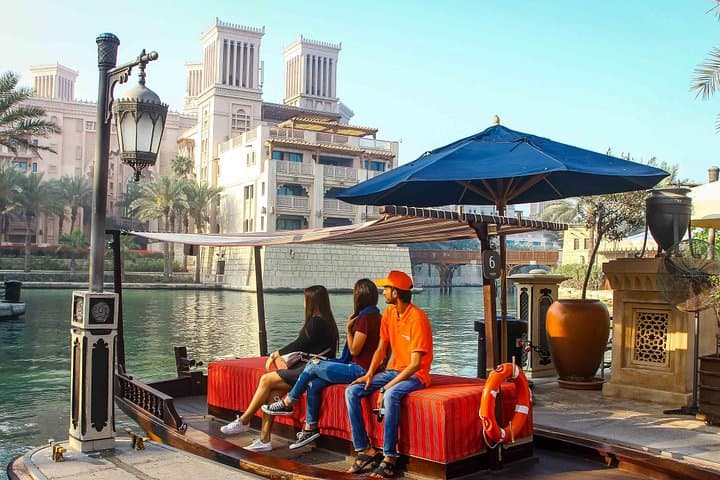
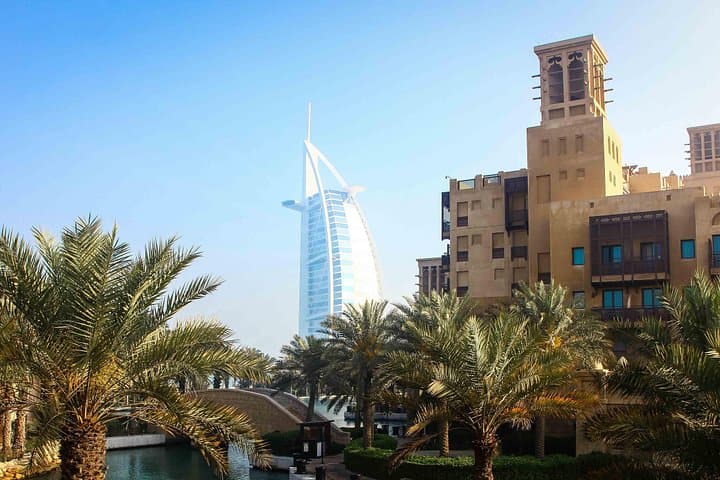
You step off the air‑conditioned van into an intersection of eras: a glass-and-steel skyline shoots up across the road while wooden abras bob at the creek below, their prows slicing reflections of minarets and high-rises alike.
You step off the air‑conditioned van into an intersection of eras: a glass-and-steel skyline shoots up across the road while wooden abras bob at the creek below, their prows slicing reflections of minarets and high-rises alike.
This four‑hour loop moves fast but deliberately through Dubai’s story — from a pearling village and trading creek to the oil-era boom and the skyline spectacle that followed. Geologically the city sits on a flat coastal plain at the northwest edge of the Persian Gulf, where historic settlements clustered around sheltered inlets and freshwater wells. Culturally, Dubai is a working city of merchants, expatriates, and Emirati traditions; the souks still hum with haggling, and the Jumeirah Mosque offers a visual reminder of religion’s role in daily life.
Expect a mix of short walks, photo stops, and one abra crossing across Dubai Creek. Highlights are the atmospheric spice and gold souks, a photo stop at Jumeirah Mosque, Sheikh Zayed Road vistas, a Marina drive-by, and—if booked—Burj Khalifa entry for the best downtown panorama. Guides typically provide bottled water and local context about trade routes, architecture, and recent development.
Practical guidance: dress respectfully for religious sites (shoulders and knees covered), wear comfortable shoes for walking on paved and sandy surfaces, and plan mid‑morning or late afternoon departures to avoid peak heat. Bring a hat, sunscreen, and a small bag for purchases in the souks. If you want tower access, select the Burj Khalifa option when booking; lines move quicker with prebooked entry.