THE ADVENTURE COLLECTIVE® · Independent discovery and booking for outdoor travel

Shop a bustling Olbia market with a local home cook, then roll up your sleeves in a shared kitchen to prepare mazza frissa, maccarrones de poddighe, and tiramisù. This four-hour experience pairs practical market skills with hands-on cooking and a communal meal.
Shop a bustling Olbia market with a local home cook, then roll up your sleeves in a shared kitchen to prepare mazza frissa, maccarrones de poddighe, and tiramisù. This four-hour experience pairs practical market skills with hands-on cooking and a communal meal.
A Saturday morning at Olbia’s covered market feels like a localized orchestra: vendors call out over the clang of scales, citrus oil brightens the air, and the sea’s salt rides in on the breeze from the nearby port. An expert home cook leads the group through stalls of sun-ripened tomatoes, fennel, pecorino, and fresh-caught fish, explaining how Gallura’s granite soils and pastoral traditions shape the island’s flavors.
Verified experiences and guided adventures in the surrounding area.
Operated by Cesarine: Cooking Class · Olbia, Sardinia
A Saturday morning at Olbia’s covered market feels like a localized orchestra: vendors call out over the clang of scales, citrus oil brightens the air, and the sea’s salt rides in on the breeze from the nearby port. An expert home cook leads the group through stalls of sun-ripened tomatoes, fennel, pecorino, and fresh-caught fish, explaining how Gallura’s granite soils and pastoral traditions shape the island’s flavors.
Sardinian cuisine sits at the crossroads of shepherding and the sea. Dishes like mazza frissa and maccarrones de poddighe reflect a history of dry-farmed grains, hand-pressed olive oil, and slow-simmered sauces passed down through households. The Cesarine host model—local cooks opening their homes—offers a direct line to that lived culinary heritage.
After the market, the class shifts to a shared kitchen in a local home. Participants learn hands-on techniques—dough handling for traditional pasta, seasoning for coastal fish, and timing for a three-course menu—then sit down to eat with regional wine and coffee. The experience is practical: bring questions about suppliers, ask for substitutions for dietary needs, and expect a relaxed, communal pace rather than a professional cooking school’s rigor.
Logistics are straightforward: four hours, small shared groups (up to 10), and English-language guidance. Public transport reaches central Olbia and the market; wear comfortable shoes for standing and a reusable bag for purchases. The result is less a lesson in haute cuisine and more a clear, flavorful introduction to Sardinia’s foodways—tactile, social, and rooted in place.
easy.
4 hours.
Minimal fitness required; participants should be comfortable standing and moving through a market and kitchen for several hours.
The tour and cooking class run about four hours from market visit through the shared meal.
Yes — water, local wine, and coffee are included with the meal.
Hosts can often adapt recipes for common allergies or vegetarian needs if informed in advance through booking questions.
The experience is offered in Italian and English.
Olbia lies in Gallura, a region shaped by granite geology and a mixed pastoral-maritime economy; local recipes reflect shepherding, fishing, and centuries of trade across the Mediterranean.
Supporting small producers and using reusable bags helps reduce waste; hosts often emphasize nose-to-tail and root-to-stem cooking to minimize food waste.
Cesarine: Cooking Class operates guided outdoor trips and adventures with an emphasis on safety, stewardship, and memorable experiences.
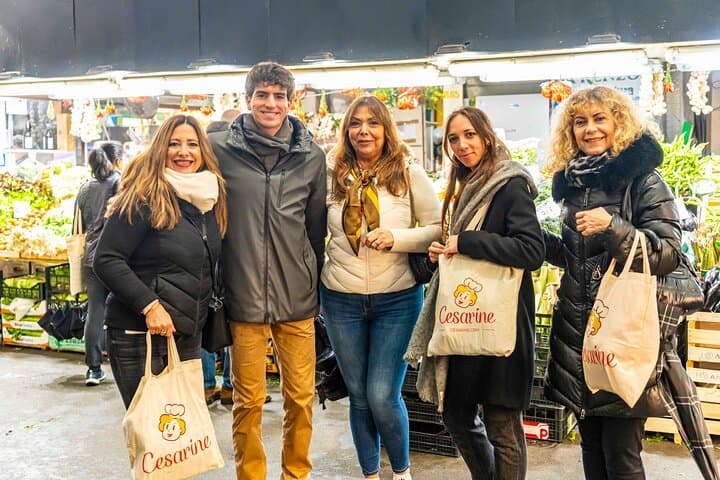
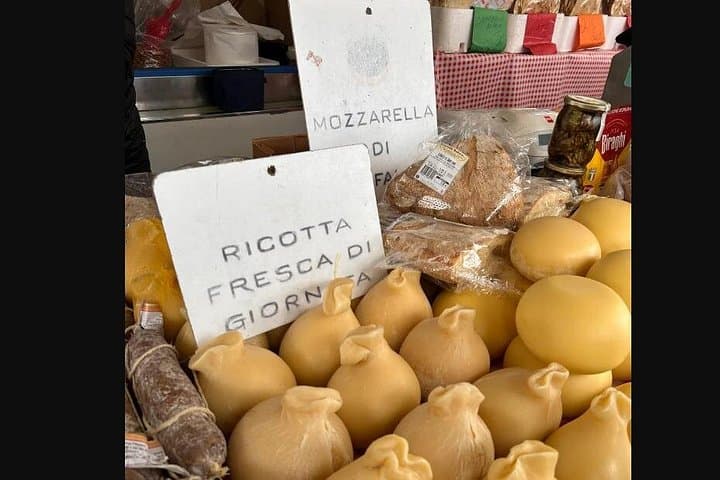
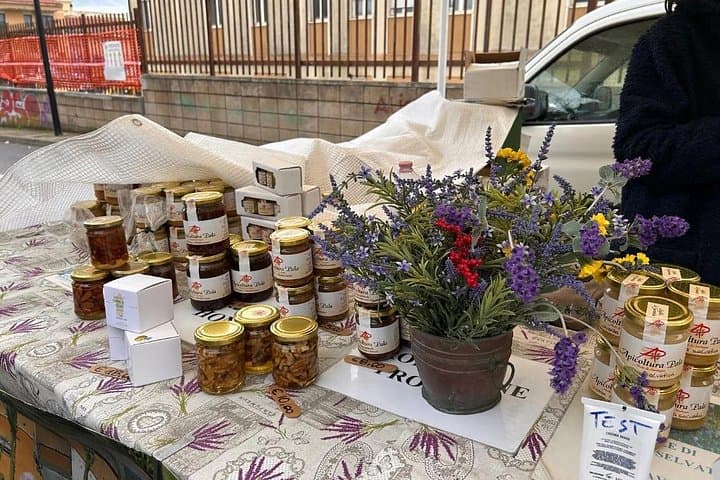
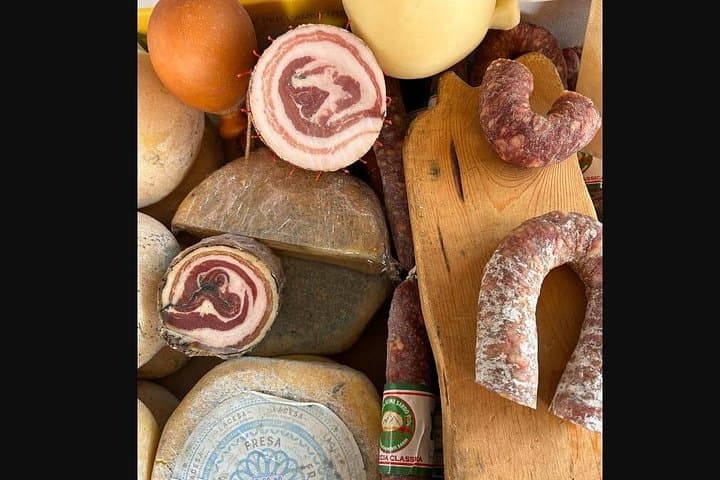
A Saturday morning at Olbia’s covered market feels like a localized orchestra: vendors call out over the clang of scales, citrus oil brightens the air, and the sea’s salt rides in on the breeze from the nearby port. An expert home cook leads the group through stalls of sun-ripened tomatoes, fennel, pecorino, and fresh-caught fish, explaining how Gallura’s granite soils and pastoral traditions shape the island’s flavors.
A Saturday morning at Olbia’s covered market feels like a localized orchestra: vendors call out over the clang of scales, citrus oil brightens the air, and the sea’s salt rides in on the breeze from the nearby port. An expert home cook leads the group through stalls of sun-ripened tomatoes, fennel, pecorino, and fresh-caught fish, explaining how Gallura’s granite soils and pastoral traditions shape the island’s flavors.
Sardinian cuisine sits at the crossroads of shepherding and the sea. Dishes like mazza frissa and maccarrones de poddighe reflect a history of dry-farmed grains, hand-pressed olive oil, and slow-simmered sauces passed down through households. The Cesarine host model—local cooks opening their homes—offers a direct line to that lived culinary heritage.
After the market, the class shifts to a shared kitchen in a local home. Participants learn hands-on techniques—dough handling for traditional pasta, seasoning for coastal fish, and timing for a three-course menu—then sit down to eat with regional wine and coffee. The experience is practical: bring questions about suppliers, ask for substitutions for dietary needs, and expect a relaxed, communal pace rather than a professional cooking school’s rigor.
Logistics are straightforward: four hours, small shared groups (up to 10), and English-language guidance. Public transport reaches central Olbia and the market; wear comfortable shoes for standing and a reusable bag for purchases. The result is less a lesson in haute cuisine and more a clear, flavorful introduction to Sardinia’s foodways—tactile, social, and rooted in place.