THE ADVENTURE COLLECTIVE® · Independent discovery and booking for outdoor travel

Spend a day on Olango Island watching migratory shorebirds and snorkeling coral gardens offshore. This practical guide covers what to expect, timing, and local insights to help you plan the trip from Cebu.
Spend a day on Olango Island watching migratory shorebirds and snorkeling coral gardens offshore. This practical guide covers what to expect, timing, and local insights to help you plan the trip from Cebu.
You step off the bangka onto a low, wind-scoured jetty and the island opens up in two rhythms: tidal flats alive with calls and a reef-ready sea that glints turquoise beyond the mangroves.
Verified experiences and guided adventures in the surrounding area.
Operated by DIVAISHNAVI INTL. INC. · Lapu-Lapu City, Cebu
You step off the bangka onto a low, wind-scoured jetty and the island opens up in two rhythms: tidal flats alive with calls and a reef-ready sea that glints turquoise beyond the mangroves.
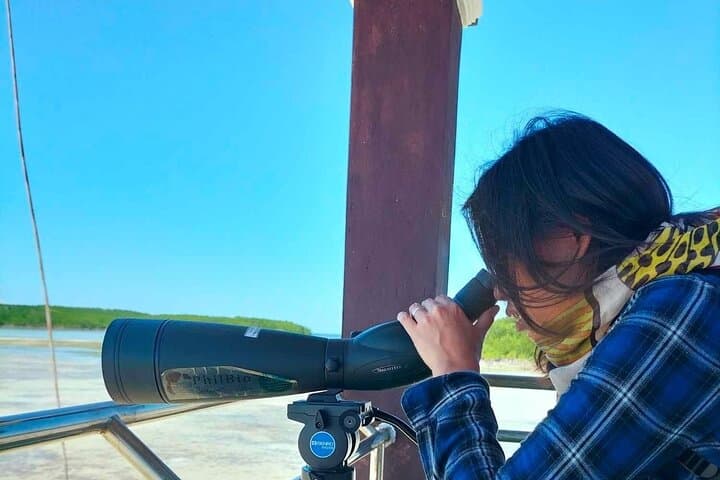
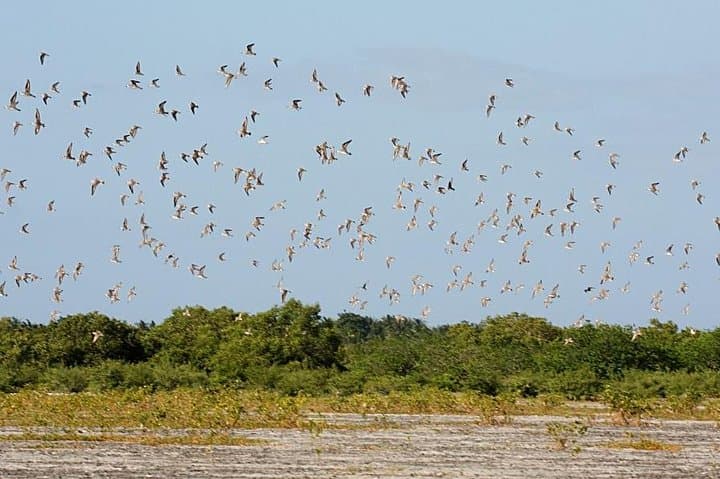
Olango’s broad mudflats and shallow lagoons are raw, functional places where migratory shorebirds congregate by the hundreds between September and May. The limestone reef rims the island, its coral gardens folding into clearer water on the leeward side—prime snorkeling in waist- to chest-deep patches. Fishing villages punctuate the coastline; rooflines and nipa stalls mark a community that still tills cassava, ferments coconut tuba, and sells the day’s catch at small markets.
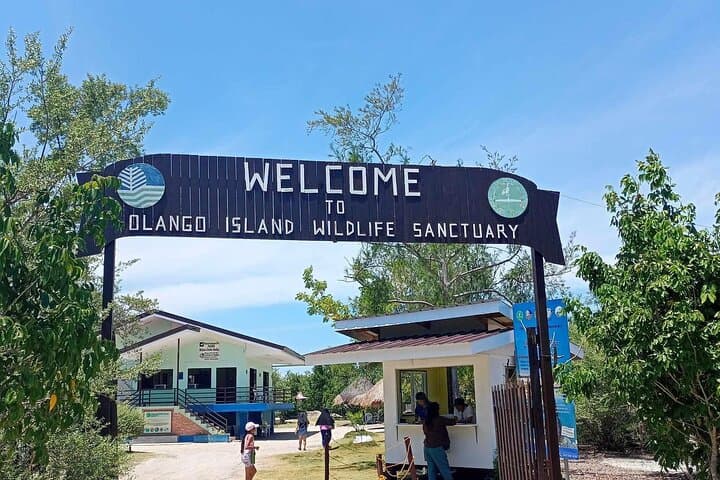
Geologically the island is reef-built and low-lying, shaped by currents that sort sand and shell into spits and tidal pools. Culturally, Olango is both a livelihood landscape and a protected bird sanctuary—expect informative stops with local guides and short demonstrations of cassava or tuba making as part of the itinerary.
Practicalities: the trip is a full day (6–7 hours) with hotel or port pickup in Cebu, a boat transfer, guided bird-watching on heuristically flat trails, and a snorkel at a nearby marine sanctuary. Snorkel equipment is provided; bring reef-safe sunscreen, a hat, a change of clothes, and modest cash for local goods.
Timing matters—arrive early to catch high bird activity and calmer seas for visibility. Paths can be sandy and uneven; moderate fitness and steady footwear make this an easy, memorable day of birds, reef, and community-led insights.
moderate.
6–7 hours.
Moderate fitness; able to stand and walk on sandy or uneven trails for 1–2 hours and swim short snorkel sessions
Yes—basic snorkel masks, fins and life vests are included; bringing a personal mask improves fit and comfort.
Hotel or port pickup and drop-off from Cebu are provided as part of the tour—confirm your pickup point when booking.
No—guides point out key species and roosting areas; binoculars are useful but not required.
A picnic lunch is included; advise any dietary restrictions at booking so operators can plan accordingly.
Olango has long been a seasonal stopover for migratory birds and supports traditional fishing villages that practice small-scale cassava cultivation and coconut wine production.
The island’s bird sanctuary and nearby marine protected areas rely on low-impact tourism—use reef-safe products, avoid disturbing roosts, and follow local guide rules to reduce impact.
DIVAISHNAVI INTL. INC. operates guided outdoor trips and adventures with an emphasis on safety, stewardship, and memorable experiences.

You step off the bangka onto a low, wind-scoured jetty and the island opens up in two rhythms: tidal flats alive with calls and a reef-ready sea that glints turquoise beyond the mangroves.
You step off the bangka onto a low, wind-scoured jetty and the island opens up in two rhythms: tidal flats alive with calls and a reef-ready sea that glints turquoise beyond the mangroves.
Olango’s broad mudflats and shallow lagoons are raw, functional places where migratory shorebirds congregate by the hundreds between September and May. The limestone reef rims the island, its coral gardens folding into clearer water on the leeward side—prime snorkeling in waist- to chest-deep patches. Fishing villages punctuate the coastline; rooflines and nipa stalls mark a community that still tills cassava, ferments coconut tuba, and sells the day’s catch at small markets.
Geologically the island is reef-built and low-lying, shaped by currents that sort sand and shell into spits and tidal pools. Culturally, Olango is both a livelihood landscape and a protected bird sanctuary—expect informative stops with local guides and short demonstrations of cassava or tuba making as part of the itinerary.
Practicalities: the trip is a full day (6–7 hours) with hotel or port pickup in Cebu, a boat transfer, guided bird-watching on heuristically flat trails, and a snorkel at a nearby marine sanctuary. Snorkel equipment is provided; bring reef-safe sunscreen, a hat, a change of clothes, and modest cash for local goods.
Timing matters—arrive early to catch high bird activity and calmer seas for visibility. Paths can be sandy and uneven; moderate fitness and steady footwear make this an easy, memorable day of birds, reef, and community-led insights.