THE ADVENTURE COLLECTIVE® · Independent discovery and booking for outdoor travel

Spend a long day on the Laikipia plateau tracking rhinos, watching chimpanzees at Sweetwaters and visiting Baraka, the conservancy’s blind rhino. This full-day drive from Nairobi balances close wildlife encounters with behind-the-scenes conservation insights.
Spend a long day on the Laikipia plateau tracking rhinos, watching chimpanzees at Sweetwaters and visiting Baraka, the conservancy’s blind rhino. This full-day drive from Nairobi balances close wildlife encounters with behind-the-scenes conservation insights.
You leave Nairobi before dawn and the highway blurs into highland light — acacia silhouettes puncture the horizon and the road climbs toward the Laikipia plateau. By mid-morning the air smells of dry grass and dust; on the far side of the gate the landscape opens into broad, sun-baked plains and the patient drama of plains wildlife.
Verified experiences and guided adventures in the surrounding area.
Operated by Perfect Safaris · Nanyuki, Laikipia County
You leave Nairobi before dawn and the highway blurs into highland light — acacia silhouettes puncture the horizon and the road climbs toward the Laikipia plateau. By mid-morning the air smells of dry grass and dust; on the far side of the gate the landscape opens into broad, sun-baked plains and the patient drama of plains wildlife.
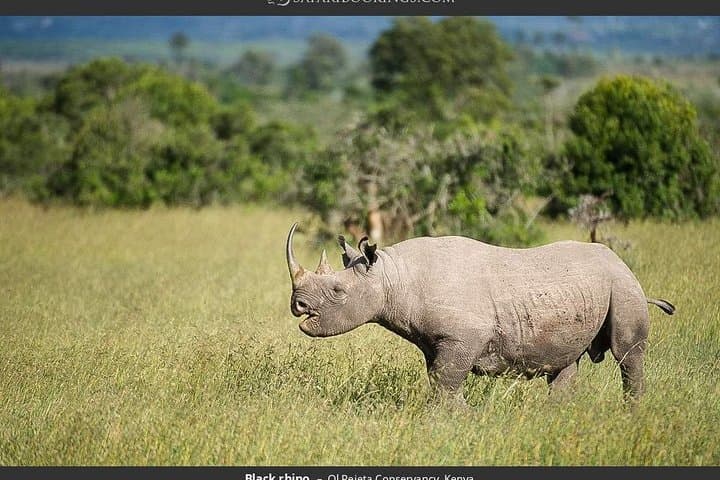
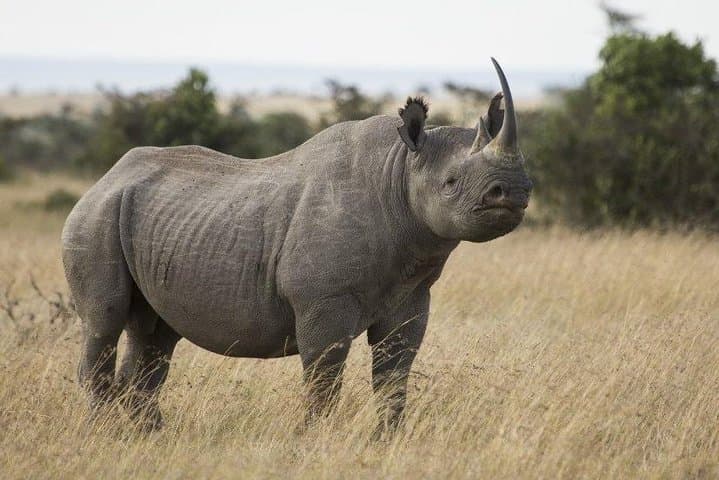
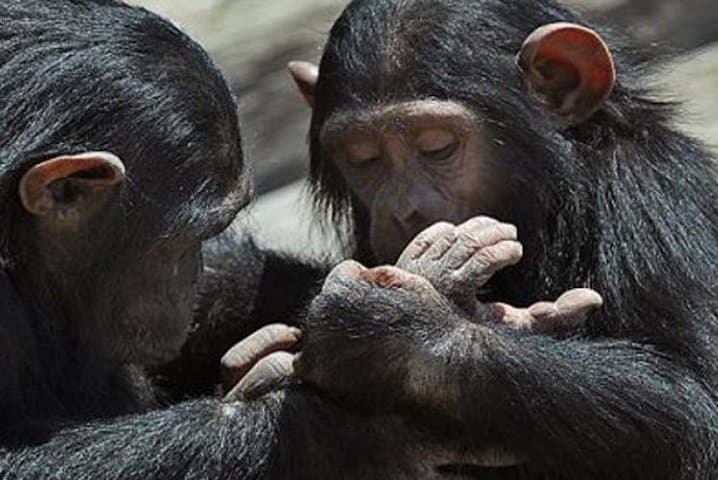
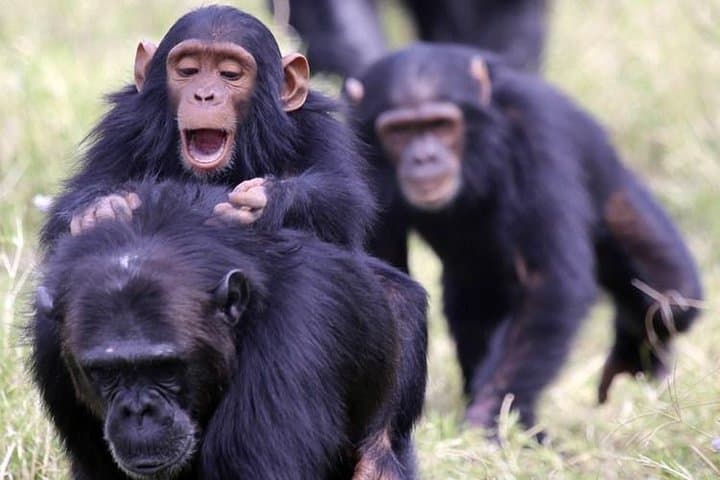
Ol Pejeta is a working conservancy on the northern slopes of Mount Kenya, founded from former ranch land and now a global center for rhino protection and primate rescue. Geologically the area sits on volcanic soils carved by seasonal rivers; grasslands and riverine thickets create distinct zones where predators and large herbivores concentrate. The conservancy is best known for housing three of the last northern white rhinos, a large population of critically endangered black rhinos, and a dedicated chimpanzee sanctuary.
The day tour typically includes a stop at the equator near Nanyuki, morning and afternoon game drives, a visit to the Sweetwaters area and watering-hole viewings, and a chance to meet Baraka, a blind rhino receiving hands-on care. Guides explain anti-poaching patrols and veterinary work while you scan for elephants, plains game and birds.
Practical guidance: expect an 11-hour day with long stretches in a safari vehicle—bring sun protection, a comfortable camera setup, and binocs. Mornings are cool; layered clothing works best. Respect viewing distances, follow your guide’s instructions, and charge batteries the night before—opportunities for close, slow wildlife encounters are frequent but fleeting.
easy.
11 hours.
No special fitness required; mostly seated game drives with short walks near lodge areas. Basic mobility recommended.
Malaria risk varies—consult your doctor before travel. The tour spends much time outdoors; use repellents and follow medical advice.
This tour includes bottled water, lunch at Sweetwaters and conservancy entry as described—confirm inclusions on booking confirmation.
Viewing is in a designated enclosure; distances vary but vehicles typically stop at safe, guided distances to allow clear viewing while protecting the animals.
Yes—tour notes say suitable for all fitness levels and infant seats are available; check age restrictions and child pricing with the operator.
Once private ranchland, Ol Pejeta has been converted into one of Kenya’s largest private conservancies focused on conservation, tourism revenue, and community programs.
Ol Pejeta operates intensive rhino protection squads, veterinary partnerships and community projects that fund anti-poaching work and research.
Perfect Safaris operates guided outdoor trips and adventures with an emphasis on safety, stewardship, and memorable experiences.
You leave Nairobi before dawn and the highway blurs into highland light — acacia silhouettes puncture the horizon and the road climbs toward the Laikipia plateau. By mid-morning the air smells of dry grass and dust; on the far side of the gate the landscape opens into broad, sun-baked plains and the patient drama of plains wildlife.
You leave Nairobi before dawn and the highway blurs into highland light — acacia silhouettes puncture the horizon and the road climbs toward the Laikipia plateau. By mid-morning the air smells of dry grass and dust; on the far side of the gate the landscape opens into broad, sun-baked plains and the patient drama of plains wildlife.
Ol Pejeta is a working conservancy on the northern slopes of Mount Kenya, founded from former ranch land and now a global center for rhino protection and primate rescue. Geologically the area sits on volcanic soils carved by seasonal rivers; grasslands and riverine thickets create distinct zones where predators and large herbivores concentrate. The conservancy is best known for housing three of the last northern white rhinos, a large population of critically endangered black rhinos, and a dedicated chimpanzee sanctuary.
The day tour typically includes a stop at the equator near Nanyuki, morning and afternoon game drives, a visit to the Sweetwaters area and watering-hole viewings, and a chance to meet Baraka, a blind rhino receiving hands-on care. Guides explain anti-poaching patrols and veterinary work while you scan for elephants, plains game and birds.
Practical guidance: expect an 11-hour day with long stretches in a safari vehicle—bring sun protection, a comfortable camera setup, and binocs. Mornings are cool; layered clothing works best. Respect viewing distances, follow your guide’s instructions, and charge batteries the night before—opportunities for close, slow wildlife encounters are frequent but fleeting.