THE ADVENTURE COLLECTIVE® · Independent discovery and booking for outdoor travel

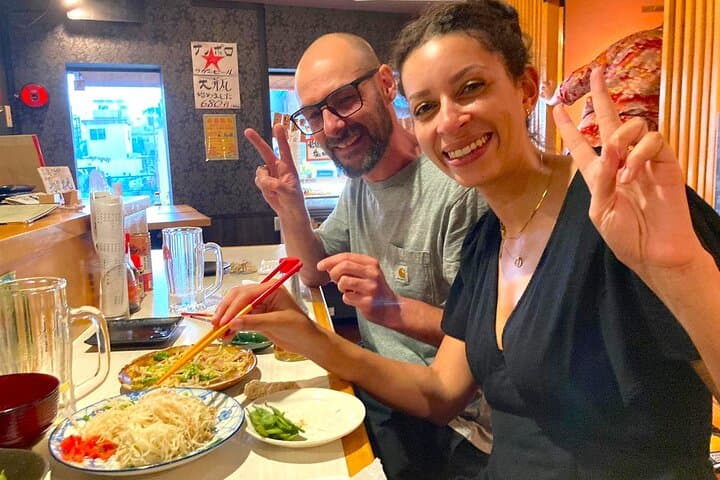
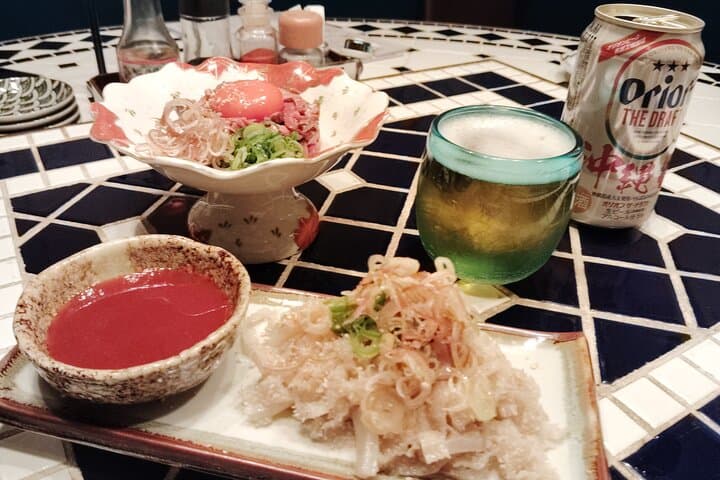
Spend an evening moving between two local izakayas with a guide who unlocks Okinawa’s drinking culture. Sample awamori, fresh sashimi, and grilled squid while learning the stories behind each neighborhood.
Spend an evening moving between two local izakayas with a guide who unlocks Okinawa’s drinking culture. Sample awamori, fresh sashimi, and grilled squid while learning the stories behind each neighborhood.
The neon-lit lanes of Naha or the salt-scented alleys of Chatan set the scene: lanterns sway above narrow streets, the surf beyond the promenade murmurs, and a guide leads you through doors marked by hand-written menus and the hum of conversation.
Verified experiences and guided adventures in the surrounding area.
Operated by DeepExperience · Naha, Okinawa Prefecture
The neon-lit lanes of Naha or the salt-scented alleys of Chatan set the scene: lanterns sway above narrow streets, the surf beyond the promenade murmurs, and a guide leads you through doors marked by hand-written menus and the hum of conversation.
This tour folds contemporary nightlife into centuries-old island culture. Okinawa’s drinking traditions come from the Ryukyu Kingdom’s history of trade across East Asia; awamori, the island’s distilled spirit, carries that lineage in each glass. Geologically, the island’s coral limestone gives its towns a low-rise, open feel — streets open to the sea and the wind — so evenings often move from cramped izakayas to breezy outdoor counters.
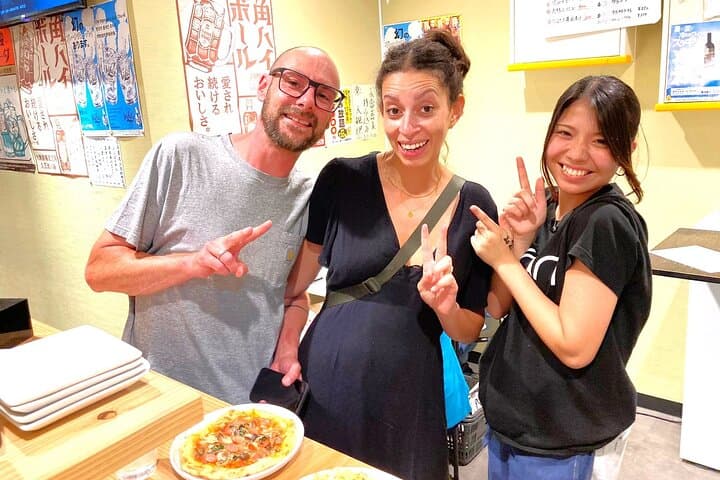
Guides pick two neighborhood favorites where ¥1,500 per stop covers small plates and a drink: expect fresh sashimi, grilled squid, and fruity awamori cocktails. Conversations are shared, not staged; locals often invite newcomers into the flow, and songs or toasts are common. The guide serves as a cultural bridge—helping with ordering, explaining dishes, and reading the mood of each room.
Practical notes: the experience runs about two hours and is suitable for solo travelers or small groups. Bring a form of ID, a small amount of cash in yen, and comfortable shoes for walking between venues. Pace your drinking, ask about allergens before ordering, and use public transport or a licensed taxi after the tour. The result is less a checklist and more a layered night: food, stories, and the steady, hospitable rhythm that defines Okinawa after dark.
easy.
2 hours.
Minimal physical fitness required—short walks between nearby venues and standing indoors occasionally.
The tour provides a ¥1,500 credit at each of two venues to spend on small plates and drinks; you can top up personally if you want more.
Many participating venues and the transport options are wheelchair accessible, but let the operator know in advance to confirm specific stops.
Yes—guides can advise and request modifications, but always inform the operator ahead of time and double-check ingredients at each stop.
This is a two-hour evening experience; exact start times vary by city—confirm on booking and arrive 10–15 minutes early.
Drinking culture in Okinawa reflects its Ryukyu Kingdom past and maritime trade; awamori dates back centuries and remains central to social drinking.
Support local businesses that minimize single-use plastics and avoid over-ordering seafood; ask about sustainable sourcing at sashimi-focused izakayas.
DeepExperience operates guided outdoor trips and adventures with an emphasis on safety, stewardship, and memorable experiences.

The neon-lit lanes of Naha or the salt-scented alleys of Chatan set the scene: lanterns sway above narrow streets, the surf beyond the promenade murmurs, and a guide leads you through doors marked by hand-written menus and the hum of conversation.
The neon-lit lanes of Naha or the salt-scented alleys of Chatan set the scene: lanterns sway above narrow streets, the surf beyond the promenade murmurs, and a guide leads you through doors marked by hand-written menus and the hum of conversation.
This tour folds contemporary nightlife into centuries-old island culture. Okinawa’s drinking traditions come from the Ryukyu Kingdom’s history of trade across East Asia; awamori, the island’s distilled spirit, carries that lineage in each glass. Geologically, the island’s coral limestone gives its towns a low-rise, open feel — streets open to the sea and the wind — so evenings often move from cramped izakayas to breezy outdoor counters.
Guides pick two neighborhood favorites where ¥1,500 per stop covers small plates and a drink: expect fresh sashimi, grilled squid, and fruity awamori cocktails. Conversations are shared, not staged; locals often invite newcomers into the flow, and songs or toasts are common. The guide serves as a cultural bridge—helping with ordering, explaining dishes, and reading the mood of each room.
Practical notes: the experience runs about two hours and is suitable for solo travelers or small groups. Bring a form of ID, a small amount of cash in yen, and comfortable shoes for walking between venues. Pace your drinking, ask about allergens before ordering, and use public transport or a licensed taxi after the tour. The result is less a checklist and more a layered night: food, stories, and the steady, hospitable rhythm that defines Okinawa after dark.