THE ADVENTURE COLLECTIVE® · Independent discovery and booking for outdoor travel

Step into a Naha dojo for a focused two-hour kendo introduction led by an English-speaking instructor. Learn etiquette, strikes, and light sparring while wearing rented bogu—perfect for curious beginners who want hands-on samurai culture in Okinawa.
Step into a Naha dojo for a focused two-hour kendo introduction led by an English-speaking instructor. Learn etiquette, strikes, and light sparring while wearing rented bogu—perfect for curious beginners who want hands-on samurai culture in Okinawa.
You step from Naha’s humid street into a cool wooden hall where the echo of shinai—the bamboo swords—reverberates like a heartbeat. Light from narrow windows picks out dust motes and the neat rows of bogu (armor) waiting for newcomers.
Verified experiences and guided adventures in the surrounding area.
Operated by SAMURAI TRIP · Naha, Okinawa Prefecture
You step from Naha’s humid street into a cool wooden hall where the echo of shinai—the bamboo swords—reverberates like a heartbeat. Light from narrow windows picks out dust motes and the neat rows of bogu (armor) waiting for newcomers.
Kendo here is both practice and ritual. The instructor, fluent in English and with over 20 years’ experience, guides you through etiquette, basic strikes, and simple kata before suiting you in rented equipment. Expect hands-on drills, light sparring games, and a demonstration that shows how modern kendo grew from kenjutsu and the discipline of the samurai. Nearby Okinawa has its own martial lineage—karate’s island roots—and the session highlights how different Japanese sword arts share focus on posture, breath, and respect.
Geologically, Okinawa’s island limestone and coastal breezes shape the air you return to after training; culturally, Naha blends postwar modernization with Ryukyu traditions, making the dojo an urban slice of living history.
Practical guidance: the experience runs two hours, suitable for beginners with moderate fitness. Rental bogu and a free kendo towel are provided; bottled water is included. Arrive 10–15 minutes early, wear comfortable athletic clothing you can move in, and be prepared to follow strict dojo etiquette (no shoes on the training floor, quiet attention during instruction). Not recommended for those with spinal, heart conditions, or pregnancy. Finish with cool-down stretches and a chance to ask about technique or Okinawa’s wider martial culture.
moderate.
2 hours.
Moderate level of fitness; able to stand, move quickly, and perform basic partner drills for two hours.
No—this program is designed for beginners and starts with etiquette, footwork, and basic striking before moving to controlled partner work.
Yes—rental kendo equipment (bogu and shinai) and a complimentary kendo towel are included in the booking price.
Yes—the advertised instructor conducts lessons in clear English and explains technique and cultural context for international guests.
Full refund if cancelled at least 24 hours before the scheduled time; last-minute cancellations within 24 hours are non-refundable per the booking terms.
Kendo evolved from samurai swordsmanship (kenjutsu) into a modern martial sport; Okinawa separately developed karate, so a visit here contrasts two distinct Japanese martial traditions.
Respect dojo spaces by following etiquette and minimizing waste; support local crafts and small dojos that preserve intangible cultural heritage.
SAMURAI TRIP operates guided outdoor trips and adventures with an emphasis on safety, stewardship, and memorable experiences.
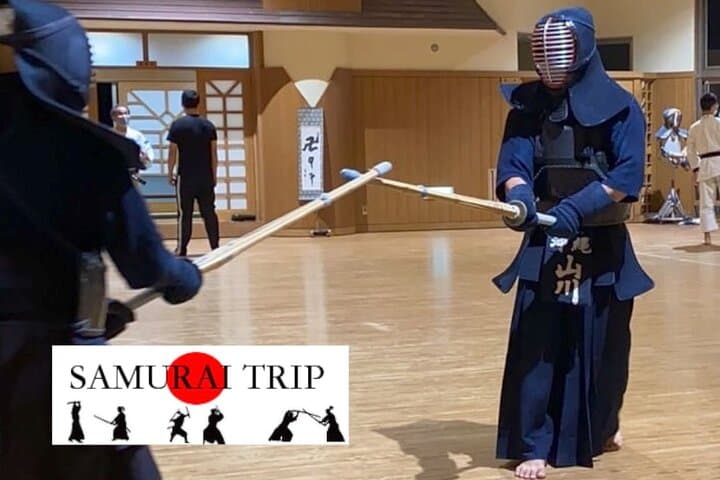
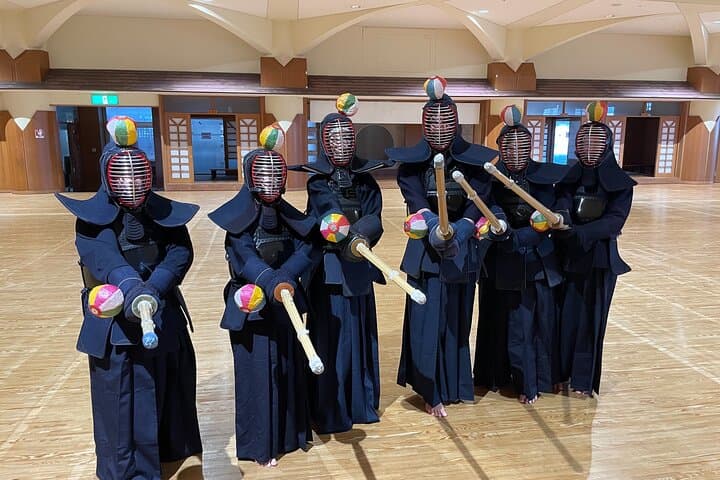
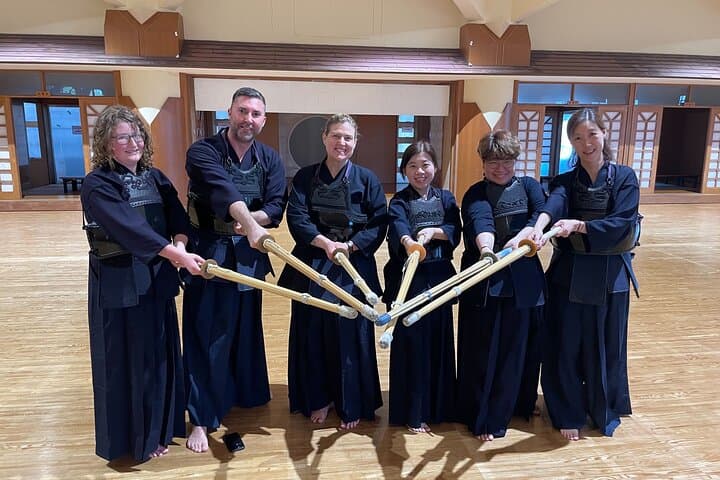
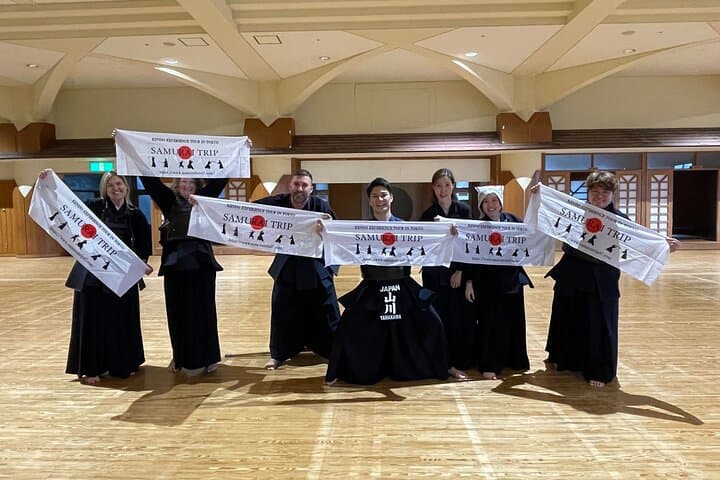
You step from Naha’s humid street into a cool wooden hall where the echo of shinai—the bamboo swords—reverberates like a heartbeat. Light from narrow windows picks out dust motes and the neat rows of bogu (armor) waiting for newcomers.
You step from Naha’s humid street into a cool wooden hall where the echo of shinai—the bamboo swords—reverberates like a heartbeat. Light from narrow windows picks out dust motes and the neat rows of bogu (armor) waiting for newcomers.
Kendo here is both practice and ritual. The instructor, fluent in English and with over 20 years’ experience, guides you through etiquette, basic strikes, and simple kata before suiting you in rented equipment. Expect hands-on drills, light sparring games, and a demonstration that shows how modern kendo grew from kenjutsu and the discipline of the samurai. Nearby Okinawa has its own martial lineage—karate’s island roots—and the session highlights how different Japanese sword arts share focus on posture, breath, and respect.
Geologically, Okinawa’s island limestone and coastal breezes shape the air you return to after training; culturally, Naha blends postwar modernization with Ryukyu traditions, making the dojo an urban slice of living history.
Practical guidance: the experience runs two hours, suitable for beginners with moderate fitness. Rental bogu and a free kendo towel are provided; bottled water is included. Arrive 10–15 minutes early, wear comfortable athletic clothing you can move in, and be prepared to follow strict dojo etiquette (no shoes on the training floor, quiet attention during instruction). Not recommended for those with spinal, heart conditions, or pregnancy. Finish with cool-down stretches and a chance to ask about technique or Okinawa’s wider martial culture.