THE ADVENTURE COLLECTIVE® · Independent discovery and booking for outdoor travel

An 11-day private loop through the Okavango Delta, Moremi, Khwai, Savuti and Chobe — optimized for wildlife photography with luxury tented camps, mokoro excursions (when water permits), and expert guides. Learn what to pack, when to go, and what wildlife to expect.
An 11-day private loop through the Okavango Delta, Moremi, Khwai, Savuti and Chobe — optimized for wildlife photography with luxury tented camps, mokoro excursions (when water permits), and expert guides. Learn what to pack, when to go, and what wildlife to expect.
You step out of a small charter plane and the Okavango opens beneath you: braided channels glint like veins, islands of mopane and leadwood punctuating broad, water-fed plains. The smell of dust and river reed rises as your guide unloads lenses and cool boxes; this is a safari paced for photography and close, careful viewing.
Verified experiences and guided adventures in the surrounding area.
Operated by Wild For Game Safaris · Maun, Ngamiland (North-West District)
You step out of a small charter plane and the Okavango opens beneath you: braided channels glint like veins, islands of mopane and leadwood punctuating broad, water-fed plains. The smell of dust and river reed rises as your guide unloads lenses and cool boxes; this is a safari paced for photography and close, careful viewing.
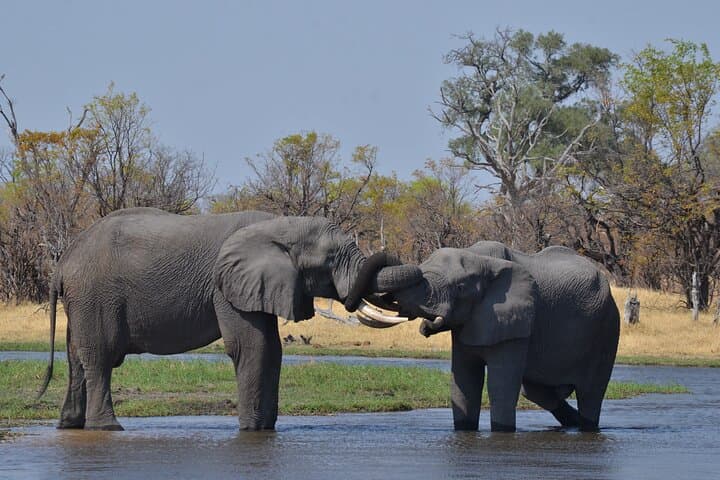
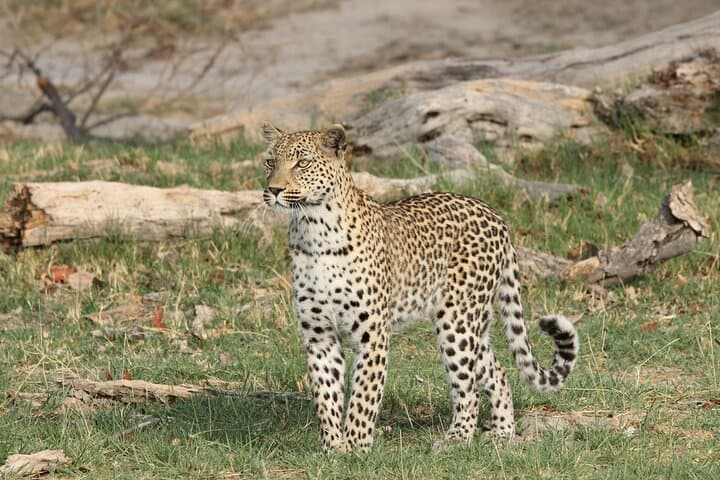
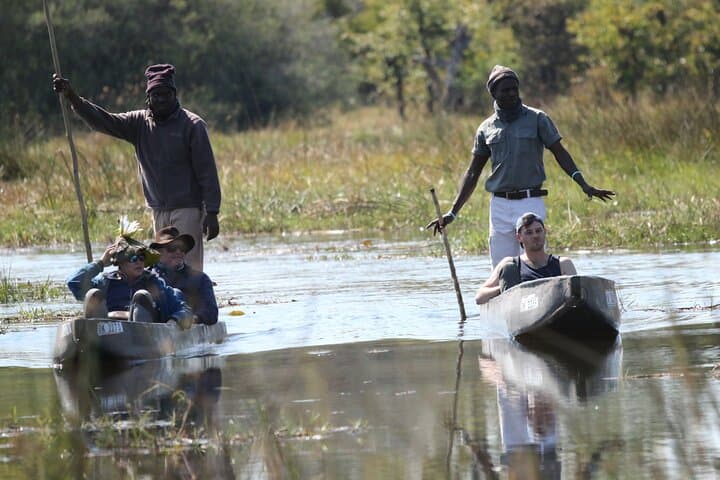
This private northern loop threads Moremi’s seasonal floodplains, the Khwai woodlands and marshes, the predator-rich Savuti channel, then finishes with river-edge scenes on the Chobe. Geologically the Okavango is an inland delta fed by Angolan rains; water levels shape roadability and the availability of mokoro (traditional dugout canoe) trips. Culturally, the route crosses community areas like Khwai where village life and wildlife management meet — local guides and polers carry knowledge passed down through generations.
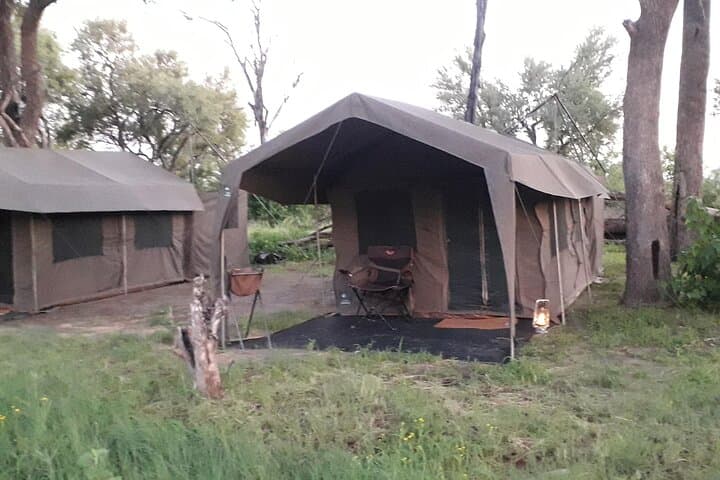
Expect game drives at dawn and dusk, longer drives between regions, and an optional mokoro or boat depending on water. Tented camps are set with beds and ensuite facilities, and a camp chef prepares game-ready meals each night. Guides brief on etiquette and safety — keep movement minimal around known predators and follow instructions at all times.
Practicals: bring neutral, quick-dry clothing, a reliable telephoto lens, binoculars, sun protection and malaria prophylaxis. Charge batteries nightly (solar backups recommended) and pack soft-sided bags for easy transfer. Travel windows are weather-dependent; the wet season heightens bird and aquatic life but can limit vehicle access, while the dry season concentrates game along waterways for dramatic encounters.
moderate.
11 days.
Suitable for travelers in good general health; low‑impact days but expect long game-drive hours and occasional walking around camps.
Mokoro excursions depend entirely on water levels; if channels are low the operator substitutes additional game drives.
Visa and vaccination requirements depend on nationality; check your embassy for visa rules and consult a travel clinic for routine and recommended vaccines including malaria advice.
Camps are reached by small charter flights and road transfers; soft-sided luggage and light packing streamline transfers between sites.
Luxury tented accommodation with beds, linen and en-suite facilities is provided, plus breakfast, lunch and dinner as outlined in the itinerary.
The Okavango Delta formed as an inland basin capturing Angolan rainwater; local communities like Khwai have long combined pastoral life with wildlife stewardship and guiding traditions.
The region depends on seasonally shifting water; community-based tourism and anti-poaching programs aim to balance livelihoods with protecting corridors and predator populations.
Wild For Game Safaris operates guided outdoor trips and adventures with an emphasis on safety, stewardship, and memorable experiences.
You step out of a small charter plane and the Okavango opens beneath you: braided channels glint like veins, islands of mopane and leadwood punctuating broad, water-fed plains. The smell of dust and river reed rises as your guide unloads lenses and cool boxes; this is a safari paced for photography and close, careful viewing.
You step out of a small charter plane and the Okavango opens beneath you: braided channels glint like veins, islands of mopane and leadwood punctuating broad, water-fed plains. The smell of dust and river reed rises as your guide unloads lenses and cool boxes; this is a safari paced for photography and close, careful viewing.
This private northern loop threads Moremi’s seasonal floodplains, the Khwai woodlands and marshes, the predator-rich Savuti channel, then finishes with river-edge scenes on the Chobe. Geologically the Okavango is an inland delta fed by Angolan rains; water levels shape roadability and the availability of mokoro (traditional dugout canoe) trips. Culturally, the route crosses community areas like Khwai where village life and wildlife management meet — local guides and polers carry knowledge passed down through generations.
Expect game drives at dawn and dusk, longer drives between regions, and an optional mokoro or boat depending on water. Tented camps are set with beds and ensuite facilities, and a camp chef prepares game-ready meals each night. Guides brief on etiquette and safety — keep movement minimal around known predators and follow instructions at all times.
Practicals: bring neutral, quick-dry clothing, a reliable telephoto lens, binoculars, sun protection and malaria prophylaxis. Charge batteries nightly (solar backups recommended) and pack soft-sided bags for easy transfer. Travel windows are weather-dependent; the wet season heightens bird and aquatic life but can limit vehicle access, while the dry season concentrates game along waterways for dramatic encounters.