THE ADVENTURE COLLECTIVE® · Independent discovery and booking for outdoor travel

A full-day guided loop from Aomori to Oirase Stream and Lake Towada delivers forested waterfalls, a double-caldera lake, and accessible short hikes—ideal for photographers and nature lovers seeking a concentrated day in northern Japan's volcanic highlands.
A full-day guided loop from Aomori to Oirase Stream and Lake Towada delivers forested waterfalls, a double-caldera lake, and accessible short hikes—ideal for photographers and nature lovers seeking a concentrated day in northern Japan's volcanic highlands.
A morning mist clings to the rocks along Oirase Stream as the van eases off the expressway and the forest hush presses in.
Walkers move at eye level with the water, where small falls and riffles push and pull at the current, and mossed boulders dare you to step closer for a photograph.
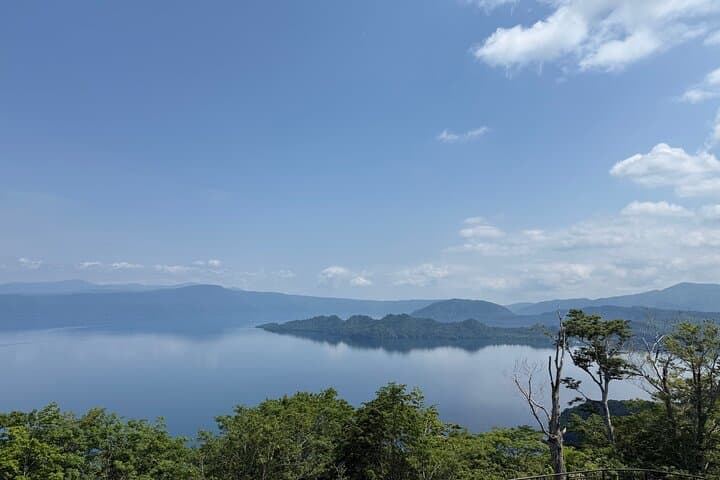
Later the road opens to Lake Towada's broad rim—an expanse of glassy water held in a double caldera—where a quiet shrine and a statue of two women mark a cultural edge between lake and village.
Verified experiences and guided adventures in the surrounding area.
Operated by Tomio Yokouchi · Towada, Aomori Prefecture
A morning mist clings to the rocks along Oirase Stream as the van eases off the expressway and the forest hush presses in.
Walkers move at eye level with the water, where small falls and riffles push and pull at the current, and mossed boulders dare you to step closer for a photograph.
Later the road opens to Lake Towada's broad rim—an expanse of glassy water held in a double caldera—where a quiet shrine and a statue of two women mark a cultural edge between lake and village.
Geology and history are plain here: Towada occupies volcanic caldera(s) carved by eruptions and collapse, while Oirase Stream is the lake’s outflow that over centuries etched a deep, forested gorge.
Locals have long treated the lake as both a resource and a sacred place; seasonal festivals and shrine visits still anchor the shoreline communities.
Practical guidance is straightforward. Expect a full day (7–8 hours) of short walks and scenic stops rather than high-mileage hiking; trails beside the stream are uneven with roots and wet rock.
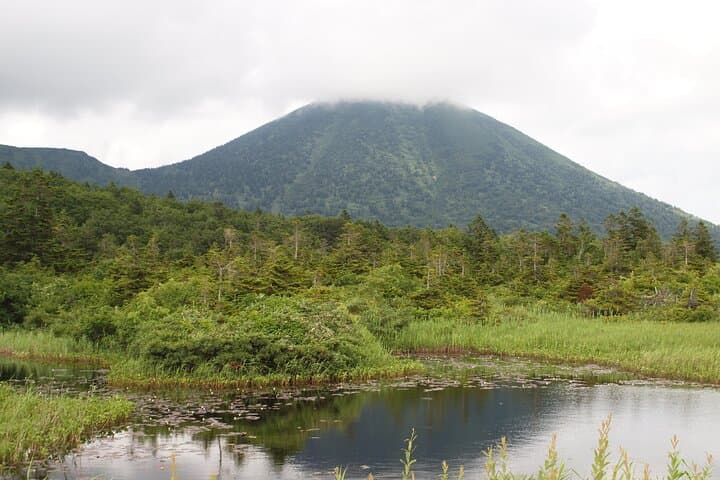
Bring waterproof footwear, layered clothing for variable mountain weather, and cash for the Mt. Hakkoda aerial tram (fare noted on-site).
Photography is best in morning or late afternoon light when the forest and falls take on depth; mid-day provides even light but harsher reflections on the water.
Respect trail markers, avoid entering closed areas by the caldera rim, and leave no trace—these landscapes are fragile and heavily visited in peak seasons.
moderate.
7–8 hours.
Suitable for travelers in average fitness; involves several short walks (30–90 minutes) on uneven terrain.
No, the aerial tram fare (approx. 2,000 JPY) is paid on-site and is not included in the tour price.
Lunch and snacks are not included; the itinerary allows time for a local lakeside lunch where you can purchase food.
Yes—physical requirements are modest, but participants should be comfortable walking on uneven, sometimes slippery trails.
The operator may cancel tours in poor weather; check cancellation policy and dress for rain and wind if conditions are uncertain.
Lake Towada sits within a double caldera formed by volcanic eruptions; the lake and surrounding forests have been part of local spiritual practice and seasonal festivals for centuries.
Stick to marked trails, avoid wading in protected stream sections, and carry out all trash—riparian vegetation and lake water quality are sensitive to trampling and litter.
Tomio Yokouchi operates guided outdoor trips and adventures with an emphasis on safety, stewardship, and memorable experiences.
A morning mist clings to the rocks along Oirase Stream as the van eases off the expressway and the forest hush presses in.
Walkers move at eye level with the water, where small falls and riffles push and pull at the current, and mossed boulders dare you to step closer for a photograph.
Later the road opens to Lake Towada's broad rim—an expanse of glassy water held in a double caldera—where a quiet shrine and a statue of two women mark a cultural edge between lake and village.
Geology and history are plain here: Towada occupies volcanic caldera(s) carved by eruptions and collapse, while Oirase Stream is the lake’s outflow that over centuries etched a deep, forested gorge.
Locals have long treated the lake as both a resource and a sacred place; seasonal festivals and shrine visits still anchor the shoreline communities.
Practical guidance is straightforward. Expect a full day (7–8 hours) of short walks and scenic stops rather than high-mileage hiking; trails beside the stream are uneven with roots and wet rock.
Bring waterproof footwear, layered clothing for variable mountain weather, and cash for the Mt. Hakkoda aerial tram (fare noted on-site).
Photography is best in morning or late afternoon light when the forest and falls take on depth; mid-day provides even light but harsher reflections on the water.
Respect trail markers, avoid entering closed areas by the caldera rim, and leave no trace—these landscapes are fragile and heavily visited in peak seasons.