THE ADVENTURE COLLECTIVE® · Independent discovery and booking for outdoor travel

Head offshore from Puerto Rico, Gran Canaria, for a 2.5-hour dolphin and whale safari that combines accessible boating, expert guides and high chances to see common dolphins, pilot whales and more. Expect clear narration, onboard amenities and ethical viewing practices.
Head offshore from Puerto Rico, Gran Canaria, for a 2.5-hour dolphin and whale safari that combines accessible boating, expert guides and high chances to see common dolphins, pilot whales and more. Expect clear narration, onboard amenities and ethical viewing practices.
The boat slips out of Puerto Rico’s sheltered harbor and the coastline folds away—cliffs give way to low volcanic slopes as the Atlantic opens and the sea takes center stage.
Verified experiences and guided adventures in the surrounding area.
Operated by Dolphin and Whales · Puerto Rico (Gran Canaria), Las Palmas
The boat slips out of Puerto Rico’s sheltered harbor and the coastline folds away—cliffs give way to low volcanic slopes as the Atlantic opens and the sea takes center stage.
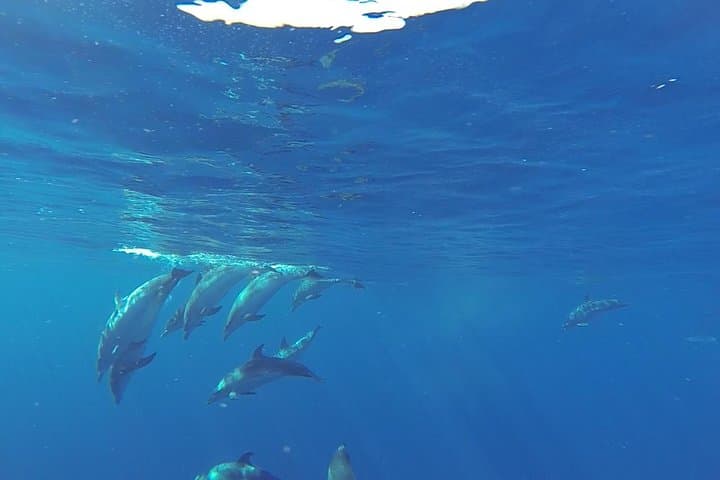
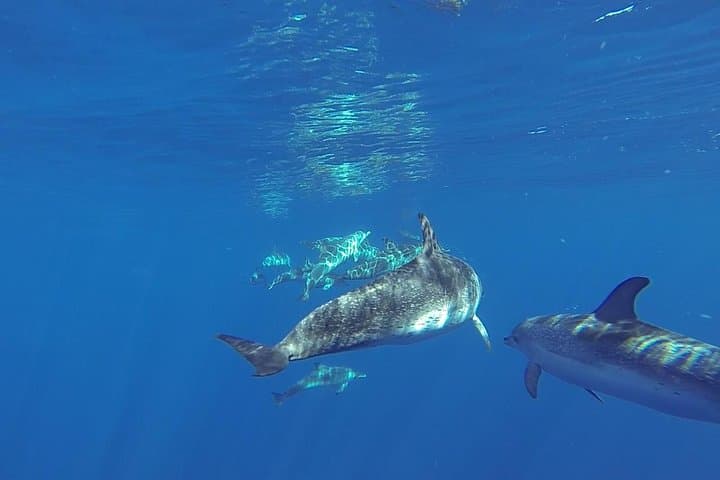
On this 2.5-hour safari you sit on deck while guides scan the water, narrating species and behaviors as fins and blows puncture the horizon. Gran Canaria sits on a deep ocean shelf where upwelling and currents concentrate food; that geology helps explain why around 30 cetacean species pass these shores. Local fishermen and the island’s maritime history echo in the language of the crew, who translate science into quick field lessons about dolphins, pilot whales and occasional blue whales.
The coastline’s volcanic past is visible in the basalt cliffs and pebbled coves; culturally, the southwest coast blends tourist bays with fishing villages like Puerto de Mogán, where traditional net mending still happens. Conservation rules from the Canary Islands govern approach distances and behavior—operators run permits and briefings to minimize disturbance.
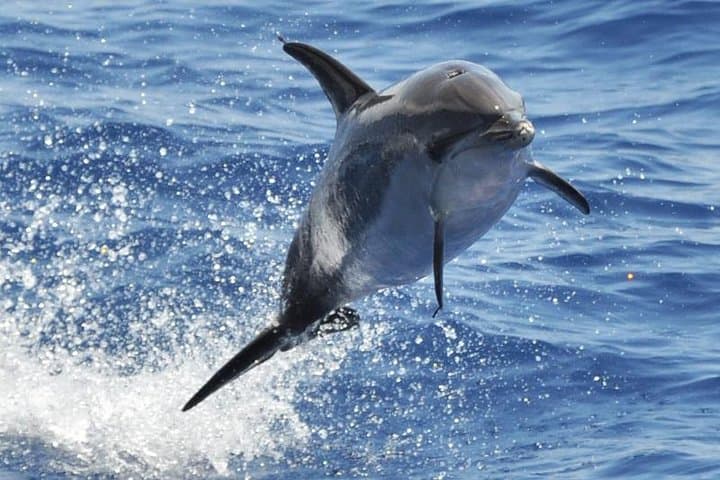
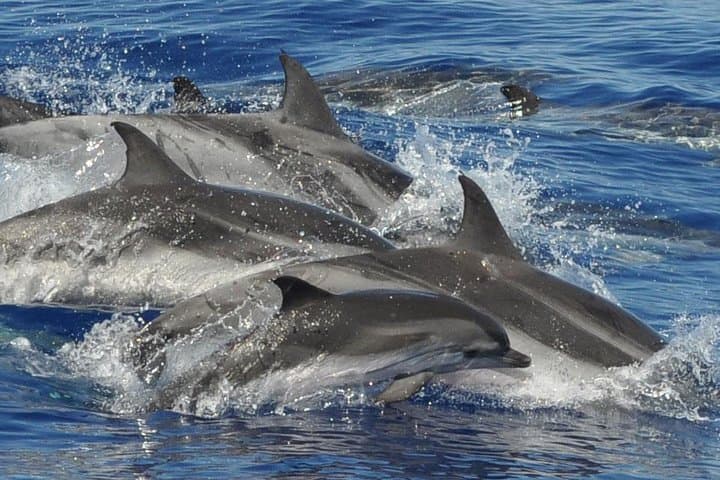
Practical guidance: bring windproof layers, sun protection and binoculars; expect gentle rolling but occasional swell. Tours include water and soft drinks and have wheelchair access; infants ride on laps. If the sea is flat you may see dolphins porpoising near the bow; if rough, the crew will prioritize safety and reschedule when possible. Photographers should use fast shutter speeds and a steady hand—wildlife sightings are fleeting but vivid. Whether you’re chasing a pod of common dolphins or hoping for a rare blue whale silhouette, the trip pairs approachable adventure with responsible wildlife viewing—an Atlantic encounter that rewards patience and respect.
easy.
2.5 hours.
Suitable for most fitness levels; requires ability to board a small-to-medium boat and stand or sit on deck for the trip.
No sightings are guaranteed, but the operator offers a free rebooking if no cetaceans are seen on your trip.
Swimming is sometimes allowed if the captain deems conditions safe; follow crew instructions and only enter in designated stops.
Yes — the tour notes wheelchair accessible surfaces and boarding assistance where possible, but check specific transfer needs when booking.
Yes — infants must sit on an adult’s lap; the cruise is suitable for families though safety briefings cover child seating and life jackets.
Gran Canaria’s southwest coast formed from volcanic eruptions and long-term marine erosion; fishing and maritime trade shaped local villages like Puerto de Mogán.
Operators run under Canary Islands permits and follow approach-distance rules; visitors are encouraged to minimize noise, avoid feeding wildlife and use reef-safe sunscreens.
Dolphin and Whales operates guided outdoor trips and adventures with an emphasis on safety, stewardship, and memorable experiences.
The boat slips out of Puerto Rico’s sheltered harbor and the coastline folds away—cliffs give way to low volcanic slopes as the Atlantic opens and the sea takes center stage.
The boat slips out of Puerto Rico’s sheltered harbor and the coastline folds away—cliffs give way to low volcanic slopes as the Atlantic opens and the sea takes center stage.
On this 2.5-hour safari you sit on deck while guides scan the water, narrating species and behaviors as fins and blows puncture the horizon. Gran Canaria sits on a deep ocean shelf where upwelling and currents concentrate food; that geology helps explain why around 30 cetacean species pass these shores. Local fishermen and the island’s maritime history echo in the language of the crew, who translate science into quick field lessons about dolphins, pilot whales and occasional blue whales.
The coastline’s volcanic past is visible in the basalt cliffs and pebbled coves; culturally, the southwest coast blends tourist bays with fishing villages like Puerto de Mogán, where traditional net mending still happens. Conservation rules from the Canary Islands govern approach distances and behavior—operators run permits and briefings to minimize disturbance.
Practical guidance: bring windproof layers, sun protection and binoculars; expect gentle rolling but occasional swell. Tours include water and soft drinks and have wheelchair access; infants ride on laps. If the sea is flat you may see dolphins porpoising near the bow; if rough, the crew will prioritize safety and reschedule when possible. Photographers should use fast shutter speeds and a steady hand—wildlife sightings are fleeting but vivid. Whether you’re chasing a pod of common dolphins or hoping for a rare blue whale silhouette, the trip pairs approachable adventure with responsible wildlife viewing—an Atlantic encounter that rewards patience and respect.