THE ADVENTURE COLLECTIVE® · Independent discovery and booking for outdoor travel

Swap the resort for grit, speed and salt spray: a 3–4 hour offroad buggy loop to Macao Beach, a freshwater lagoon and a local ranch that packs adrenaline, coastal views and Dominican rural culture into one morning or afternoon.
Swap the resort for grit, speed and salt spray: a 3–4 hour offroad buggy loop to Macao Beach, a freshwater lagoon and a local ranch that packs adrenaline, coastal views and Dominican rural culture into one morning or afternoon.
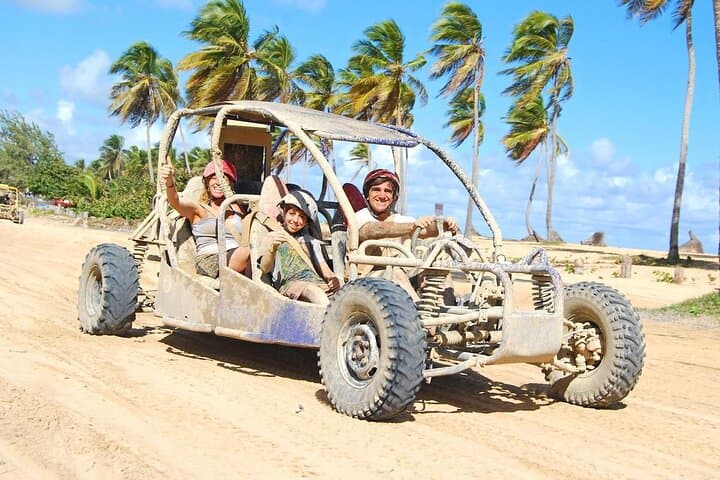
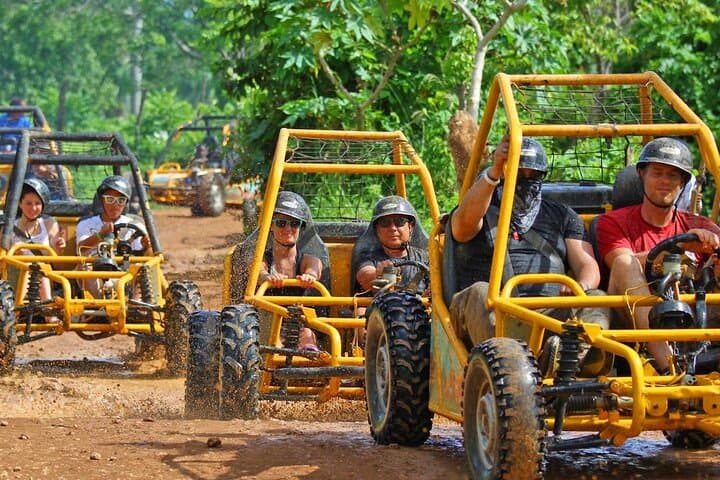
The engine growls before the trees thin and the ocean appears—blue here and sharp against a rim of white sand. You grip the wheel as the buggy eats a rutted track, dust puffing and then falling away like a curtain. The ride to Macao Beach in a mud-splattered buggy is immediate and physical: wind pushes at your shoulders, the coastline dares you to look away, and a limestone lagoon waits a short scramble from an ancient cave.
Verified experiences and guided adventures in the surrounding area.
Operated by Everything Punta Cana · Punta Cana, La Altagracia
The engine growls before the trees thin and the ocean appears—blue here and sharp against a rim of white sand. You grip the wheel as the buggy eats a rutted track, dust puffing and then falling away like a curtain. The ride to Macao Beach in a mud-splattered buggy is immediate and physical: wind pushes at your shoulders, the coastline dares you to look away, and a limestone lagoon waits a short scramble from an ancient cave.
This three- to four-hour loop is as much about terrain as it is about place. The northeast coast of the Dominican Republic is a shelf of coral rock and sand, scarred by rivers and time. Sugarcane and small plantations give way to scrub and coastal palms; at a local ranch the guides demonstrate cacao, coffee and tobacco production—reminders that Punta Cana’s tourism sits atop a long agrarian history tied to colonial trade and indigenous Taino routes.
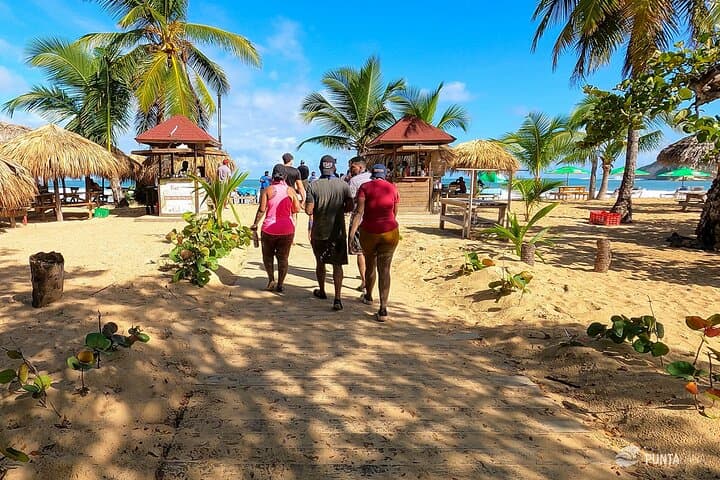
Geology shows up in the concave cliffs and the freshwater sink that forms the lagoon: groundwater percolates through fractured limestone, pooling in a cool pocket shaded by guava and almond trees. The beach stop at Macao is raw and exposed—waves curl with enough force to make the shoreline feel alive—and the cave’s cool water is an immediate reward after the heat and dust.
Practicalities matter here. The ride is offroad and physical; the company recommends a high fitness level. Expect mud twice on the route and a fair bit of bouncing; showers are available but not extensive. Pick-up and drop-off from most Bavaro–Punta Cana hotels is included, and group sizes top out near 14, so the experience feels private without being isolated.
Timing changes the feel: mornings are cooler and the light is cleaner on the water; afternoons bring stronger winds and higher waves that amplify the beach’s drama. Bring a secure dry bag for phones, closed-toe water shoes for the lagoon, and clothes you don’t mind getting gritty. Stay hydrated—caribbean heat climbs quickly—and follow the guides when you climb into the cave or take a shoreline walk; currents at Macao can be surprisingly strong.
For travelers who want a break from resort pools, this buggy circuit stitches together adrenaline, local color and tactile landscape: dust, sea spray, a bitter sip of freshly made coffee on a plantation, and the slick cool of cave water. It’s a condensed portrait of Punta Cana away from the polished lobbies—rough, direct and designed to be felt under your palms.
moderate.
3–4 hours.
Participants should be in good physical condition—able to handle bumpy rides, short hikes, and occasional climbs into caves and through uneven terrain.
The experience runs about 3 to 4 hours, including hotel pick-up, driving to Macao Beach, the lagoon and a short ranch visit.
Families may participate but check age and health limits with the operator—seats are bumpy and the tour is physically demanding.
Yes—mud is expected at least twice and you'll likely get wet at the lagoon and cave stop; bring a change of clothes.
Pickup and drop-off from most Bavaro–Punta Cana hotels is included; remote areas like Miches or La Romana may carry an extra charge.
Basic showers are available at the meeting points but facilities are limited; plan accordingly.
Not recommended for pregnant travelers or people with spinal or serious cardiovascular conditions due to rough terrain and jarring motion.
The area around Punta Cana evolved from small agricultural communities; plantations nearby still produce cacao, coffee and tobacco that predate mass tourism.
Coastal erosion and heavy tourism footprint threaten dune systems; stay on marked access points, avoid disturbing nesting areas, and take any trash back to town.
Everything Punta Cana operates guided outdoor trips and adventures with an emphasis on safety, stewardship, and memorable experiences.
The engine growls before the trees thin and the ocean appears—blue here and sharp against a rim of white sand. You grip the wheel as the buggy eats a rutted track, dust puffing and then falling away like a curtain. The ride to Macao Beach in a mud-splattered buggy is immediate and physical: wind pushes at your shoulders, the coastline dares you to look away, and a limestone lagoon waits a short scramble from an ancient cave.
The engine growls before the trees thin and the ocean appears—blue here and sharp against a rim of white sand. You grip the wheel as the buggy eats a rutted track, dust puffing and then falling away like a curtain. The ride to Macao Beach in a mud-splattered buggy is immediate and physical: wind pushes at your shoulders, the coastline dares you to look away, and a limestone lagoon waits a short scramble from an ancient cave.
This three- to four-hour loop is as much about terrain as it is about place. The northeast coast of the Dominican Republic is a shelf of coral rock and sand, scarred by rivers and time. Sugarcane and small plantations give way to scrub and coastal palms; at a local ranch the guides demonstrate cacao, coffee and tobacco production—reminders that Punta Cana’s tourism sits atop a long agrarian history tied to colonial trade and indigenous Taino routes.
Geology shows up in the concave cliffs and the freshwater sink that forms the lagoon: groundwater percolates through fractured limestone, pooling in a cool pocket shaded by guava and almond trees. The beach stop at Macao is raw and exposed—waves curl with enough force to make the shoreline feel alive—and the cave’s cool water is an immediate reward after the heat and dust.
Practicalities matter here. The ride is offroad and physical; the company recommends a high fitness level. Expect mud twice on the route and a fair bit of bouncing; showers are available but not extensive. Pick-up and drop-off from most Bavaro–Punta Cana hotels is included, and group sizes top out near 14, so the experience feels private without being isolated.
Timing changes the feel: mornings are cooler and the light is cleaner on the water; afternoons bring stronger winds and higher waves that amplify the beach’s drama. Bring a secure dry bag for phones, closed-toe water shoes for the lagoon, and clothes you don’t mind getting gritty. Stay hydrated—caribbean heat climbs quickly—and follow the guides when you climb into the cave or take a shoreline walk; currents at Macao can be surprisingly strong.
For travelers who want a break from resort pools, this buggy circuit stitches together adrenaline, local color and tactile landscape: dust, sea spray, a bitter sip of freshly made coffee on a plantation, and the slick cool of cave water. It’s a condensed portrait of Punta Cana away from the polished lobbies—rough, direct and designed to be felt under your palms.