THE ADVENTURE COLLECTIVE® · Independent discovery and booking for outdoor travel

Skip the postcard and move beyond the main square: this official Park Güell entry guide helps you see Gaudí’s mosaics, viaducts, and gardens with practical timing, route, and etiquette tips. Plan for an hour to explore the Monumental Zone and the Gaudí House Museum.
Skip the postcard and move beyond the main square: this official Park Güell entry guide helps you see Gaudí’s mosaics, viaducts, and gardens with practical timing, route, and etiquette tips. Plan for an hour to explore the Monumental Zone and the Gaudí House Museum.
You step through the gate and the city’s hum falls away — stone terraces curve like shells, benches unfurl in a sea of tile, and pine trees lean as if to point the way.
Verified experiences and guided adventures in the surrounding area.
Operated by Roots in Rome · Barcelona, Catalonia
You step through the gate and the city’s hum falls away — stone terraces curve like shells, benches unfurl in a sea of tile, and pine trees lean as if to point the way.
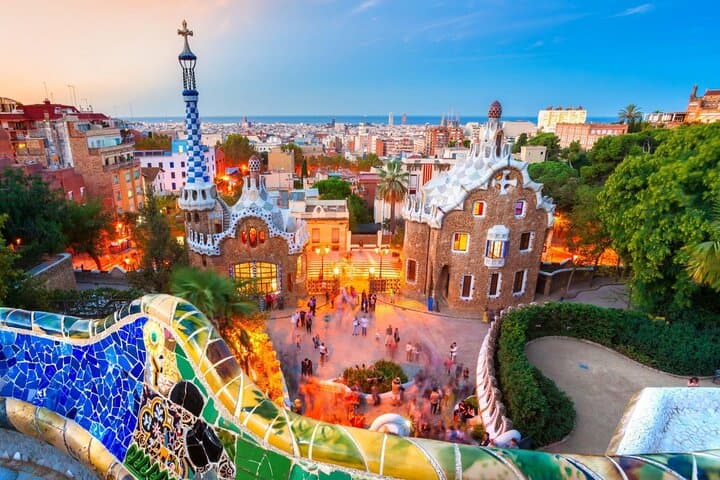
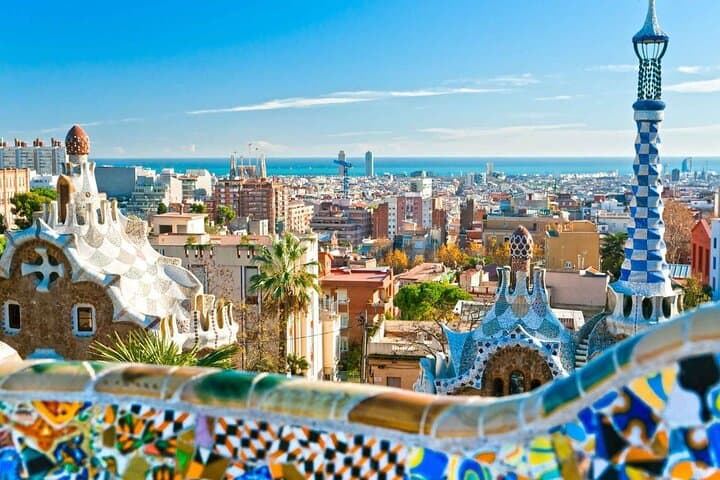
Park Güell was born from a bold experiment: a planned housing development commissioned by Eusebi Güell and shaped by Antoni Gaudí from 1900–1914. Built atop a chequered mix of clay and sandstone on Carmel Hill, the park blends Catalan Modernisme with engineered viaducts, terraces, and sculpted gardens that respond to the slope and sun. Local craftsmen covered drystone structures with trencadís mosaic; the result resists tidy description and rewards slow inspection.
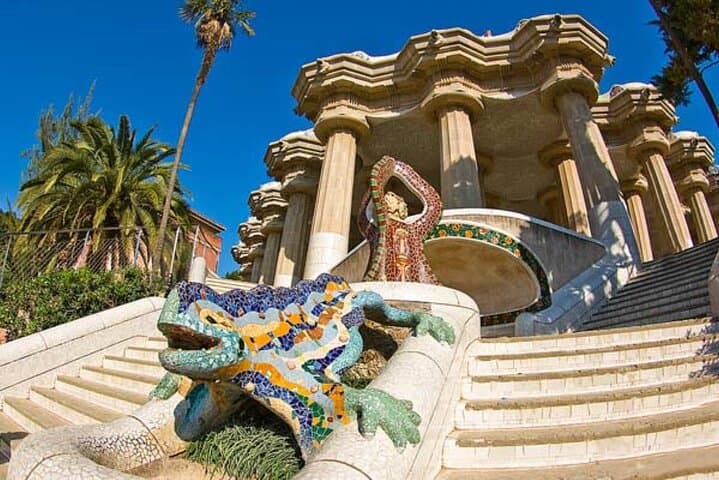
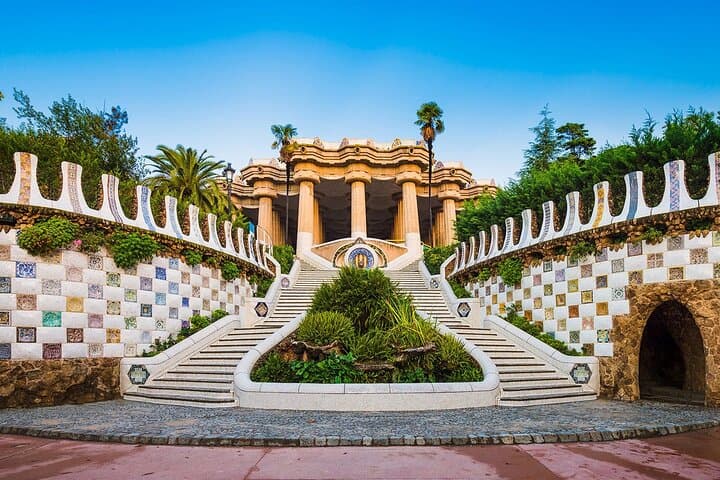
Culturally, Park Güell is both neighborhood green space and museum — the Gaudí House Museum stands within its walls, while the Hypostyle Room and the serpentine bench announce themselves as stages for photographers and history lovers alike. The park’s design channels Mediterranean light and wind; in summer the pines offer shade, in winter the terraces lay bare their geometry.
Practical guidance: arrivals are timed to reduce overcrowding — book an official entry and plan at least 60 minutes to see the Monumental Zone and the museum. Wear comfortable shoes for uneven stone and short climbs; bring water and a light layer for breezy ridge-top conditions. Respect the mosaics: do not climb the sculptures, and follow signage to preserve fragile features. Visit early or late in the day for cooler light and fewer crowds, and allow time afterward to descend into Gràcia for local cafés and viewpoints.
easy.
1 hour.
Suitable for all fitness levels; involves short uphill paths and steps but no technical climbing.
Allocate at least 60 minutes for the Monumental Zone and the Gaudí House Museum; 90–120 minutes if you want a relaxed pace and photos.
Key areas and surfaces in the Monumental Zone are wheelchair accessible, though some paths around the park are steeper or uneven.
The Monumental Zone requires a timed ticket; other sections of the park are publicly accessible but may still be busy.
Multi-language audio guides are commonly available with official entry options; check your booking details for inclusions.
Park Güell began as a private housing project led by Eusebi Güell and designed by Antoni Gaudí between 1900 and 1914; it opened to the public after plans for houses failed and became municipal property in the 1920s.
Timed tickets and restricted access to the Monumental Zone help control visitor impact; visitors are asked to stay on paths, not touch mosaics, and pack out trash to protect fragile structures and plantings.
Roots in Rome operates guided outdoor trips and adventures with an emphasis on safety, stewardship, and memorable experiences.
You step through the gate and the city’s hum falls away — stone terraces curve like shells, benches unfurl in a sea of tile, and pine trees lean as if to point the way.
You step through the gate and the city’s hum falls away — stone terraces curve like shells, benches unfurl in a sea of tile, and pine trees lean as if to point the way.
Park Güell was born from a bold experiment: a planned housing development commissioned by Eusebi Güell and shaped by Antoni Gaudí from 1900–1914. Built atop a chequered mix of clay and sandstone on Carmel Hill, the park blends Catalan Modernisme with engineered viaducts, terraces, and sculpted gardens that respond to the slope and sun. Local craftsmen covered drystone structures with trencadís mosaic; the result resists tidy description and rewards slow inspection.
Culturally, Park Güell is both neighborhood green space and museum — the Gaudí House Museum stands within its walls, while the Hypostyle Room and the serpentine bench announce themselves as stages for photographers and history lovers alike. The park’s design channels Mediterranean light and wind; in summer the pines offer shade, in winter the terraces lay bare their geometry.
Practical guidance: arrivals are timed to reduce overcrowding — book an official entry and plan at least 60 minutes to see the Monumental Zone and the museum. Wear comfortable shoes for uneven stone and short climbs; bring water and a light layer for breezy ridge-top conditions. Respect the mosaics: do not climb the sculptures, and follow signage to preserve fragile features. Visit early or late in the day for cooler light and fewer crowds, and allow time afterward to descend into Gràcia for local cafés and viewpoints.