THE ADVENTURE COLLECTIVE® · Independent discovery and booking for outdoor travel

Reserve timed entry to the Inca citadel with official Machu Picchu entrance tickets. This pass grants independent access to the main circuits—plan early, bring ID, and prepare for altitude and steep steps.
Reserve timed entry to the Inca citadel with official Machu Picchu entrance tickets. This pass grants independent access to the main circuits—plan early, bring ID, and prepare for altitude and steep steps.
You arrive by train through the cloud-washed Urubamba Valley and step into a plaza where terraces and stonework climb like a stairway up the mountain. Light moves fast here—mists lift, cliffs reveal, and the citadel opens as a series of rooms, ramps and viewpoints that reward close attention.
Verified experiences and guided adventures in the surrounding area.
Operated by Machu Picchu Wonders · Aguas Calientes, Cusco
You arrive by train through the cloud-washed Urubamba Valley and step into a plaza where terraces and stonework climb like a stairway up the mountain. Light moves fast here—mists lift, cliffs reveal, and the citadel opens as a series of rooms, ramps and viewpoints that reward close attention.
Machu Picchu was established by the Inca in the 15th century and sits on a steep granite ridge shaped by tectonics and glacial sculpting. Its plazas, temples and agricultural terraces reflect precise stone masonry and a landscape that both framed and fed the community. Today the site is managed under strict visitor limits to protect fragile soils and archaeological fabric; your official ticket reserves a timed entry into one of the allowed circuits.
Visitors can wander the Main Plaza, approach the Temple of the Sun and study the Sacred Rock at their own pace with this ticket. Add a licensed guide for richer context—stories of Inca astronomy, pastoral life, and Spanish-era encounters animate the ruins. Note Huayna Picchu and Machu Picchu Mountain require separate permits and fill early.
Practically: arrive early in your reserved window to avoid mid-day crowds, carry ID for ticket validation, and pace yourself—altitude and steep stone steps make the day feel harder than distance alone suggests. Respect signage: many areas are off-limits to conserve structure and plant life.
With planning—train times, return logistics, and weather-layered clothing—an independent visit with this official ticket becomes a focused, fulfilling way to experience one of South America’s most remarkable archaeological sites.
moderate.
3–4 hours.
Light to moderate cardiovascular fitness recommended due to altitude and repeated stair climbs; basic mobility required for uneven steps.
No—this ticket grants independent access to the selected circuit; hiring a licensed guide is optional for deeper historical and architectural interpretation.
No—Huayna Picchu and Machu Picchu Mountain require separate permits and limited quotas; reserve those in advance if you plan to climb them.
Bring the passport used when booking—entry is validated against the ticket holder’s identification.
The site has uneven terrain and many steps; mobility-impaired visitors should contact site management in advance for current access options and assistance policies.
Built in the 15th century under Inca rule, Machu Picchu served administrative, ceremonial and agricultural roles; rediscovered by Hiram Bingham in 1911, it is now a UNESCO World Heritage Site.
Visitor numbers and timed entries limit wear on fragile terraces and trails—stick to marked paths, carry out all waste, and respect restricted zones to support long-term preservation.
Machu Picchu Wonders operates guided outdoor trips and adventures with an emphasis on safety, stewardship, and memorable experiences.
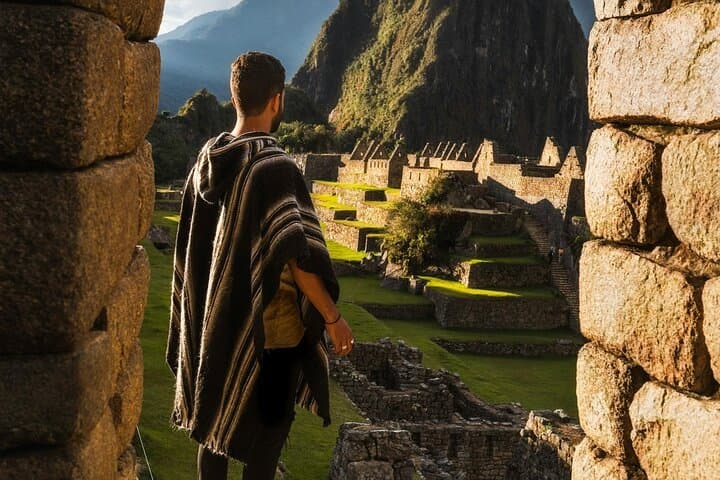
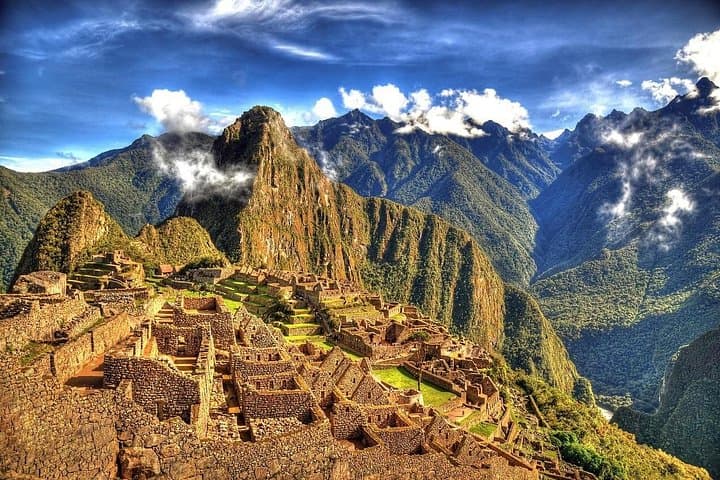
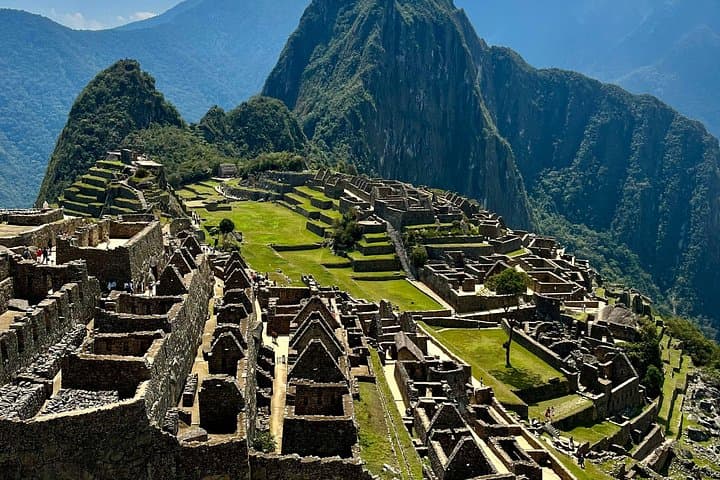
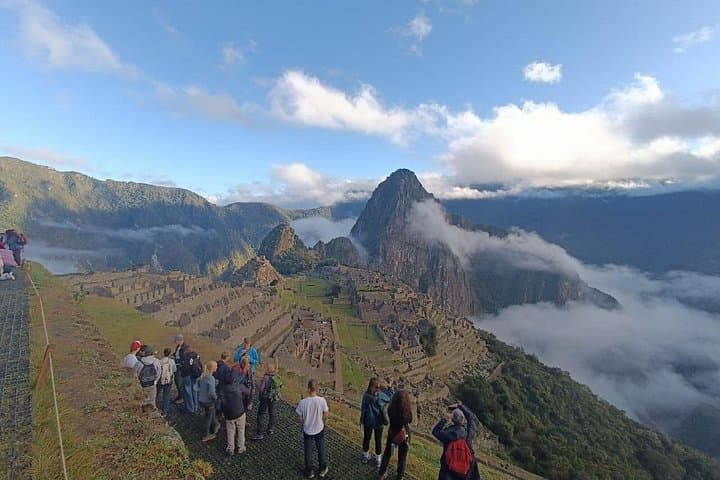
You arrive by train through the cloud-washed Urubamba Valley and step into a plaza where terraces and stonework climb like a stairway up the mountain. Light moves fast here—mists lift, cliffs reveal, and the citadel opens as a series of rooms, ramps and viewpoints that reward close attention.
You arrive by train through the cloud-washed Urubamba Valley and step into a plaza where terraces and stonework climb like a stairway up the mountain. Light moves fast here—mists lift, cliffs reveal, and the citadel opens as a series of rooms, ramps and viewpoints that reward close attention.
Machu Picchu was established by the Inca in the 15th century and sits on a steep granite ridge shaped by tectonics and glacial sculpting. Its plazas, temples and agricultural terraces reflect precise stone masonry and a landscape that both framed and fed the community. Today the site is managed under strict visitor limits to protect fragile soils and archaeological fabric; your official ticket reserves a timed entry into one of the allowed circuits.
Visitors can wander the Main Plaza, approach the Temple of the Sun and study the Sacred Rock at their own pace with this ticket. Add a licensed guide for richer context—stories of Inca astronomy, pastoral life, and Spanish-era encounters animate the ruins. Note Huayna Picchu and Machu Picchu Mountain require separate permits and fill early.
Practically: arrive early in your reserved window to avoid mid-day crowds, carry ID for ticket validation, and pace yourself—altitude and steep stone steps make the day feel harder than distance alone suggests. Respect signage: many areas are off-limits to conserve structure and plant life.
With planning—train times, return logistics, and weather-layered clothing—an independent visit with this official ticket becomes a focused, fulfilling way to experience one of South America’s most remarkable archaeological sites.