THE ADVENTURE COLLECTIVE® · Independent discovery and booking for outdoor travel

Walk the industrial heart of Fulton Market and watch Chicago’s street art scene unfold beneath the Union Pacific viaduct. This two‑hour offbeat tour pairs mural history with practical context—ideal for curious travelers and photographers.
Walk the industrial heart of Fulton Market and watch Chicago’s street art scene unfold beneath the Union Pacific viaduct. This two‑hour offbeat tour pairs mural history with practical context—ideal for curious travelers and photographers.
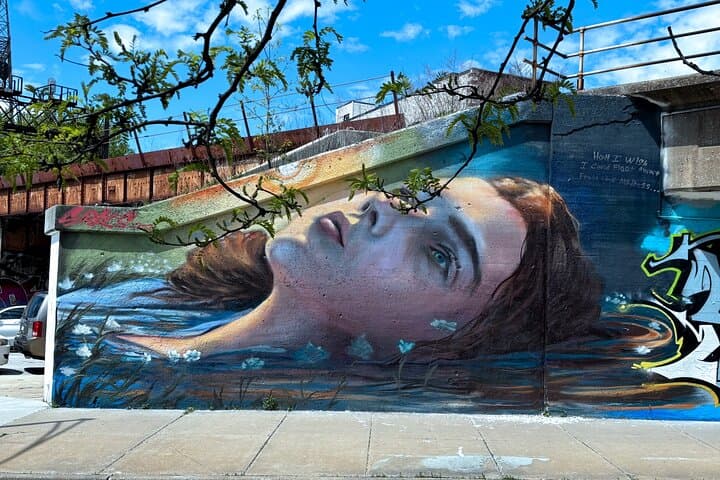
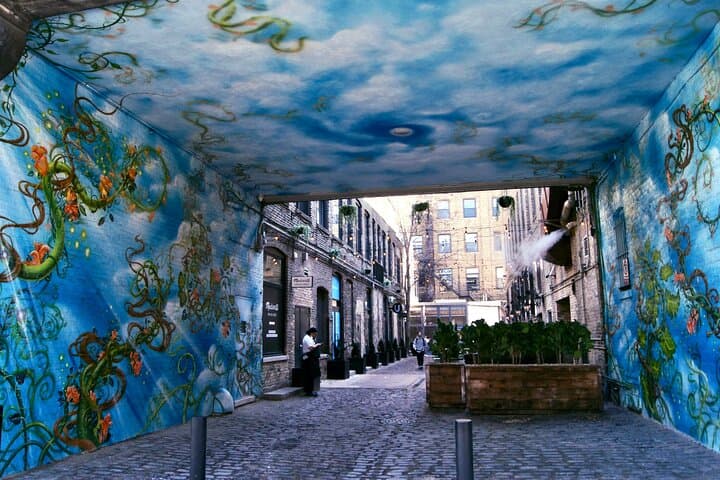
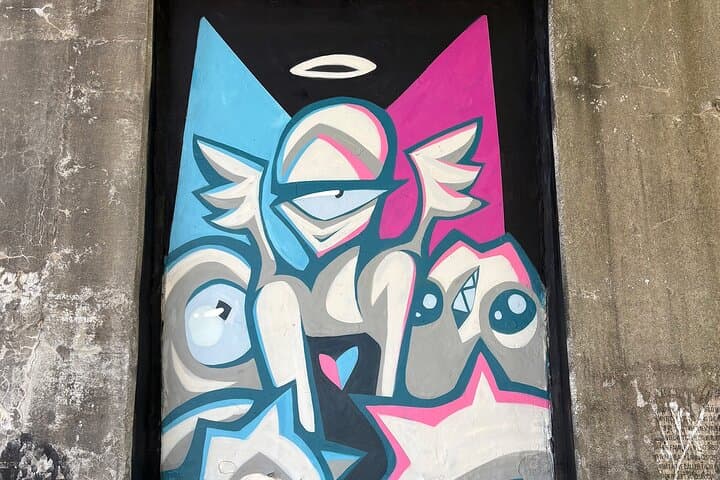
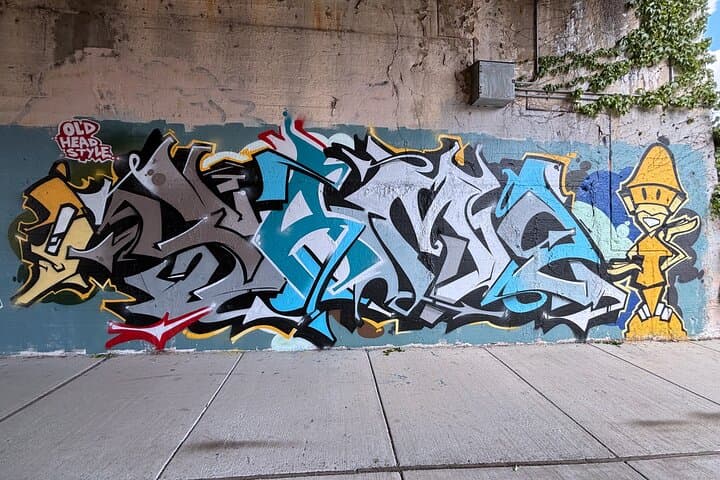
You start on a cool city morning in front of the Eckhart Park Field House, guide t‑shirt bright against brick. The group steps under the Union Pacific viaduct and the city changes scale: freight rails and warehouse facades become canvases, paint layered over decades like a visual conversation. Voices of artists—stencils, tags, large-scale murals—lead you deeper into Fulton Market’s industrial grid.
Verified experiences and guided adventures in the surrounding area.
Operated by Offbeat Street Art Tour · Chicago, Illinois
You start on a cool city morning in front of the Eckhart Park Field House, guide t‑shirt bright against brick. The group steps under the Union Pacific viaduct and the city changes scale: freight rails and warehouse facades become canvases, paint layered over decades like a visual conversation. Voices of artists—stencils, tags, large-scale murals—lead you deeper into Fulton Market’s industrial grid.
Fulton Market was a 19th-century meatpacking and wholesale district that reinvented itself as a creative corridor in the 21st century. The viaduct project began as community muraling roughly 50 years ago and has since drawn international names, turning service alleys, retaining walls, and loading docks into public galleries. Geology here is urban: reclaimed lots, concrete slabs, and river-driven trade routes shaped the blocky topography that makes these vertical surfaces so visible.
Culturally, the tour reads like a cross-section of Chicago—Latinx, Black, and immigrant influences threaded through imagery and artist origin stories. Guides explain techniques, the line between mural and graffiti, and the ethics of public art.
Practical guidance: expect two miles of walking on mostly flat pavement over about two hours; comfortable shoes, a charged camera, and a transit card simplify logistics. Respect private property and photographed pieces—the scene is constantly changing and many works are ephemeral. Aim for morning light to see saturated colors, or an early evening for warmer tones and fewer crowds. The end point near Café Crèmerie offers a clear place to debrief and sample local food scene highlights.
easy.
2 hours.
Basic urban fitness—able to walk two miles at a relaxed pace.
The tour covers roughly two miles over about two hours with multiple short stops to view murals.
Yes—photography for personal use is generally permitted; avoid interfering with private property or artists at work.
Yes—this is an easy, low‑impact walk, but participants should be able to walk for two hours with occasional standing.
The operator may cancel or reschedule in heavy rain; check your booking policy for the 24‑hour cancellation terms.
Fulton Market grew from 19th‑century meatpacking and wholesale trade; murals began as community projects and have evolved into internationally sourced street art over the past 50 years.
Street art here is ephemeral—respect works by not defacing them; support local artists by buying prints or patronizing nearby businesses that commission murals.
Offbeat Street Art Tour operates guided outdoor trips and adventures with an emphasis on safety, stewardship, and memorable experiences.
You start on a cool city morning in front of the Eckhart Park Field House, guide t‑shirt bright against brick. The group steps under the Union Pacific viaduct and the city changes scale: freight rails and warehouse facades become canvases, paint layered over decades like a visual conversation. Voices of artists—stencils, tags, large-scale murals—lead you deeper into Fulton Market’s industrial grid.
You start on a cool city morning in front of the Eckhart Park Field House, guide t‑shirt bright against brick. The group steps under the Union Pacific viaduct and the city changes scale: freight rails and warehouse facades become canvases, paint layered over decades like a visual conversation. Voices of artists—stencils, tags, large-scale murals—lead you deeper into Fulton Market’s industrial grid.
Fulton Market was a 19th-century meatpacking and wholesale district that reinvented itself as a creative corridor in the 21st century. The viaduct project began as community muraling roughly 50 years ago and has since drawn international names, turning service alleys, retaining walls, and loading docks into public galleries. Geology here is urban: reclaimed lots, concrete slabs, and river-driven trade routes shaped the blocky topography that makes these vertical surfaces so visible.
Culturally, the tour reads like a cross-section of Chicago—Latinx, Black, and immigrant influences threaded through imagery and artist origin stories. Guides explain techniques, the line between mural and graffiti, and the ethics of public art.
Practical guidance: expect two miles of walking on mostly flat pavement over about two hours; comfortable shoes, a charged camera, and a transit card simplify logistics. Respect private property and photographed pieces—the scene is constantly changing and many works are ephemeral. Aim for morning light to see saturated colors, or an early evening for warmer tones and fewer crowds. The end point near Café Crèmerie offers a clear place to debrief and sample local food scene highlights.