THE ADVENTURE COLLECTIVE® · Independent discovery and booking for outdoor travel

Walk beyond the Duomo into Oltrarno’s workshop-filled streets on a three-hour private tour that highlights Santo Spirito and San Frediano. See artisans at work, learn about historic craft traditions, and pick up practical tips for navigating cobblestones and small bottegas.
Walk beyond the Duomo into Oltrarno’s workshop-filled streets on a three-hour private tour that highlights Santo Spirito and San Frediano. See artisans at work, learn about historic craft traditions, and pick up practical tips for navigating cobblestones and small bottegas.
You enter Oltrarno by crossing a narrow bridge and the city changes tone: the Arno dares you to slow down as church bells trade places with the steady hum of workshops.
Verified experiences and guided adventures in the surrounding area.
Operated by Salotto Italiano Travel · Florence, Tuscany
You enter Oltrarno by crossing a narrow bridge and the city changes tone: the Arno dares you to slow down as church bells trade places with the steady hum of workshops.
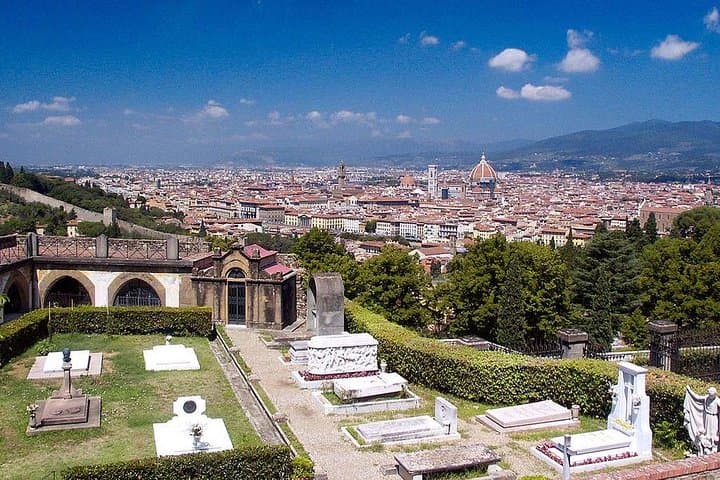
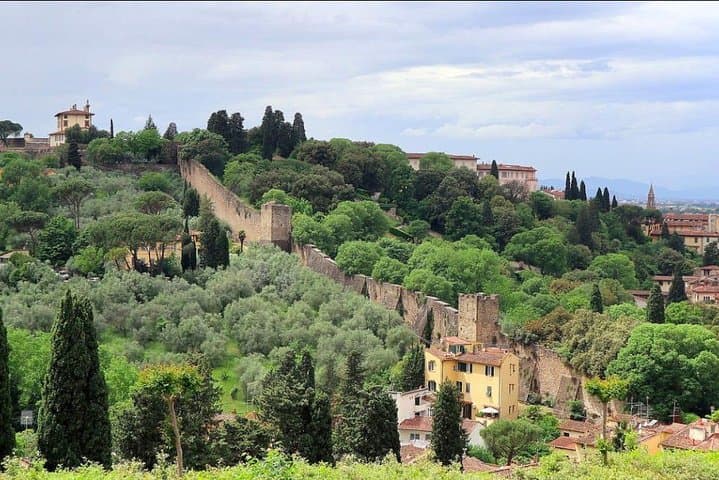
This three-hour private walking tour threads through Santo Spirito and San Frediano, neighborhoods where Renaissance power and working-class craft meet. Once beyond the Pitti gates, you pass medieval walls and the faded façades of bottegas where shoemakers, goldsmiths, and bookbinders still practice centuries-old techniques. The area sits on Florence’s alluvial plain beside the Arno; the stone and brick here tell of river-borne trade that made these crafts viable during Medici rule.
Culture here is tactile: hammered metals, leather being stretched, and conversation in rapid Italian. Visit small ateliers and, if available, observe a Stefano Bemer apprentice shaping a last—a rare peek into bespoke shoemaking. San Frediano’s parish churches hold early works by Michelangelo and Masaccio, reminders that high art and craft live side by side in these streets.
Practical guidance: plan for three hours on foot, wear comfortable resolable shoes for cobblestones, and carry a refillable bottle—water fountains are common but not always accessible inside workshops. Morning or late afternoon tours avoid peak visitor hours; many artisans prefer small private groups. Mobile tickets and skip-the-line arrangements are typical; confirm meeting point and any language needs in advance. Respect shop etiquette—ask before photographing and avoid touching works unless invited.
This is a walking tour for people who want to feel the city under their soles and leave with a clearer sense of how Florence’s everyday craft shapes its culture.
easy.
3 hours.
Suitable for most fitness levels; expect steady walking on uneven cobblestones and short stair sections
The tour typically starts in Oltrarno near Piazza Santo Spirito; arrive 10–15 minutes early to check in and handle any last-minute needs.
Yes—infants and small children in prams are usually accommodated, but some alleys and stairs may be tight; notify the operator in advance.
Skip-the-line tickets and private-tour logistics are commonly included, but purchases at artisan shops are extra and paid on-site.
The tour is rated easy but includes uneven cobblestones and occasional steps; contact the operator ahead to confirm accessibility options.
Oltrarno has long been Florence’s artisan quarter; during Medici rule it housed workshops and small-scale industry that supported the city’s luxury trades.
Support sustainability by buying directly from local artisans, avoiding single-use plastics, and following shop rules to minimize wear on historic interiors.
Salotto Italiano Travel operates guided outdoor trips and adventures with an emphasis on safety, stewardship, and memorable experiences.
You enter Oltrarno by crossing a narrow bridge and the city changes tone: the Arno dares you to slow down as church bells trade places with the steady hum of workshops.
You enter Oltrarno by crossing a narrow bridge and the city changes tone: the Arno dares you to slow down as church bells trade places with the steady hum of workshops.
This three-hour private walking tour threads through Santo Spirito and San Frediano, neighborhoods where Renaissance power and working-class craft meet. Once beyond the Pitti gates, you pass medieval walls and the faded façades of bottegas where shoemakers, goldsmiths, and bookbinders still practice centuries-old techniques. The area sits on Florence’s alluvial plain beside the Arno; the stone and brick here tell of river-borne trade that made these crafts viable during Medici rule.
Culture here is tactile: hammered metals, leather being stretched, and conversation in rapid Italian. Visit small ateliers and, if available, observe a Stefano Bemer apprentice shaping a last—a rare peek into bespoke shoemaking. San Frediano’s parish churches hold early works by Michelangelo and Masaccio, reminders that high art and craft live side by side in these streets.
Practical guidance: plan for three hours on foot, wear comfortable resolable shoes for cobblestones, and carry a refillable bottle—water fountains are common but not always accessible inside workshops. Morning or late afternoon tours avoid peak visitor hours; many artisans prefer small private groups. Mobile tickets and skip-the-line arrangements are typical; confirm meeting point and any language needs in advance. Respect shop etiquette—ask before photographing and avoid touching works unless invited.
This is a walking tour for people who want to feel the city under their soles and leave with a clearer sense of how Florence’s everyday craft shapes its culture.