THE ADVENTURE COLLECTIVE® · Independent discovery and booking for outdoor travel

Skip the cable car crowds and head for quieter routes on Table Mountain where upland reservoirs, rare fynbos and raw sandstone cliffs shape a five-hour hike. Practical route notes and local insights help you plan a safe, rewarding ascent.
Skip the cable car crowds and head for quieter routes on Table Mountain where upland reservoirs, rare fynbos and raw sandstone cliffs shape a five-hour hike. Practical route notes and local insights help you plan a safe, rewarding ascent.
You step onto a narrow rocky shoulder and the city slides away: wind tugs at your jacket, the scent of dry fynbos rises, and a squat plateau waits above. On this off-the-beaten-track route up Table Mountain you move through changing microclimates—low scrub, exposed quartzite slabs and the surprising calm around upland reservoirs—until the skyline opens and Cape Town shrinks below.
Verified experiences and guided adventures in the surrounding area.
Operated by Ridgway Ramblers · Cape Town, Western Cape
You step onto a narrow rocky shoulder and the city slides away: wind tugs at your jacket, the scent of dry fynbos rises, and a squat plateau waits above. On this off-the-beaten-track route up Table Mountain you move through changing microclimates—low scrub, exposed quartzite slabs and the surprising calm around upland reservoirs—until the skyline opens and Cape Town shrinks below.
Table Mountain’s geology is straightforward and dramatic: layers of hard Table Mountain sandstone sit over older shale, creating the table-top platform and steep cliffs that define the massif. Human history threads through the landscape too—the reservoirs and service paths are remnants of 19th- and early-20th-century efforts to capture mountain water for Cape Town. The flora is globally unique: fynbos, a fire-adapted shrubland, dominates the slopes and supports specialist birds and insects.
Expect roughly a 10 km round-trip with 600–800 m of elevation gain over uneven, sometimes steep terrain; a sensible pace is 4–6 hours. The trail mixes well-worn service paths with narrower, rockier sections and occasional scrambling; route-finding matters on lesser-used tracks. Carry at least 2–3 liters of water, sun protection, and a windproof layer—weather can shift rapidly. Start early to avoid the midday wind and to have clear views at the plateau. Leave no trace: stay on paths to protect fragile fynbos and pack out all waste. With steady legs and basic navigation you’ll be rewarded with reservoir basins, rare plants, and broad Atlantic views that make the climb worthwhile.
moderate.
4–6 hours.
Moderate fitness — able to sustain steady uphill hiking and short scrambling for several hours.
Typical off-the-beaten routes take about 4–6 hours round-trip, roughly 8–12 km with 600–800 m elevation gain; difficulty is moderate with some exposed, rockier sections.
No permit is required for day hiking on Table Mountain, but a guide is recommended for lesser-used routes if you lack experience with route-finding or local conditions.
Strong winds and rain make exposed slabs slippery and increase objective risk; postpone the hike in bad weather and check local forecasts before departing.
There are no formal facilities on most back routes—carry snacks, water, and plan bathroom needs before departure in Cape Town or at lower trailheads.
Table Mountain’s plateau and reservoirs reflect both natural heritage and 19th-century waterworks built to serve Cape Town; the mountain has long been a navigational landmark for sailors.
Fynbos is highly biodiverse and fire-adapted but vulnerable to trampling and invasive plants—stick to trails, avoid fires, and carry out all waste.
Ridgway Ramblers operates guided outdoor trips and adventures with an emphasis on safety, stewardship, and memorable experiences.
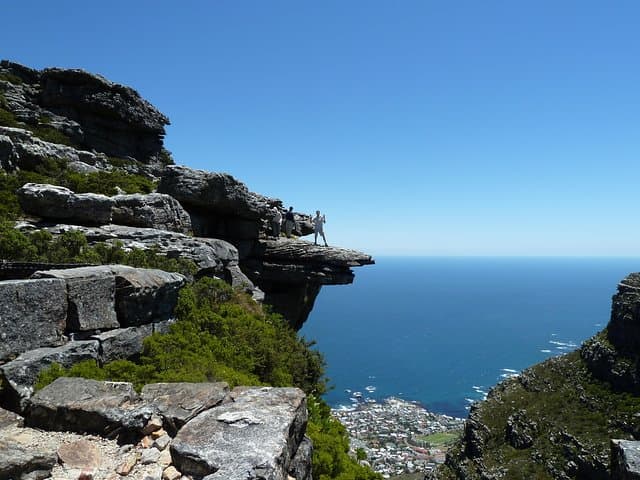
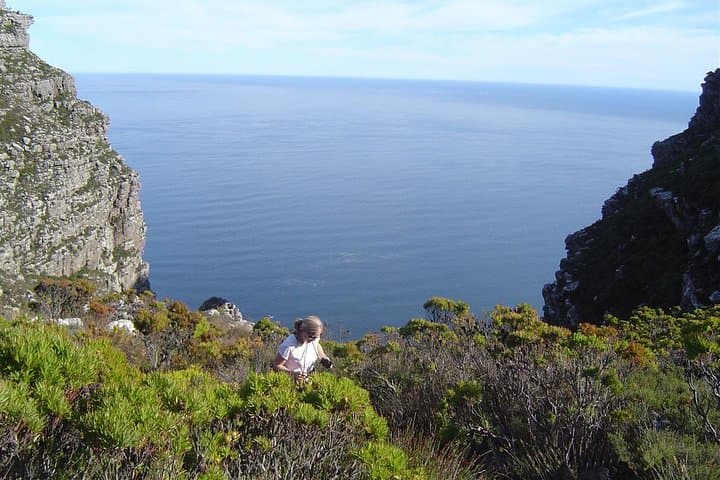
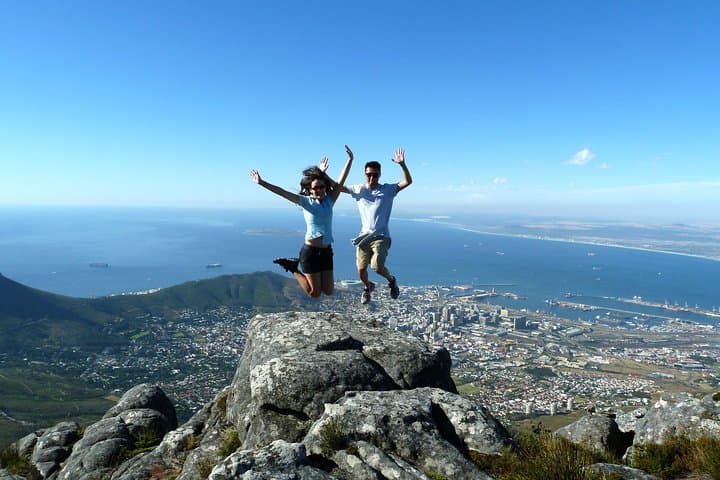
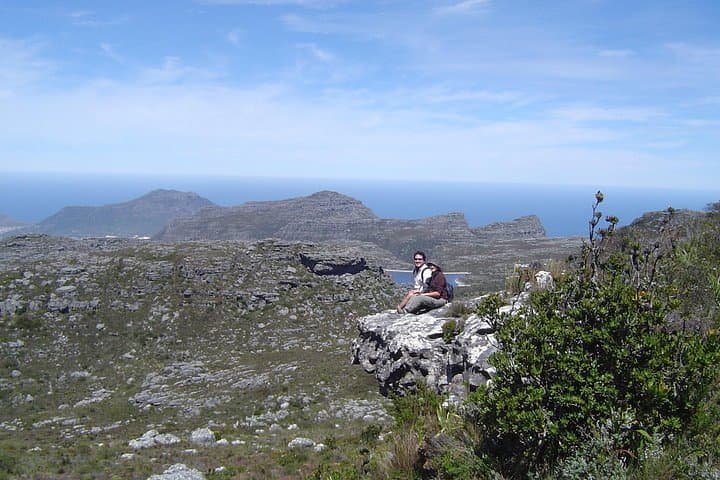
You step onto a narrow rocky shoulder and the city slides away: wind tugs at your jacket, the scent of dry fynbos rises, and a squat plateau waits above. On this off-the-beaten-track route up Table Mountain you move through changing microclimates—low scrub, exposed quartzite slabs and the surprising calm around upland reservoirs—until the skyline opens and Cape Town shrinks below.
You step onto a narrow rocky shoulder and the city slides away: wind tugs at your jacket, the scent of dry fynbos rises, and a squat plateau waits above. On this off-the-beaten-track route up Table Mountain you move through changing microclimates—low scrub, exposed quartzite slabs and the surprising calm around upland reservoirs—until the skyline opens and Cape Town shrinks below.
Table Mountain’s geology is straightforward and dramatic: layers of hard Table Mountain sandstone sit over older shale, creating the table-top platform and steep cliffs that define the massif. Human history threads through the landscape too—the reservoirs and service paths are remnants of 19th- and early-20th-century efforts to capture mountain water for Cape Town. The flora is globally unique: fynbos, a fire-adapted shrubland, dominates the slopes and supports specialist birds and insects.
Expect roughly a 10 km round-trip with 600–800 m of elevation gain over uneven, sometimes steep terrain; a sensible pace is 4–6 hours. The trail mixes well-worn service paths with narrower, rockier sections and occasional scrambling; route-finding matters on lesser-used tracks. Carry at least 2–3 liters of water, sun protection, and a windproof layer—weather can shift rapidly. Start early to avoid the midday wind and to have clear views at the plateau. Leave no trace: stay on paths to protect fragile fynbos and pack out all waste. With steady legs and basic navigation you’ll be rewarded with reservoir basins, rare plants, and broad Atlantic views that make the climb worthwhile.