THE ADVENTURE COLLECTIVE® · Independent discovery and booking for outdoor travel

Walk Ancoats and the Northern Quarter with local hosts who skip tourist traps for family-run bakeries, hidden Indian cafés and canal-side tastes. A three-hour, easy-paced tour where architecture, history and multicultural flavours tell Manchester’s story.
Walk Ancoats and the Northern Quarter with local hosts who skip tourist traps for family-run bakeries, hidden Indian cafés and canal-side tastes. A three-hour, easy-paced tour where architecture, history and multicultural flavours tell Manchester’s story.
Shuffling across cobbles under the low curve of a canal bridge, the city smells of hot pastry, fried spice and espresso—Manchester’s industrial bones still hum beneath the pavement. This three-hour walking tour threads the narrow streets of Ancoats and the Northern Quarter, where converted mills face canal-side bakeries and tiny cafés serve recipes passed down through generations.
Verified experiences and guided adventures in the surrounding area.
Operated by eatwith · Manchester, Greater Manchester
Shuffling across cobbles under the low curve of a canal bridge, the city smells of hot pastry, fried spice and espresso—Manchester’s industrial bones still hum beneath the pavement. This three-hour walking tour threads the narrow streets of Ancoats and the Northern Quarter, where converted mills face canal-side bakeries and tiny cafés serve recipes passed down through generations.
Manchester’s food culture grew out of the 19th-century mills and the waves of migrants who arrived to work them. Brick warehouses, hard as the city’s reputation once was, now house artisan bakers and family-run Indian cafés that kept the neighbourhood alive during darker chapters—when crime gangs and economic hardship defined these lanes.
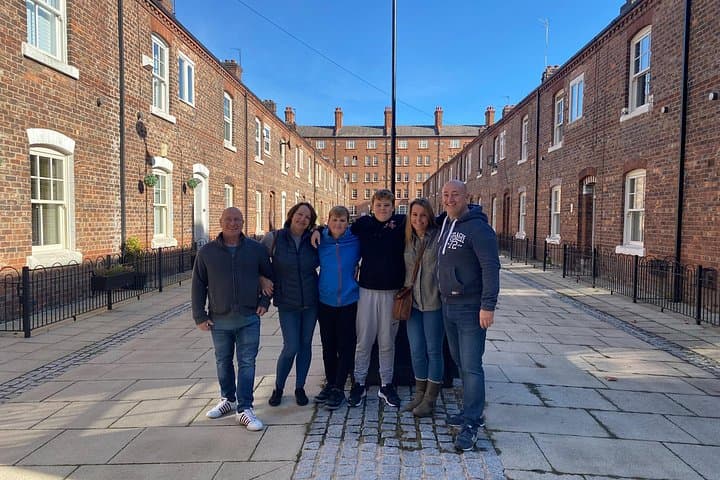
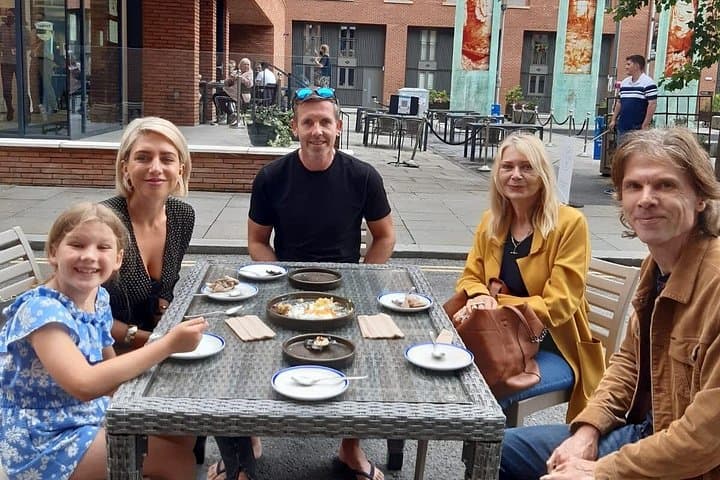
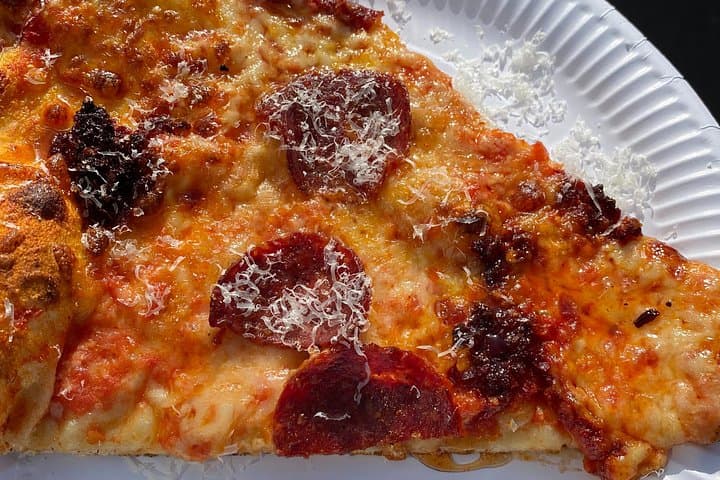
Expect eclectic plates: Jamaican patties, hearty Northern favourites, Italian desserts and curries that speak to Manchester’s Caribbean and South Asian communities. The canals and former mill architecture are reminders of coal and cotton; the pavement terraces and indie coffee bars show how those structures have been repurposed by a creative food scene.
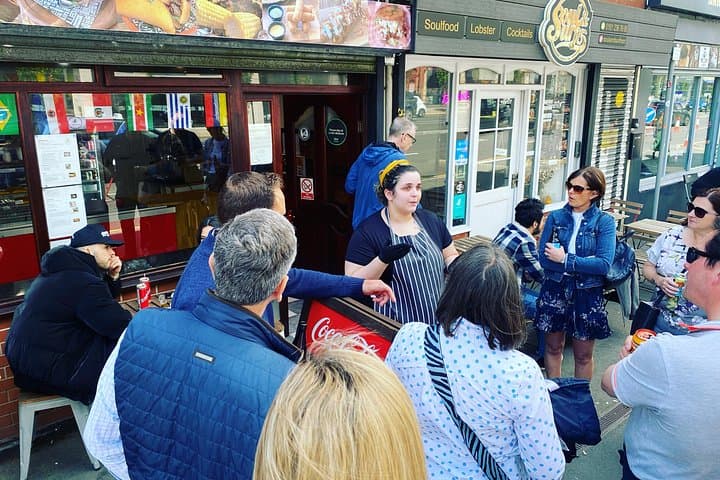
Practical notes: the walk covers roughly two miles over uneven, often cobbled streets—comfortable shoes and a light waterproof are sensible. Tastings are included at several stops; full meal portions aren’t typical, so eat lightly beforehand if you want more than samples. Hosts are local and share recommendations for later nights out. Public transport serves the start/finish points, and bookings include a meeting location on confirmation. Communicate any dietary restrictions in advance and arrive ready to explore with curiosity—this is a neighbourhood tour as much as a tasting itinerary.
easy.
3 hours.
Light walking fitness is sufficient—expect frequent stops and some standing; be comfortable on uneven pavement.
Yes—several tastings at independent producers are included, though they are sample-sized rather than full meals.
Most dietary needs can be accommodated if noted at booking; inform the operator via the special requirements field before arrival.
Expect roughly two miles (3–4 km) of walking over cobbled and paved streets with frequent stops over about three hours.
The itinerary runs through Ancoats and the Northern Quarter; the exact meeting point is provided on your booking confirmation and is served by public transport.
The route passes former mill buildings and canals that were central to Manchester’s 19th-century industrial boom and also saw social upheaval; food culture today reflects successive immigrant communities who settled here.
Support independent businesses, avoid single-use plastics and stick to pavements and marked crossings to preserve historic streets and reduce wear on sensitive canal edges.
eatwith operates guided outdoor trips and adventures with an emphasis on safety, stewardship, and memorable experiences.
Shuffling across cobbles under the low curve of a canal bridge, the city smells of hot pastry, fried spice and espresso—Manchester’s industrial bones still hum beneath the pavement. This three-hour walking tour threads the narrow streets of Ancoats and the Northern Quarter, where converted mills face canal-side bakeries and tiny cafés serve recipes passed down through generations.
Shuffling across cobbles under the low curve of a canal bridge, the city smells of hot pastry, fried spice and espresso—Manchester’s industrial bones still hum beneath the pavement. This three-hour walking tour threads the narrow streets of Ancoats and the Northern Quarter, where converted mills face canal-side bakeries and tiny cafés serve recipes passed down through generations.
Manchester’s food culture grew out of the 19th-century mills and the waves of migrants who arrived to work them. Brick warehouses, hard as the city’s reputation once was, now house artisan bakers and family-run Indian cafés that kept the neighbourhood alive during darker chapters—when crime gangs and economic hardship defined these lanes.
Expect eclectic plates: Jamaican patties, hearty Northern favourites, Italian desserts and curries that speak to Manchester’s Caribbean and South Asian communities. The canals and former mill architecture are reminders of coal and cotton; the pavement terraces and indie coffee bars show how those structures have been repurposed by a creative food scene.
Practical notes: the walk covers roughly two miles over uneven, often cobbled streets—comfortable shoes and a light waterproof are sensible. Tastings are included at several stops; full meal portions aren’t typical, so eat lightly beforehand if you want more than samples. Hosts are local and share recommendations for later nights out. Public transport serves the start/finish points, and bookings include a meeting location on confirmation. Communicate any dietary restrictions in advance and arrive ready to explore with curiosity—this is a neighbourhood tour as much as a tasting itinerary.