THE ADVENTURE COLLECTIVE® · Independent discovery and booking for outdoor travel

A three-day, two-night descent from Kalaw to Inle Lake that follows village footpaths, home-stays and agricultural ridges. Expect steady hiking, local hospitality and hands-on cultural encounters away from the main tourist routes.
A three-day, two-night descent from Kalaw to Inle Lake that follows village footpaths, home-stays and agricultural ridges. Expect steady hiking, local hospitality and hands-on cultural encounters away from the main tourist routes.
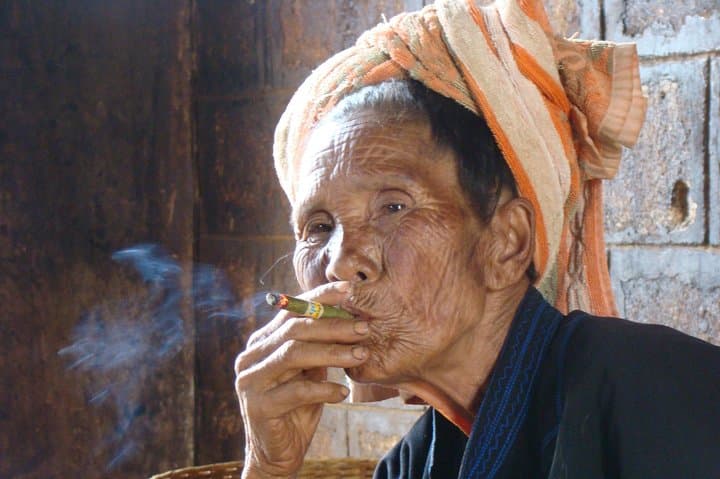
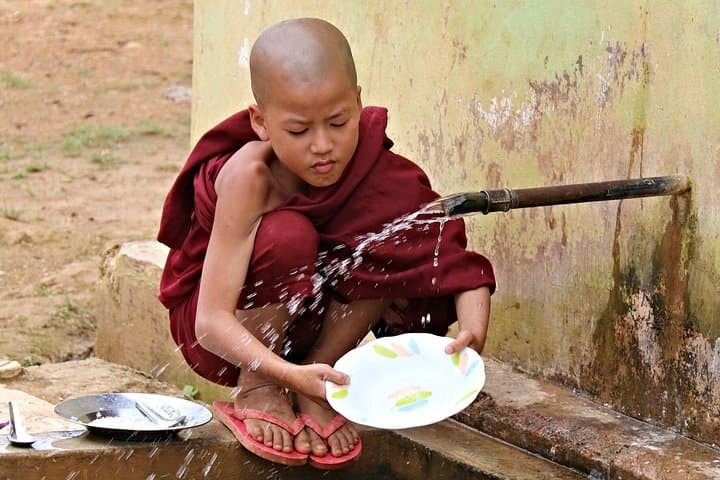
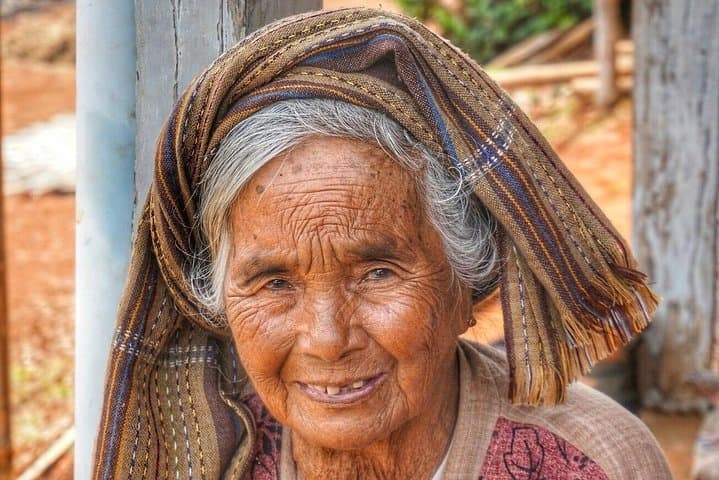
Morning light clears fog from Kalaw’s ridgelines as you step off a dusty lane and into a patchwork of terraces and forest tracks. Over three days the trail threads through rarely visited villages—Taung Yoe, Pa-O and Palaung—where home-stays replace guesthouses and children wave from bamboo fences. The land slopes gently down from Kalaw’s uplands (≈1,350 m) toward Inle Lake (≈880 m), so expect a mix of steady descents, short climbs and river crossings.
Verified experiences and guided adventures in the surrounding area.
Operated by Ko Kyaw Kalaw Trekking · Kalaw, Shan State
Morning light clears fog from Kalaw’s ridgelines as you step off a dusty lane and into a patchwork of terraces and forest tracks. Over three days the trail threads through rarely visited villages—Taung Yoe, Pa-O and Palaung—where home-stays replace guesthouses and children wave from bamboo fences. The land slopes gently down from Kalaw’s uplands (≈1,350 m) toward Inle Lake (≈880 m), so expect a mix of steady descents, short climbs and river crossings.
This route uses long-used footpaths between hill-tribe settlements; these trails trace local agricultural cycles more than tourist itineraries. Geologically, you walk compacted red earth and limestone outcrops, across ridges carved by seasonal streams. Culturally, the trek is an intimate look at Southern Shan agricultural life: rice paddies, peanut plots and temples with lacquered wood. Guides from Kalaw are local interpreters of custom and landscape.
Practically, the itinerary averages 8–12 km per day over uneven terrain with cumulative elevation change of a few hundred meters. Accommodation is in villagers’ homes with basic bedding and shared facilities; meals are local and often rice-forward. Carry a three-season sleeping liner if you want extra warmth.
Hydrate frequently—the dry season is sun-dry, monsoon can make trails slippery. Good hiking shoes, a light rain shell and moderate fitness make the route accessible to most travelers. Start early to avoid midday heat and leave respectful photography choices to hosts. The result is a grounded, slow trek that hands you small moments of real Myanmar life rather than postcard panoramas.
moderate.
3 days (2 nights).
Moderate aerobic fitness with ability to hike 8–12 km per day on uneven ground
Most sections are non-technical; a first-time hiker with moderate fitness should manage the daily distances, though uneven terrain and occasional steep sections require steady footing.
Nights are spent in local villagers' homes with basic bedding and shared toilets; bring a sleeping liner for extra warmth and hygiene comfort.
Meals on the trek are included and typically consist of local Shan dishes: rice, vegetables, soups and occasionally chicken or fish depending on the village.
Yes—local guides are provided and essential for navigation, cultural introduction and arranging home-stays; they also liaise with hosts and handle logistics.
Trails between Kalaw and Inle follow centuries-old village links used for trade and seasonal migration by Shan hill tribes; Kalaw itself was developed as a colonial hill station in the 19th century.
Tread lightly: stay on established tracks to reduce erosion, avoid single-use plastics, and support village economies by paying fair fees for home-stays.
Ko Kyaw Kalaw Trekking operates guided outdoor trips and adventures with an emphasis on safety, stewardship, and memorable experiences.

Morning light clears fog from Kalaw’s ridgelines as you step off a dusty lane and into a patchwork of terraces and forest tracks. Over three days the trail threads through rarely visited villages—Taung Yoe, Pa-O and Palaung—where home-stays replace guesthouses and children wave from bamboo fences. The land slopes gently down from Kalaw’s uplands (≈1,350 m) toward Inle Lake (≈880 m), so expect a mix of steady descents, short climbs and river crossings.
Morning light clears fog from Kalaw’s ridgelines as you step off a dusty lane and into a patchwork of terraces and forest tracks. Over three days the trail threads through rarely visited villages—Taung Yoe, Pa-O and Palaung—where home-stays replace guesthouses and children wave from bamboo fences. The land slopes gently down from Kalaw’s uplands (≈1,350 m) toward Inle Lake (≈880 m), so expect a mix of steady descents, short climbs and river crossings.
This route uses long-used footpaths between hill-tribe settlements; these trails trace local agricultural cycles more than tourist itineraries. Geologically, you walk compacted red earth and limestone outcrops, across ridges carved by seasonal streams. Culturally, the trek is an intimate look at Southern Shan agricultural life: rice paddies, peanut plots and temples with lacquered wood. Guides from Kalaw are local interpreters of custom and landscape.
Practically, the itinerary averages 8–12 km per day over uneven terrain with cumulative elevation change of a few hundred meters. Accommodation is in villagers’ homes with basic bedding and shared facilities; meals are local and often rice-forward. Carry a three-season sleeping liner if you want extra warmth.
Hydrate frequently—the dry season is sun-dry, monsoon can make trails slippery. Good hiking shoes, a light rain shell and moderate fitness make the route accessible to most travelers. Start early to avoid midday heat and leave respectful photography choices to hosts. The result is a grounded, slow trek that hands you small moments of real Myanmar life rather than postcard panoramas.