THE ADVENTURE COLLECTIVE® · Independent discovery and booking for outdoor travel

Skip the crowds and spend a day exploring Cappadocia’s quieter valleys: Ortahisar viewpoints, Pancarlik Church, Soganli Valley, Mustafapasa, and the Zelve Open Air Park. This small-group tour combines geology, centuries-old frescoes, and gentle hikes off the usual circuit.
Skip the crowds and spend a day exploring Cappadocia’s quieter valleys: Ortahisar viewpoints, Pancarlik Church, Soganli Valley, Mustafapasa, and the Zelve Open Air Park. This small-group tour combines geology, centuries-old frescoes, and gentle hikes off the usual circuit.
You start the day with wind and light painting the soft rock around Ortahisar, a low castle cutting a silhouette against wide Anatolian sky. The panorama opens and the valleys seem to breathe—dovecotes, carved stairs, narrow gorges—each hollow a page of human history written into volcanic tuff.
Verified experiences and guided adventures in the surrounding area.
Operated by TripGuru · Göreme, Nevşehir
You start the day with wind and light painting the soft rock around Ortahisar, a low castle cutting a silhouette against wide Anatolian sky. The panorama opens and the valleys seem to breathe—dovecotes, carved stairs, narrow gorges—each hollow a page of human history written into volcanic tuff.
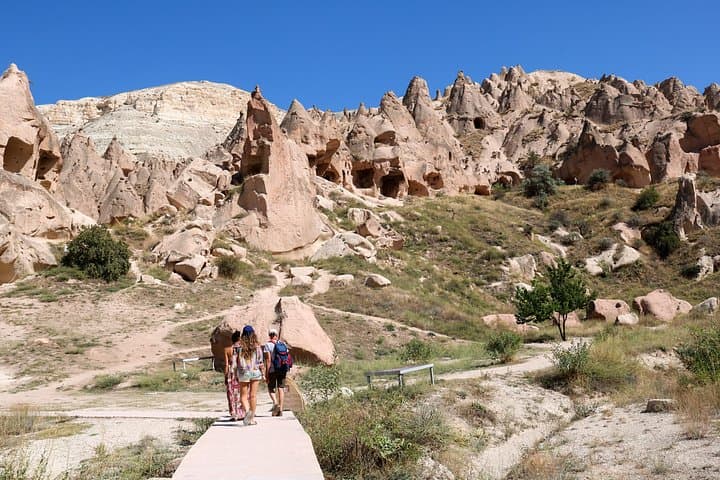
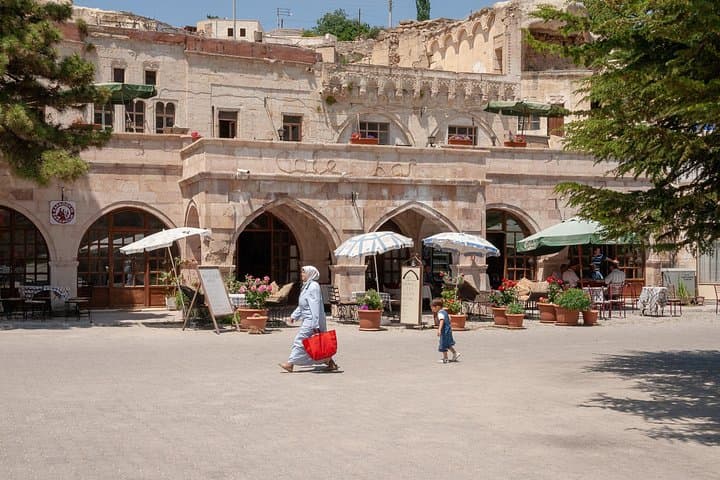
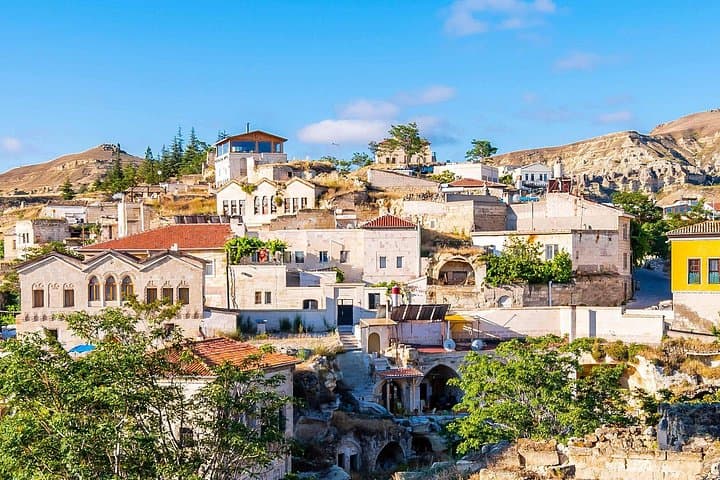
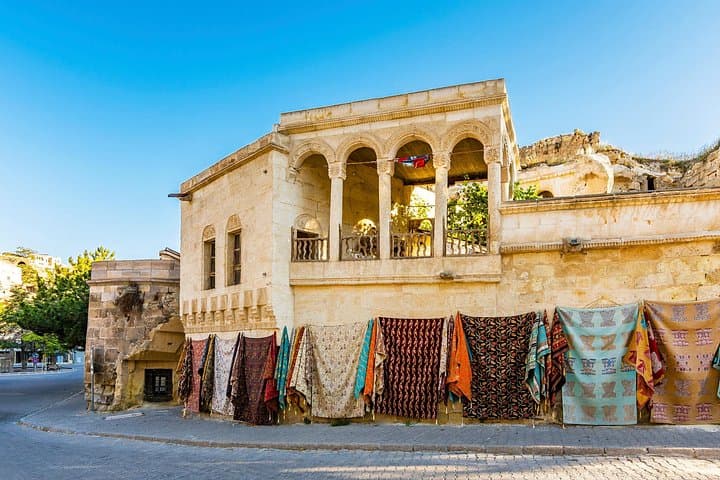
This full-day route threads quieter corners of Cappadocia: Pancarlik Church with its beet-red frescoes, the hush of Soganli Valley’s courtyard monasteries, the Greek-influenced stone facades of Mustafapasa, and the abandoned monastic labyrinth of Zelve Open Air Park. Geologically, these landscapes were sculpted from ash and pumice deposited by ancient eruptions, later eroded into chimneys, cones, and cave dwellings. Culturally, the area reflects centuries of Byzantine Christian and later Ottoman rural life; many cave churches preserve fresco fragments that speak to early monastic communities.
Practicalities are straightforward: expect 7–8 hours in a small group, with short walks over uneven tuff, packed stairs, and dusty valley trails. Wear sturdy footwear, bring layered clothing for temperature swings, and carry sun protection and at least 1.5 liters of water. Guides cover entrance fees and provide bottled water and lunch; hotel pickup is usually included. Photography is rewarding—early light emphasizes texture—but be mindful of fragile surfaces and follow path restrictions in protected zones.
This itinerary suits travelers who want the landscape’s quieter side: fewer crowds, more time to read rock-carved inscriptions, and a slower pace through an ancient, living landscape.
moderate.
7–8 hours.
Light to moderate fitness; able to handle several short hikes on uneven terrain and stairs
The tour runs about 7–8 hours with multiple short walks (usually 20–60 minutes each) between viewpoints and sites; the pace is steady but suitable for most fitness levels.
Yes—entrance fees to sites and a midday lunch are included, and bottled water is provided during the day.
Most itineraries include hotel pickup and drop-off within the central Cappadocia towns; confirm pickup point at booking.
Some sites involve stairs and uneven ground and are not recommended for travelers with serious mobility or spinal issues; contact the operator to review specific accessibility needs.
Cappadocia’s cave churches and dwellings were carved into volcanic tuff by early Christian and Byzantine communities; many monastic sites remained in use for over a millennium before modern resettlement patterns changed in the 20th century.
Trails and frescoes are vulnerable to erosion and wear; stick to marked paths, avoid touching rock surfaces, and support small-group local guides who promote low-impact visitation.
TripGuru operates guided outdoor trips and adventures with an emphasis on safety, stewardship, and memorable experiences.
You start the day with wind and light painting the soft rock around Ortahisar, a low castle cutting a silhouette against wide Anatolian sky. The panorama opens and the valleys seem to breathe—dovecotes, carved stairs, narrow gorges—each hollow a page of human history written into volcanic tuff.
You start the day with wind and light painting the soft rock around Ortahisar, a low castle cutting a silhouette against wide Anatolian sky. The panorama opens and the valleys seem to breathe—dovecotes, carved stairs, narrow gorges—each hollow a page of human history written into volcanic tuff.
This full-day route threads quieter corners of Cappadocia: Pancarlik Church with its beet-red frescoes, the hush of Soganli Valley’s courtyard monasteries, the Greek-influenced stone facades of Mustafapasa, and the abandoned monastic labyrinth of Zelve Open Air Park. Geologically, these landscapes were sculpted from ash and pumice deposited by ancient eruptions, later eroded into chimneys, cones, and cave dwellings. Culturally, the area reflects centuries of Byzantine Christian and later Ottoman rural life; many cave churches preserve fresco fragments that speak to early monastic communities.
Practicalities are straightforward: expect 7–8 hours in a small group, with short walks over uneven tuff, packed stairs, and dusty valley trails. Wear sturdy footwear, bring layered clothing for temperature swings, and carry sun protection and at least 1.5 liters of water. Guides cover entrance fees and provide bottled water and lunch; hotel pickup is usually included. Photography is rewarding—early light emphasizes texture—but be mindful of fragile surfaces and follow path restrictions in protected zones.
This itinerary suits travelers who want the landscape’s quieter side: fewer crowds, more time to read rock-carved inscriptions, and a slower pace through an ancient, living landscape.