THE ADVENTURE COLLECTIVE® · Independent discovery and booking for outdoor travel

Taste Oahu’s under-the-radar flavors on a 3-hour walking tour through Honolulu’s Chinatown. From fish markets to Filipino desserts, this intimate route serves 13–16 tastings while revealing the neighborhood’s immigrant food history.
Taste Oahu’s under-the-radar flavors on a 3-hour walking tour through Honolulu’s Chinatown. From fish markets to Filipino desserts, this intimate route serves 13–16 tastings while revealing the neighborhood’s immigrant food history.
You step off the shaded sidewalk and into a street that smells of sweet pineapple, hot oil and soy; steam rises from a small stall while a vendor pulls a perfect manapua from the oven. The tour moves at a pedestrian pace — less than half a mile of walking — but each block feels like a new island of flavor: salty poke, tart lilikoi juices, and the caramelized edges of charsiu.
Verified experiences and guided adventures in the surrounding area.
Operated by Hawaii Free Tours · Honolulu, Hawaii
You step off the shaded sidewalk and into a street that smells of sweet pineapple, hot oil and soy; steam rises from a small stall while a vendor pulls a perfect manapua from the oven. The tour moves at a pedestrian pace — less than half a mile of walking — but each block feels like a new island of flavor: salty poke, tart lilikoi juices, and the caramelized edges of charsiu.
Chinatown Honolulu grew around 19th-century trade routes and plantation labor migration, and its markets still reflect that layered immigration history: Chinese roast shops, Filipino snacks, Japanese sashimi counters and Hawaiian poke traditions. Geologically, you’re on volcanic outwash and coastal plain where reef and harbor shaped the city’s ports; culturally, the streets were forged by trans-Pacific connections that brought ingredients and techniques here long before modern fusion became a label.
Expect hands-on moments at a fish market, tiny pastry shops, and a 125-year-old Japanese Shinto temple tucked beside an urban stream. Guides point out architectural details, tell vendor histories, and explain how seasonal catches and island-grown fruit shape what’s served that day.
Practical notes: the three-hour tour involves standing and short walks — comfortable shoes and a light pack matter. Bring allergy information and a credit card or small bills for extras. Pace yourself through 6–8 stops and 13–16 tastings; sip water between bites. Aim for morning departures when markets are freshest and the island heat is still forgiving. This is a culinary field trip that rewards curiosity: ask where ingredients come from, and you’ll leave with both a full belly and a clearer sense of Oahu’s living food story.
easy.
2–3 hours.
Suitable for most fitness levels; requires standing and short walking on city sidewalks.
The tour lasts about 3 hours and covers less than half a mile with frequent stops; expect standing and short walks on city sidewalks.
Yes — guides can point out vegetarian and GF-friendly tastings, but contact the operator ahead of time for serious dietary restrictions.
Hotel pickup and drop-off are offered for Waikiki/Honolulu area guests as noted in the inclusions.
Families with older children are common; small children may find standing through multiple stops tiring, so consider the pacing and portion sizes.
Honolulu’s Chinatown developed in the 1800s as a hub for immigrant labor and trans-Pacific trade; many family-run vendors trace their businesses back generations.
Choose tours that support local vendors and reduce waste — bring a reusable bottle and decline single-use plastics when possible to minimize impact.
Hawaii Free Tours operates guided outdoor trips and adventures with an emphasis on safety, stewardship, and memorable experiences.

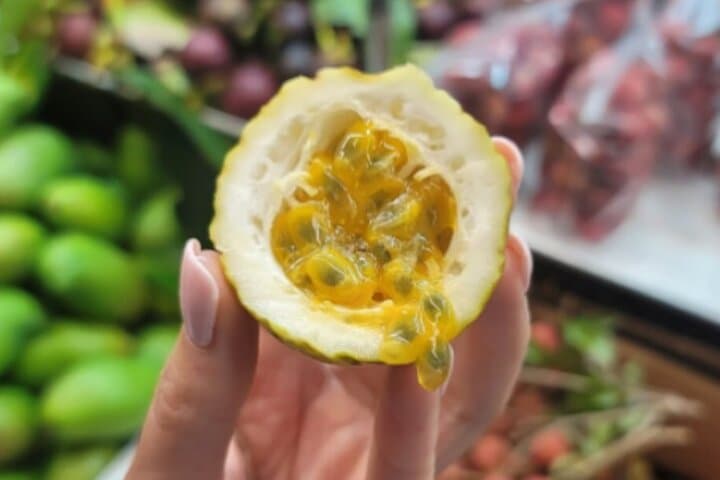

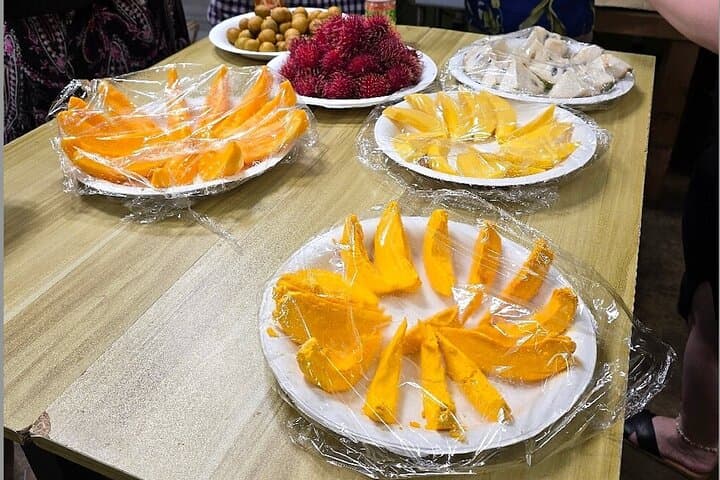
You step off the shaded sidewalk and into a street that smells of sweet pineapple, hot oil and soy; steam rises from a small stall while a vendor pulls a perfect manapua from the oven. The tour moves at a pedestrian pace — less than half a mile of walking — but each block feels like a new island of flavor: salty poke, tart lilikoi juices, and the caramelized edges of charsiu.
You step off the shaded sidewalk and into a street that smells of sweet pineapple, hot oil and soy; steam rises from a small stall while a vendor pulls a perfect manapua from the oven. The tour moves at a pedestrian pace — less than half a mile of walking — but each block feels like a new island of flavor: salty poke, tart lilikoi juices, and the caramelized edges of charsiu.
Chinatown Honolulu grew around 19th-century trade routes and plantation labor migration, and its markets still reflect that layered immigration history: Chinese roast shops, Filipino snacks, Japanese sashimi counters and Hawaiian poke traditions. Geologically, you’re on volcanic outwash and coastal plain where reef and harbor shaped the city’s ports; culturally, the streets were forged by trans-Pacific connections that brought ingredients and techniques here long before modern fusion became a label.
Expect hands-on moments at a fish market, tiny pastry shops, and a 125-year-old Japanese Shinto temple tucked beside an urban stream. Guides point out architectural details, tell vendor histories, and explain how seasonal catches and island-grown fruit shape what’s served that day.
Practical notes: the three-hour tour involves standing and short walks — comfortable shoes and a light pack matter. Bring allergy information and a credit card or small bills for extras. Pace yourself through 6–8 stops and 13–16 tastings; sip water between bites. Aim for morning departures when markets are freshest and the island heat is still forgiving. This is a culinary field trip that rewards curiosity: ask where ingredients come from, and you’ll leave with both a full belly and a clearer sense of Oahu’s living food story.