THE ADVENTURE COLLECTIVE® · Independent discovery and booking for outdoor travel

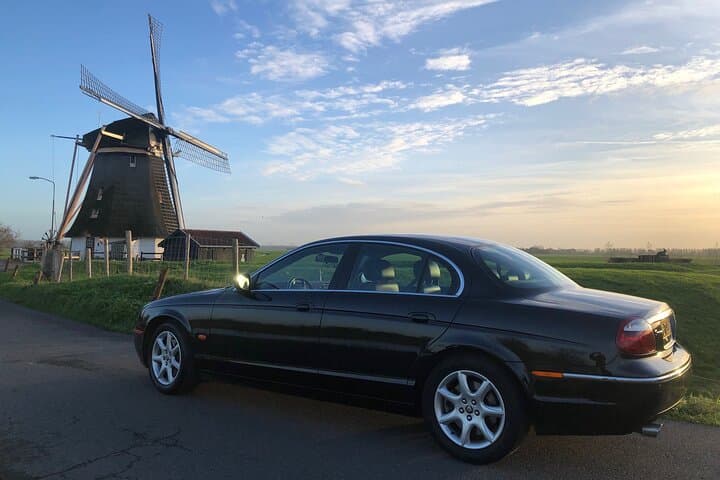
Swap the canal crowds for narrow country lanes on a private Jaguar drive into the Dutch polders. In four hours you'll visit hamlets, cheesefarms, dikes and WWII sites, tasting raw farm milk and seeing the working countryside up close.
Swap the canal crowds for narrow country lanes on a private Jaguar drive into the Dutch polders. In four hours you'll visit hamlets, cheesefarms, dikes and WWII sites, tasting raw farm milk and seeing the working countryside up close.
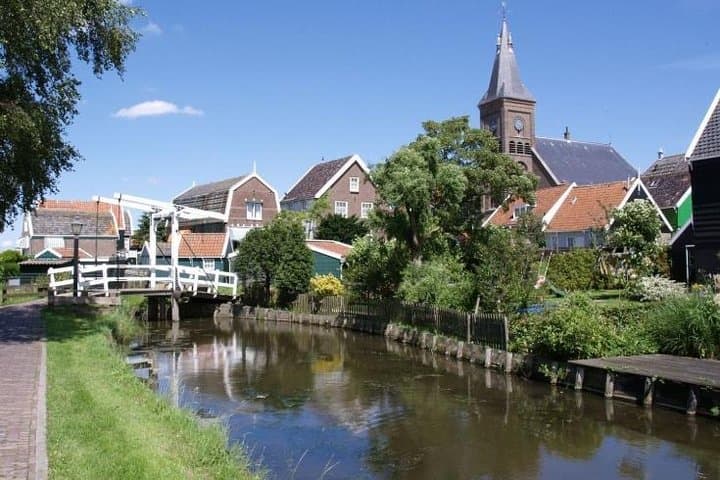
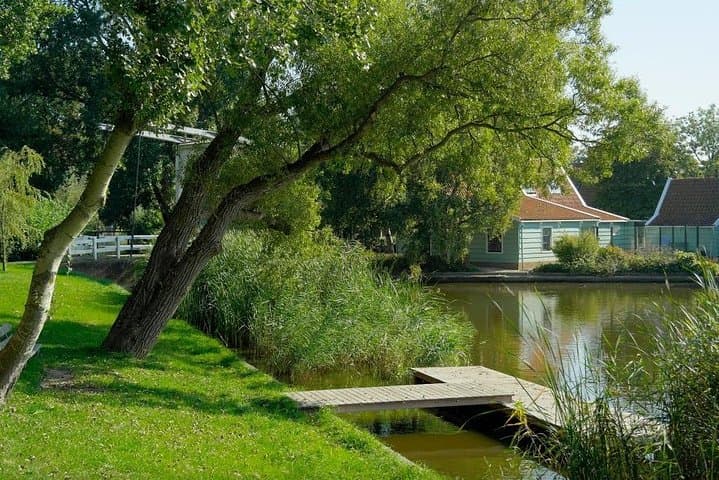
A low sun slips over the dike as a polished Jaguar pulls off a busy Amsterdam street and onto a narrow country lane. The car's leather seats give way to views of flat, open fields, stubbled polders, and a ribbon of water that dares you to follow it. Small hamlets appear—wooden houses, narrow bridges, and grazing cattle—each stop brief but revealing.
Verified experiences and guided adventures in the surrounding area.
Operated by Best Holland Tours · Amsterdam, Noord-Holland
A low sun slips over the dike as a polished Jaguar pulls off a busy Amsterdam street and onto a narrow country lane. The car's leather seats give way to views of flat, open fields, stubbled polders, and a ribbon of water that dares you to follow it. Small hamlets appear—wooden houses, narrow bridges, and grazing cattle—each stop brief but revealing.
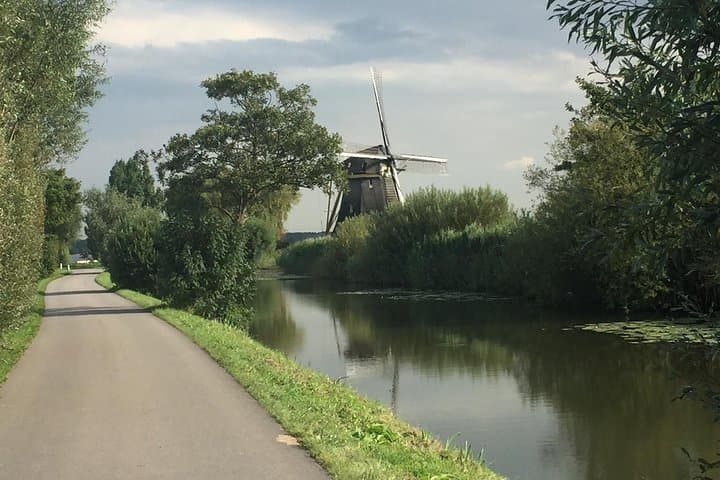
The route threads through landscapes shaped by centuries of land reclamation: dikes that hold back the sea, polder fields drained by windmills and modern pumps, and farm clusters that grew from medieval settlement patterns. World War II scars and small memorials dot some villages, reflecting the region's layered history. Cheese-making and clog production remain living crafts here—cheesefarms and a clogs factory often open to visitors.
This private four-hour drive emphasizes local contact: pull over for a farm pour of fresh, unpasteurized milk, sample syrup waffles, and watch a cheesemaker at work if timing allows. The itinerary is flexible—expect multiple short stops (10–60 minutes) for photos, markets, and viewpoints along dikes and waterways.
Practically, the tour is low-impact physically but high in sensory detail: bring weatherproof layers for unpredictable coastal breezes, good walking shoes for short village strolls, and a camera with extra battery for wide, low-angle light. Plan for a relaxed schedule—this is about noticing details rather than ticking landmarks off a list. Travelers should respect private farmland and ask before photographing people or animals; tipping local guides and producers supports small rural businesses.
easy.
4 hours.
Suitable for all fitness levels; mostly seated with short easy walks during stops
Most tours depart from central Amsterdam; exact pickup is arranged at booking and the private tour returns to the agreed drop-off point.
Yes—stops at a cheesefarm and clogs factory are available and typically take 30 minutes each if you choose to visit.
The milk offered is unpasteurized; while a local specialty, pregnant people, young children, or those with compromised immunity should avoid raw dairy products.
Yes, specialized infant seats are available—request them when booking to ensure the vehicle is prepared.
The reclaimed polders and dike systems are products of centuries of Dutch water management; many villages grew around peat-digging and dairy farming with WWII traces still visible in small memorials.
Visitors should stick to roads and marked paths to avoid trampling crops, support local producers by buying direct, and avoid single-use plastics to reduce impact.
Best Holland Tours operates guided outdoor trips and adventures with an emphasis on safety, stewardship, and memorable experiences.
A low sun slips over the dike as a polished Jaguar pulls off a busy Amsterdam street and onto a narrow country lane. The car's leather seats give way to views of flat, open fields, stubbled polders, and a ribbon of water that dares you to follow it. Small hamlets appear—wooden houses, narrow bridges, and grazing cattle—each stop brief but revealing.
A low sun slips over the dike as a polished Jaguar pulls off a busy Amsterdam street and onto a narrow country lane. The car's leather seats give way to views of flat, open fields, stubbled polders, and a ribbon of water that dares you to follow it. Small hamlets appear—wooden houses, narrow bridges, and grazing cattle—each stop brief but revealing.
The route threads through landscapes shaped by centuries of land reclamation: dikes that hold back the sea, polder fields drained by windmills and modern pumps, and farm clusters that grew from medieval settlement patterns. World War II scars and small memorials dot some villages, reflecting the region's layered history. Cheese-making and clog production remain living crafts here—cheesefarms and a clogs factory often open to visitors.
This private four-hour drive emphasizes local contact: pull over for a farm pour of fresh, unpasteurized milk, sample syrup waffles, and watch a cheesemaker at work if timing allows. The itinerary is flexible—expect multiple short stops (10–60 minutes) for photos, markets, and viewpoints along dikes and waterways.
Practically, the tour is low-impact physically but high in sensory detail: bring weatherproof layers for unpredictable coastal breezes, good walking shoes for short village strolls, and a camera with extra battery for wide, low-angle light. Plan for a relaxed schedule—this is about noticing details rather than ticking landmarks off a list. Travelers should respect private farmland and ask before photographing people or animals; tipping local guides and producers supports small rural businesses.