THE ADVENTURE COLLECTIVE® · Independent discovery and booking for outdoor travel

Cross the dramatic Abano Pass and spend four days in Tusheti’s high villages—stone towers, horseback trails and authentic supra feasts. This multi‑day expedition balances rugged driving, varied hikes and direct encounters with local mountain life.
Cross the dramatic Abano Pass and spend four days in Tusheti’s high villages—stone towers, horseback trails and authentic supra feasts. This multi‑day expedition balances rugged driving, varied hikes and direct encounters with local mountain life.
The tires bite into scree as the vehicle climbs toward Abano Pass; wind-cut ridgelines open and the road narrows to a ribbon of rock and memory. By the time you crest the pass, the Caucasus lays itself out—sheer valleys, stone towers punctuating ridgelines, and villages that seem to have stopped and stared back at time.
Verified experiences and guided adventures in the surrounding area.
Operated by Tusheti Travel · Omalo, Kakheti
The tires bite into scree as the vehicle climbs toward Abano Pass; wind-cut ridgelines open and the road narrows to a ribbon of rock and memory. By the time you crest the pass, the Caucasus lays itself out—sheer valleys, stone towers punctuating ridgelines, and villages that seem to have stopped and stared back at time.
Tusheti’s story is written in defensive towers and mountain pastures. Geologically it’s the northern flank of the Greater Caucasus: folding, uplift and glacial polish created steep gorges and high meadows. Culturally, Tusheti preserves age-old mountain clan life—stone watchtowers, communal supra feasts, and songs that mark seasonal migrations.
The itinerary threads through Omalo, Shenako and Diklo, with hikes to Diklo and Girevi fortresses and a stop at Bochorna (about 2,345 m). Trails vary from easy valley walks to steeper, rocky ridgelines; horseback sections follow ancient bridle paths. Expect close encounters with pastoral life, local culinary masterclasses (khinkali, kotori) and evenings in Park Hotel Omalo or village guesthouses.
Practical edge: pack for rapid weather swings—warm layers, solid boots and a waterproof shell. Roads are rough; travel requires a 4x4 and an experienced driver. Altitude is moderate but noticeable above 2,200 m—move deliberately your first day. Summer offers the most reliable access; spring and autumn bring muddy tracks and earlier snow at higher passes.
This trip is both landscape and living culture—fast climbs, thoughtful rest, and a steady pulse of local hospitality that makes the mountains feel inhabited rather than visited.
moderate.
4 days.
Suitable for people who can walk 3–6 hours on uneven terrain and tolerate multiple hours in a vehicle; comfortable on basic ascents.
Abano Pass reaches roughly 2,800–2,900 m; access is typically seasonal—best in late spring to early autumn—and can close with early or heavy snow.
No—local operators offer horses for varied abilities, but basic balance and stable footwear improve comfort on longer rides.
Nights are spent in small guesthouses and the Park Hotel Omalo—expect simple, clean rooms with regional character rather than luxury amenities.
Georgian is primary; Russian and some English are spoken in tourist contexts. The currency is the Georgian lari (GEL).
Tusheti’s stone towers and fortified villages date to medieval clan systems; towers served defensive and status purposes for centuries.
Alpine meadows and fragile soils in Tusheti recover slowly—stick to trails, avoid new campsites and follow local guidance on grazing areas.
Tusheti Travel operates guided outdoor trips and adventures with an emphasis on safety, stewardship, and memorable experiences.
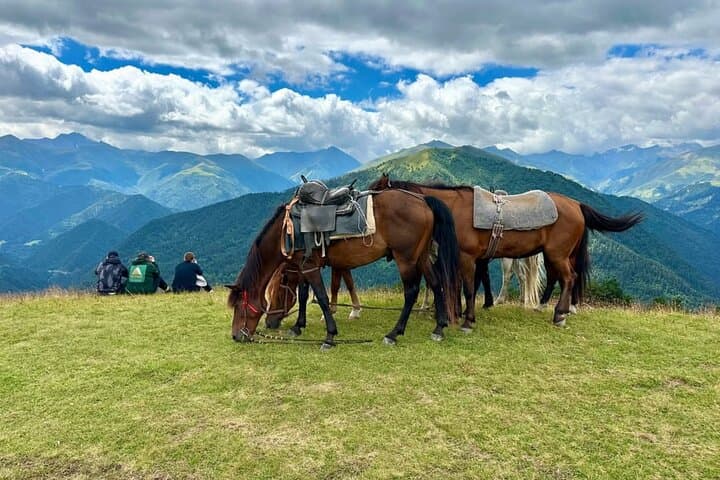
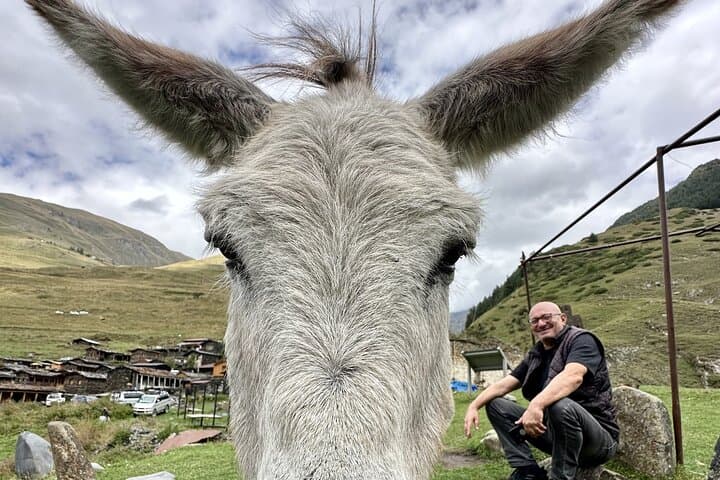
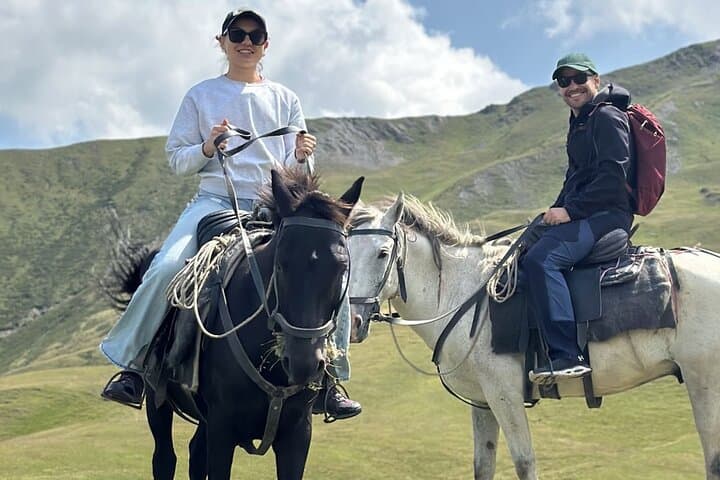
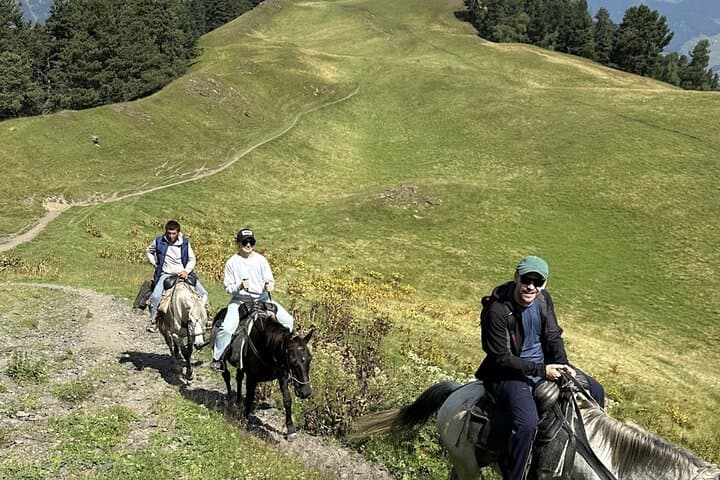
The tires bite into scree as the vehicle climbs toward Abano Pass; wind-cut ridgelines open and the road narrows to a ribbon of rock and memory. By the time you crest the pass, the Caucasus lays itself out—sheer valleys, stone towers punctuating ridgelines, and villages that seem to have stopped and stared back at time.
The tires bite into scree as the vehicle climbs toward Abano Pass; wind-cut ridgelines open and the road narrows to a ribbon of rock and memory. By the time you crest the pass, the Caucasus lays itself out—sheer valleys, stone towers punctuating ridgelines, and villages that seem to have stopped and stared back at time.
Tusheti’s story is written in defensive towers and mountain pastures. Geologically it’s the northern flank of the Greater Caucasus: folding, uplift and glacial polish created steep gorges and high meadows. Culturally, Tusheti preserves age-old mountain clan life—stone watchtowers, communal supra feasts, and songs that mark seasonal migrations.
The itinerary threads through Omalo, Shenako and Diklo, with hikes to Diklo and Girevi fortresses and a stop at Bochorna (about 2,345 m). Trails vary from easy valley walks to steeper, rocky ridgelines; horseback sections follow ancient bridle paths. Expect close encounters with pastoral life, local culinary masterclasses (khinkali, kotori) and evenings in Park Hotel Omalo or village guesthouses.
Practical edge: pack for rapid weather swings—warm layers, solid boots and a waterproof shell. Roads are rough; travel requires a 4x4 and an experienced driver. Altitude is moderate but noticeable above 2,200 m—move deliberately your first day. Summer offers the most reliable access; spring and autumn bring muddy tracks and earlier snow at higher passes.
This trip is both landscape and living culture—fast climbs, thoughtful rest, and a steady pulse of local hospitality that makes the mountains feel inhabited rather than visited.