THE ADVENTURE COLLECTIVE® · Independent discovery and booking for outdoor travel

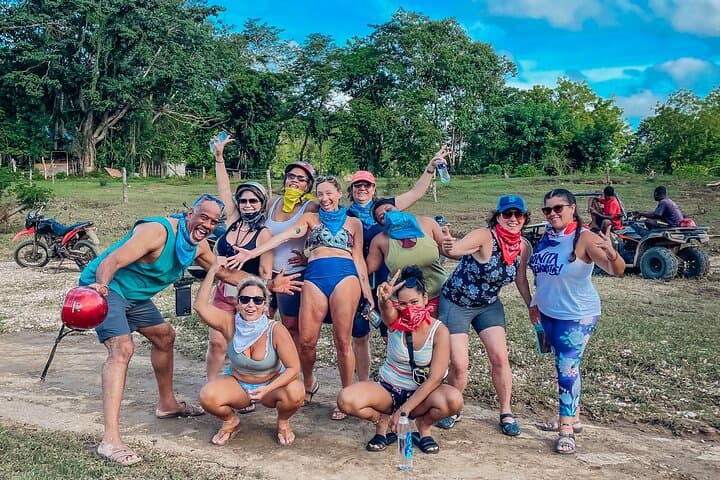
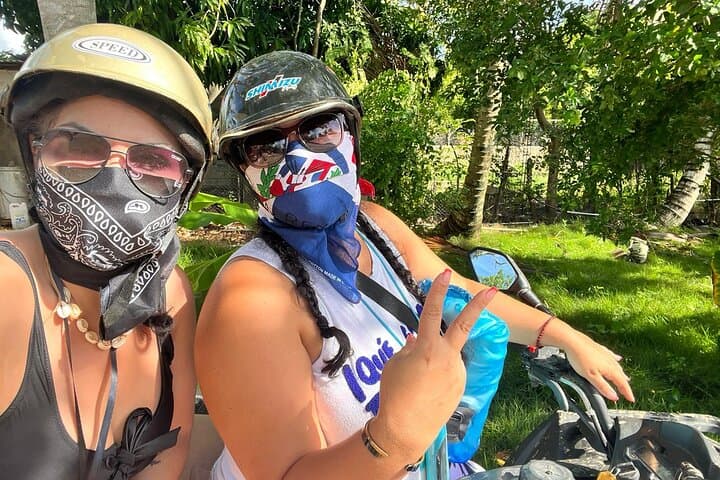
Cut through sugarcane and coastal scrub on a three-hour ATV tour led by local guides Daniele and Yohan. Expect instruction, safety gear, and a mix of packed dirt, soft sand and occasional mud—ideal for first-timers who want a real local ride.
Cut through sugarcane and coastal scrub on a three-hour ATV tour led by local guides Daniele and Yohan. Expect instruction, safety gear, and a mix of packed dirt, soft sand and occasional mud—ideal for first-timers who want a real local ride.
You kick gravel, the ATV growls, and the sugarcane leans in as if daring you to cut a new line through the field. Daniele and Yohan meet you with helmets and a quick grin—brief instruction, then you’re following narrow tracks that thread between cane rows, coastal scrub and shallow river crossings. The island’s low limestone ridges hover nearby; pockets of red Caribbean soil give way to white sand toward the beaches.
Verified experiences and guided adventures in the surrounding area.
Operated by Yinsa · Punta Cana, La Altagracia
You kick gravel, the ATV growls, and the sugarcane leans in as if daring you to cut a new line through the field. Daniele and Yohan meet you with helmets and a quick grin—brief instruction, then you’re following narrow tracks that thread between cane rows, coastal scrub and shallow river crossings. The island’s low limestone ridges hover nearby; pockets of red Caribbean soil give way to white sand toward the beaches.
Sugarcane shaped this coast: plantations and small bateyes (rural settlements) grew around mill routes and waterways after colonial-era expansion of the crop. Geologically, eastern Hispaniola is a mix of uplifted coral limestone and alluvial fans—an easy landscape for ATVs but one that hides wet clay and ruts after rain. Culturally, your guides are the point of connection: expect stops at a roadside fruit stand, a peek into local life, and stories about family ties to Samaná and La Romana.
Practical notes: rides last about three hours with options to extend; basic riding instruction and safety gear are provided, and private transport is included. Trails vary from packed dirt to soft sand and occasional mud; sandals won’t cut it. Bring sunscreen, closed-toe shoes, and a spare dry bag for your phone. Morning departures avoid heat and afternoon showers, while small groups get more tailored stops and photo chances.
This is an accessible, sensory off-road loop—fast enough for a thrill, controlled enough for first-timers, and local enough to leave you feeling you’ve seen a piece of the real Dominican Republic.
moderate.
3 hours.
Suitable for most fitness levels; you should be comfortable mounting, balancing, and steering a small ATV for several miles.
No formal driver’s license is typically required; the tour includes basic instruction and on-site training before you ride.
Yes—helmets, safety gear, and insurance coverage are included as part of the tour package.
Private transportation is listed as an inclusion, so pickup/transfer from Punta Cana hotels is normally provided—confirm your pickup point at booking.
Groups of five or larger receive a private experience by default; smaller groups may share the route with others depending on availability.
The eastern Dominican Republic expanded around sugarcane plantations and coastal trade routes; many ride paths follow old plantation tracks and local access roads.
Stay on designated trails to reduce erosion and avoid riding through mangroves or coastal dunes; support guides who prioritize local land access and waste-free stops.
Yinsa operates guided outdoor trips and adventures with an emphasis on safety, stewardship, and memorable experiences.


You kick gravel, the ATV growls, and the sugarcane leans in as if daring you to cut a new line through the field. Daniele and Yohan meet you with helmets and a quick grin—brief instruction, then you’re following narrow tracks that thread between cane rows, coastal scrub and shallow river crossings. The island’s low limestone ridges hover nearby; pockets of red Caribbean soil give way to white sand toward the beaches.
You kick gravel, the ATV growls, and the sugarcane leans in as if daring you to cut a new line through the field. Daniele and Yohan meet you with helmets and a quick grin—brief instruction, then you’re following narrow tracks that thread between cane rows, coastal scrub and shallow river crossings. The island’s low limestone ridges hover nearby; pockets of red Caribbean soil give way to white sand toward the beaches.
Sugarcane shaped this coast: plantations and small bateyes (rural settlements) grew around mill routes and waterways after colonial-era expansion of the crop. Geologically, eastern Hispaniola is a mix of uplifted coral limestone and alluvial fans—an easy landscape for ATVs but one that hides wet clay and ruts after rain. Culturally, your guides are the point of connection: expect stops at a roadside fruit stand, a peek into local life, and stories about family ties to Samaná and La Romana.
Practical notes: rides last about three hours with options to extend; basic riding instruction and safety gear are provided, and private transport is included. Trails vary from packed dirt to soft sand and occasional mud; sandals won’t cut it. Bring sunscreen, closed-toe shoes, and a spare dry bag for your phone. Morning departures avoid heat and afternoon showers, while small groups get more tailored stops and photo chances.
This is an accessible, sensory off-road loop—fast enough for a thrill, controlled enough for first-timers, and local enough to leave you feeling you’ve seen a piece of the real Dominican Republic.