THE ADVENTURE COLLECTIVE® · Independent discovery and booking for outdoor travel

Take a private 4WD through Mykonos’ wilder north coast to reach hidden beaches, a historic monastery and a working lighthouse. This adaptable off‑road tour pairs local insight with access to spots most visitors miss.
Take a private 4WD through Mykonos’ wilder north coast to reach hidden beaches, a historic monastery and a working lighthouse. This adaptable off‑road tour pairs local insight with access to spots most visitors miss.
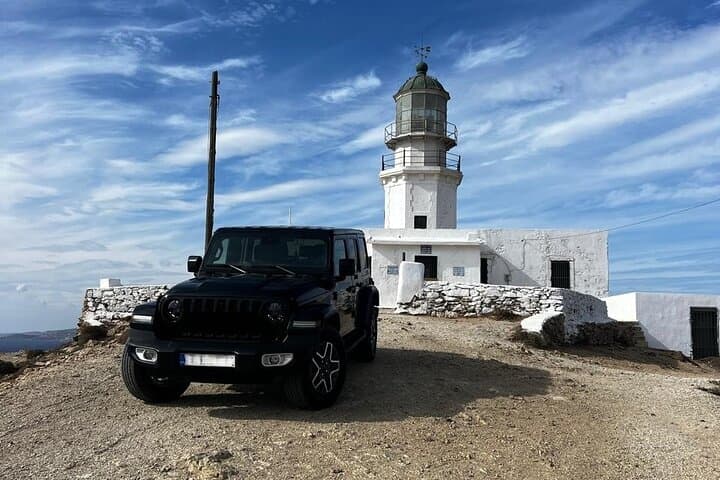
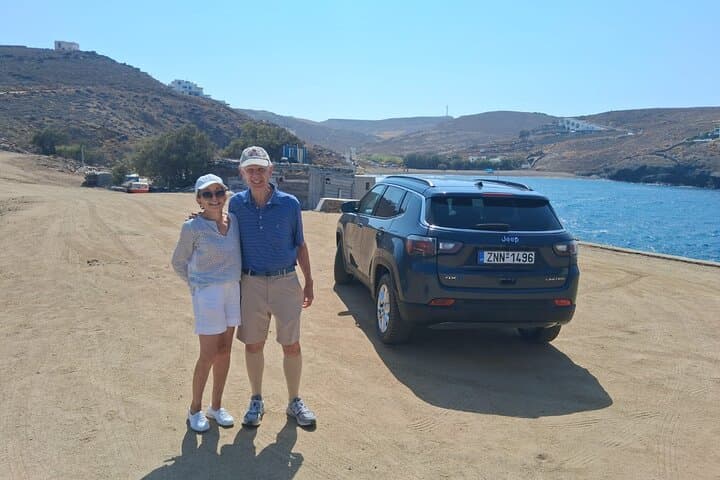
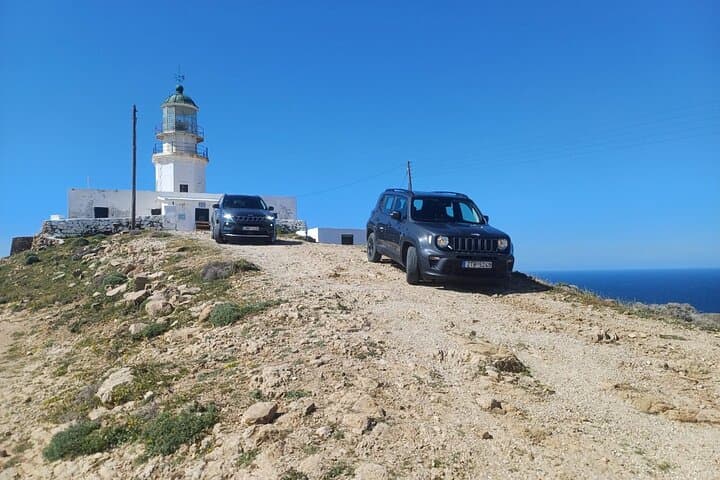
Dust from a dirt track lifts as the jeep drops into a north‑facing cove; wind teases the salt out of the Aegean and the island’s raw geometry—rock terraces, low scrub and whitewashed chapels—unfolds like a map. This private, off‑road day places travelers where paved roads end and the quieter face of Mykonos begins.
Verified experiences and guided adventures in the surrounding area.
Operated by Papadopoulos Mykonos Tours · Mykonos (Chora), South Aegean
Dust from a dirt track lifts as the jeep drops into a north‑facing cove; wind teases the salt out of the Aegean and the island’s raw geometry—rock terraces, low scrub and whitewashed chapels—unfolds like a map. This private, off‑road day places travelers where paved roads end and the quieter face of Mykonos begins.
The route threads together archaeological traces of Neolithic settlements, the 16th‑century Panagia Tourliani Monastery in Ano Mera, and isolated beaches such as Agios Sostis, Fokos and Agrari. Geologically the island is a spill of schist and limestone shaped by marine terraces and erosive winds; scrub oaks and phrygana cling to thin soils, giving way to sand and pebbles at bays where waves rework the shore.
Culturally, the tour balances local life—small taverna squares, fishing coves and a lighthouse that once guided wooden sloops—with modern tourism. A local driver‑guide can point out windmill constructions, old cisterns and the rhythms of island farming.
Practically: routes are flexible and last roughly 3–5 hours; expect short walks to viewpoints and beach stops but minimal sustained hiking. Bring layered sun protection, enough water, and shoes that handle sand and rocky paths. The jeep handles rough tracks, but uneven terrain and wind are constant companions—plan for sun, spray and quickly changing temperatures.
Best visited in calm weather to access north coves. Pack light, charge your camera and give the island room: leave no trace on beaches and respect small village life when stopping for food or photos.
easy.
3–5 hours.
Minimal fitness required—short walks only; suitable for most travelers.
Yes—infant seats are available and the activity is classified as physically easy; indicate ages at booking.
Yes—the private itinerary is flexible; communicate preferences to the guide and allow extra time for longer beach stays.
The entrance fee for Panagia Tourliani is provided, and bottled water is complimentary on the tour.
The operator’s cancellation policy allows refund if you cancel more than 24 hours ahead; the tour typically runs unless conditions make off‑road driving unsafe.
Panagia Tourliani Monastery dates to the 16th century and sits in Ano Mera; traces of Neolithic settlement and classical ruins dot the island’s quieter sectors.
Stick to marked tracks and avoid trampling fragile phrygana and dune vegetation; take all waste with you to protect nesting birds and marine habitats.
Papadopoulos Mykonos Tours operates guided outdoor trips and adventures with an emphasis on safety, stewardship, and memorable experiences.

Dust from a dirt track lifts as the jeep drops into a north‑facing cove; wind teases the salt out of the Aegean and the island’s raw geometry—rock terraces, low scrub and whitewashed chapels—unfolds like a map. This private, off‑road day places travelers where paved roads end and the quieter face of Mykonos begins.
Dust from a dirt track lifts as the jeep drops into a north‑facing cove; wind teases the salt out of the Aegean and the island’s raw geometry—rock terraces, low scrub and whitewashed chapels—unfolds like a map. This private, off‑road day places travelers where paved roads end and the quieter face of Mykonos begins.
The route threads together archaeological traces of Neolithic settlements, the 16th‑century Panagia Tourliani Monastery in Ano Mera, and isolated beaches such as Agios Sostis, Fokos and Agrari. Geologically the island is a spill of schist and limestone shaped by marine terraces and erosive winds; scrub oaks and phrygana cling to thin soils, giving way to sand and pebbles at bays where waves rework the shore.
Culturally, the tour balances local life—small taverna squares, fishing coves and a lighthouse that once guided wooden sloops—with modern tourism. A local driver‑guide can point out windmill constructions, old cisterns and the rhythms of island farming.
Practically: routes are flexible and last roughly 3–5 hours; expect short walks to viewpoints and beach stops but minimal sustained hiking. Bring layered sun protection, enough water, and shoes that handle sand and rocky paths. The jeep handles rough tracks, but uneven terrain and wind are constant companions—plan for sun, spray and quickly changing temperatures.
Best visited in calm weather to access north coves. Pack light, charge your camera and give the island room: leave no trace on beaches and respect small village life when stopping for food or photos.